
Public Adjuster In Brooklyn, NY
There’s no shortage of insurance adjusters who’ll show up after a loss in Brooklyn, take some photos, write a number on a form, and move on to the next claim. What’s missing from that process is someone whose job is actually to represent you.
That’s the difference. The adjuster your insurance company sends works for the insurance company. Every decision they make about what to document, what to price, and what to include in the estimate runs through that lens. Direct Public Adjusters works the other side of that equation—we represent Brooklyn property owners exclusively, and we don’t get paid unless we recover more than what the insurer put on the table.
Free inspection, no upfront cost, available around the clock. If you’ve got a damage claim in Brooklyn that hasn’t been resolved to your satisfaction—or one you’re just starting—call us before the insurer’s adjuster sets the scope.
Call Us Anytime For A FREE Claim Assessment
- (917) 246-2211
- 100-15 Queens Blvd Suite 1A, Queens, NY 11375
- We're Available 24/7!
Schedule an Appointment
Contact us for a FREE Claim Assessment
Why Brooklyn Property Owners Face Unique Claim Challenges
Brooklyn isn’t a suburb. The way properties are built here—attached, dense, layered, old—creates insurance claim complications that don’t exist in most other markets, and that most insurance adjusters from outside New York aren’t equipped to deal with honestly.
Take brownstones. When fire breaks out in one unit of an attached row house, it doesn’t respect property lines. It moves through shared walls, shared joists, shared plumbing chases. The structural damage routinely extends well beyond what’s visible, and an adjuster working quickly—which they always are after a major loss event—will document what’s in front of them and write an estimate around that. Everything they didn’t look for doesn’t make it into the claim.
Co-op and condo situations add another layer entirely. A pipe bursts inside a wall—now you’ve got a question about whether that’s the building’s problem or yours, and the answer depends on policy language and building documents that most unit owners have never read carefully. Building management has its own interests in how that gets resolved. Nobody in that room is working on your behalf unless you put someone there.
Then there’s the age issue. Brooklyn’s housing stock skews old. Aging plumbing, dated electrical, roofs that have been through a lot of winters. Insurers know this and they use it—the moment you file a claim, their adjuster starts looking for ways to call the damage pre-existing. Fighting that argument requires documentation that connects the damage to the specific event, not to the age of the building. That connection doesn’t build itself.
Neighborhoods like Williamsburg, Bushwick, and Greenpoint have seen significant commercial development alongside dense residential. A water event or fire in a mixed-use building can hit residential units, commercial tenants, and shared building systems simultaneously—each with its own coverage question. These aren’t edge cases in Brooklyn. They’re Tuesday.
Claims We Handle In Brooklyn
Water Damage
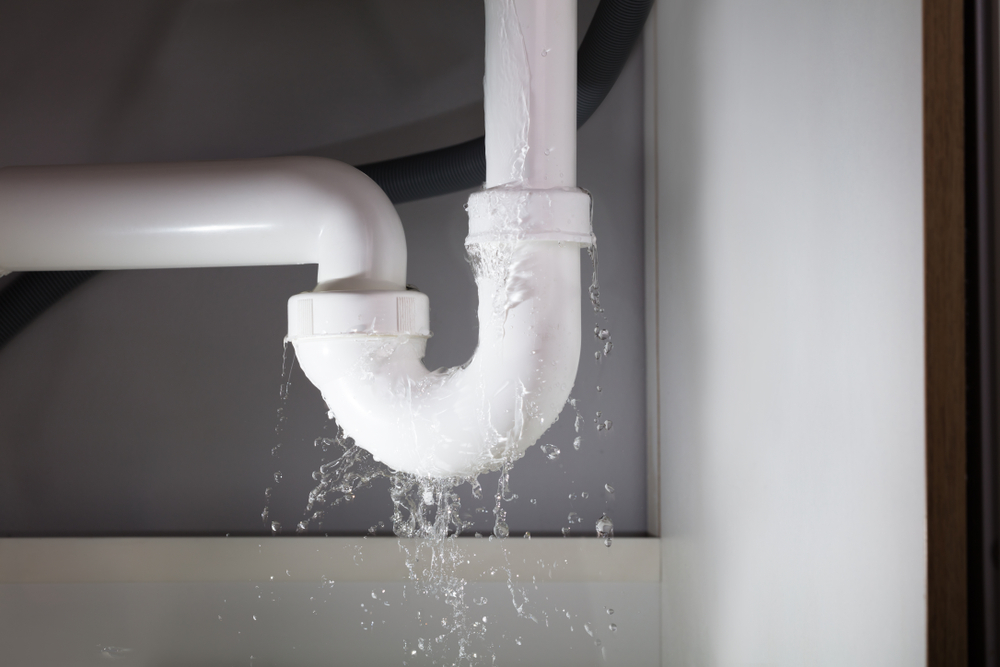
The most common claim we see across Brooklyn, and the one most consistently underpaid. Burst pipes in winter, roof leaks from storm damage, appliance failures, sewage backup, flooding from a neighbor’s unit—water moves fast through dense buildings and insurers document slowly. We go in before cleanup starts, document what’s actually there, and build a claim that reflects the full scope of the loss including what’s behind the walls.
Fire And Smoke Damage
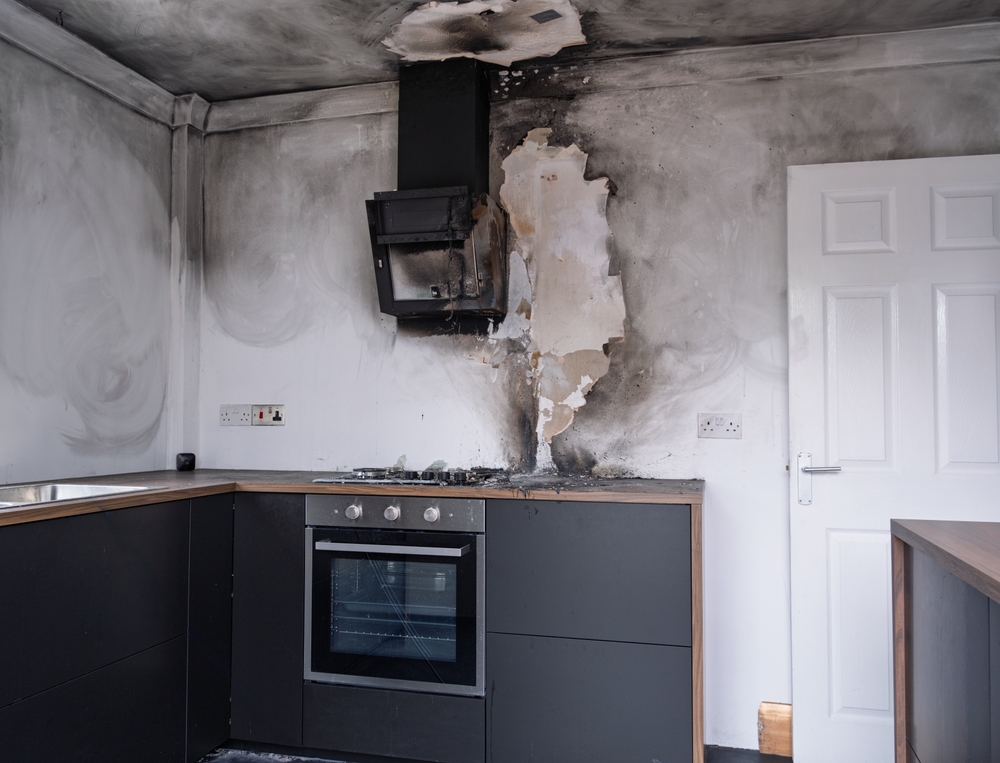
Smoke travels further than fire. In an attached row house or a building with shared HVAC, smoke damage spreads into units and spaces that weren’t anywhere near the flames—and those losses are covered, whether the insurer volunteers that information or not. We make sure the full reach of smoke damage gets into the claim.
Storm And Wind Damage
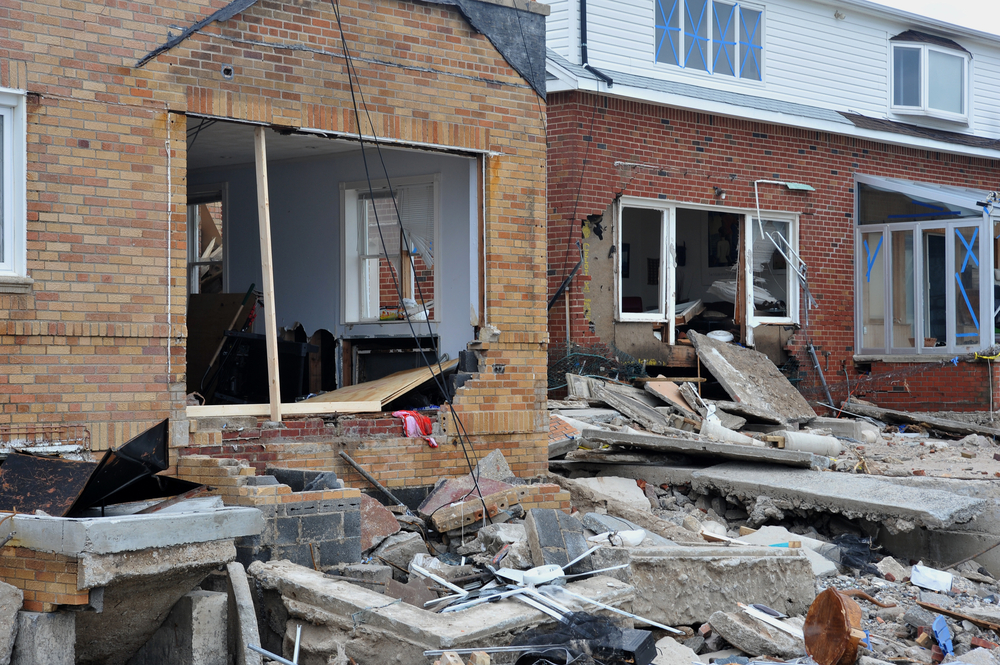
Roof damage and facade damage are the most common storm claims in Brooklyn, and wear-and-tear denials are the most common insurer response. We counter them with weather data, contractor assessments, and documentation that ties the specific damage to the specific storm—not to the general age of the building.

Business Interruption
For commercial property owners in Brooklyn—restaurants on Vanderbilt Avenue, retail on Court Street, offices throughout Downtown Brooklyn—a fire or water event that closes or limits operations creates income losses that belong in the claim alongside the physical damage. We build both simultaneously.
Accidental Damage
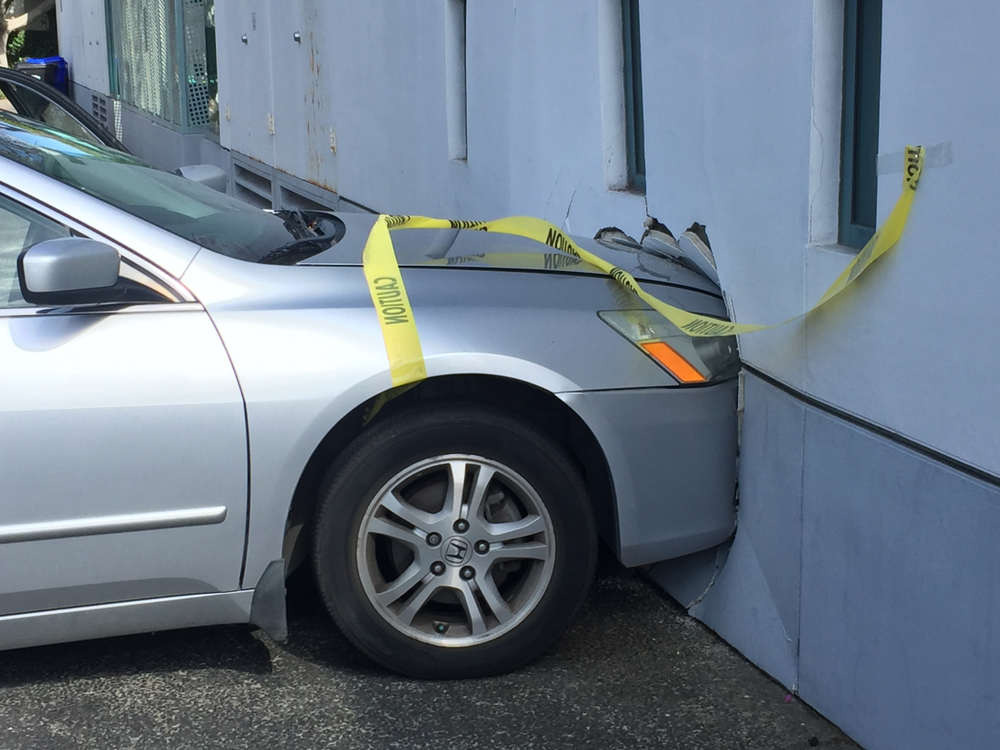
Vehicle-into-building claims in Brooklyn’s dense streetscape happen regularly. The structural damage is almost always more significant than it looks, and documenting it properly requires a licensed structural engineer—not just a visual inspection. We coordinate that process and make sure the full scope gets into the settlement.
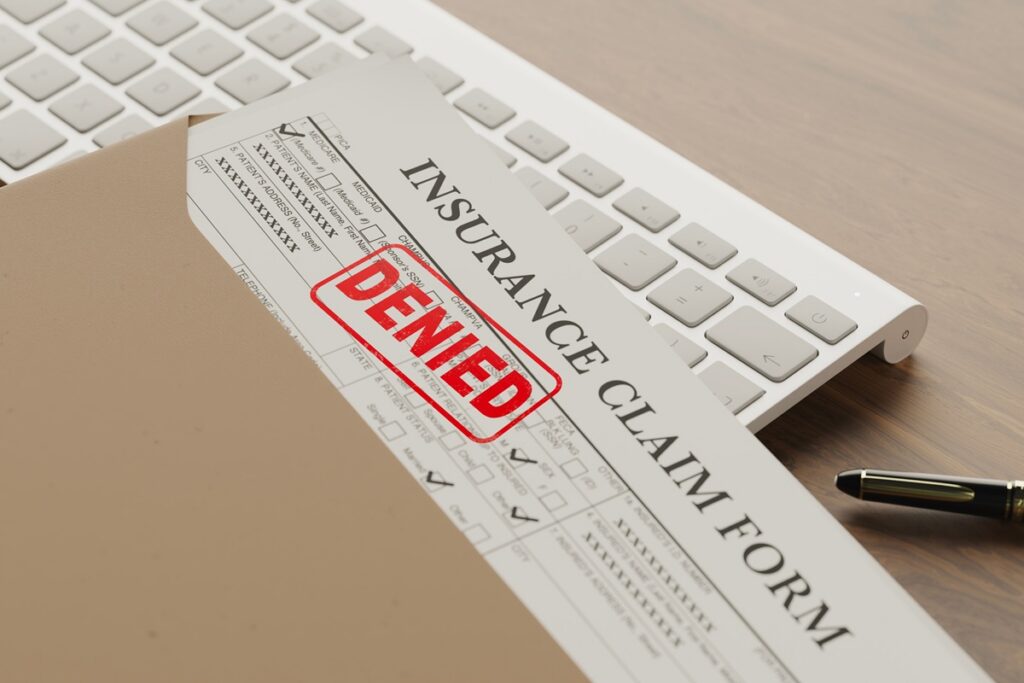
Underpaid And Denied Claims
If your claim settled for less than your repairs cost, or got denied on grounds that don’t hold up—bring it to us. We review Brooklyn claims at no cost and we find grounds to challenge a meaningful percentage of the denials we see.
Residential And Commercial Properties We Serve In Brooklyn
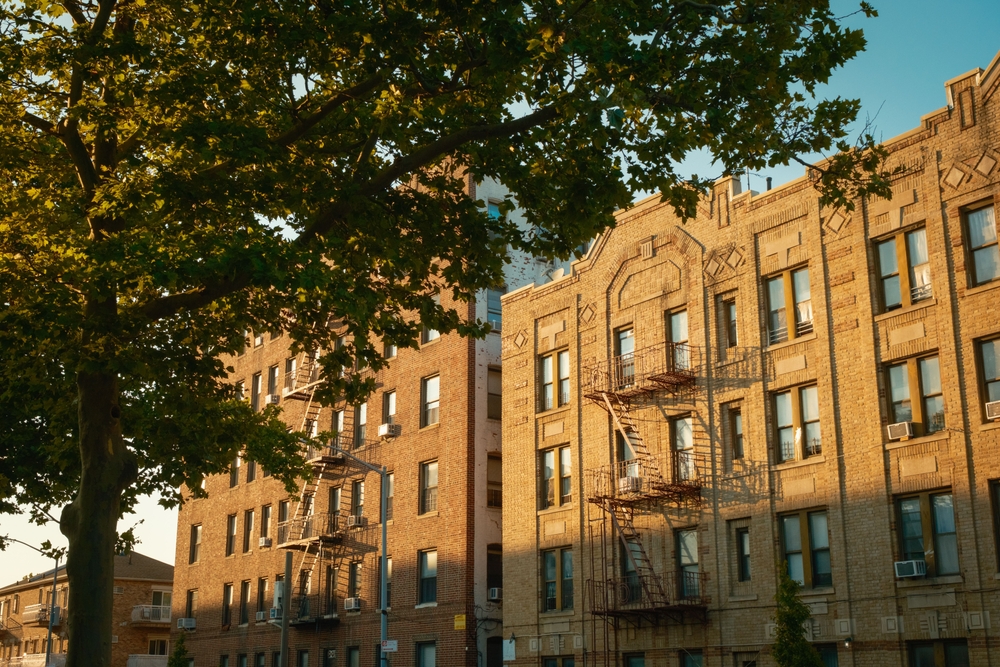
Brownstones and row houses in Park Slope, Cobble Hill, Carroll Gardens, Fort Greene, and Bed-Stuy. Co-ops and condos in Brooklyn Heights, Downtown Brooklyn, Williamsburg, and DUMBO. Multi-family buildings across Flatbush, Crown Heights, East New York, and Sunset Park. Single-family homes in Bay Ridge, Dyker Heights, Bensonhurst, Marine Park, and Canarsie.
On the commercial side—retail storefronts, restaurants, warehouses, office buildings, and mixed-use properties across every commercial corridor in the borough. Landlord claims where tenant units took the damage. Properties where a single loss event triggered both a property damage claim and a business interruption claim at the same time.
If you own it, lease it, or manage it in Brooklyn—we handle the claim.
How The Claims Process Works With Direct Public Adjusters
We start with a free inspection. No cost, no commitment. If we take the case, we do our own independent damage assessment—separate from whatever the insurer’s adjuster did or is planning to do. We build the claim documentation ourselves, submit it, and handle all negotiations directly with the insurer.
Our fee is a percentage of what we recover above what you’ve already been offered. Nothing upfront. If we don’t get you more, we don’t get paid. That structure keeps our interests exactly where they should be.
For claim-specific information visit our pages on water damage claims, fire damage claims, storm damage claims, business interruption claims, and underpaid claims.
Frequently Asked Questions—Public Adjuster Brooklyn
How Do I Know If I Actually Need A Public Adjuster For My Brooklyn Claim?
If the settlement offer you received doesn't cover what your contractor says the repairs will cost—you need one. If your claim was denied and you're not sure the denial is legitimate—you need one. If the damage involved hidden structural elements, shared building systems, or multiple coverage layers like a co-op or condo situation—you probably needed one from day one. The free inspection costs nothing, so the risk of finding out is zero.
What's The Difference Between The Insurance Company's Adjuster And A Public Adjuster?
The insurer's adjuster is employed by or contracted to the insurance company. Their job is to evaluate the claim within parameters that work for the insurer. A public adjuster is licensed independently and works solely for the policyholder. They build their own assessment of the damage, prepare their own claim documentation, and negotiate on your behalf. Same process, opposite interests.
My Brooklyn Brownstone Shares A Wall With My Neighbor. Does Damage To Their Side Affect My Claim?
It can, in both directions. If damage originated in their unit and spread to yours—through a shared wall, shared plumbing, or shared structural element—your policy responds to your losses regardless of where the damage started. If you're in a co-op or condo, the building's master policy may also be involved depending on what was damaged. These situations need to be untangled carefully before any claim gets filed, because how it gets filed affects what gets paid.
Can I Dispute A Brooklyn Insurance Settlement I Already Accepted?
It depends on what you signed. A signed release typically closes a claim. If you accepted a payment without signing a final release or waiver of further claims, options may still exist. And if the insurer misrepresented the claim or acted in bad faith, there may be additional grounds. The situation is fact-specific—bring it to us for a free review before assuming the door is shut.
How Long Does A Public Adjuster Take To Settle A Claim In Brooklyn?
Straightforward claims can move in weeks. Claims involving structural damage, disputes over scope, or appraisal proceedings take longer—sometimes months. What consistently shortens the process is thorough documentation from the start. When the claim package is built properly the first time, there's less back-and-forth with the insurer and fewer opportunities for them to delay on missing information.
Does Direct Public Adjusters Handle Claims In All Brooklyn Neighborhoods?
Yes—from Greenpoint down to Coney Island, from DUMBO across to Canarsie. We work across the entire borough for both residential and commercial property owners.
What If My Brooklyn Claim Was Already Closed But I Think I Was Underpaid?
Bring it to us. In New York the statute of limitations on an insurance claim runs from the date of loss, not the date of settlement. Depending on when the loss occurred and what was signed at closing, there may still be runway to pursue additional recovery. We review closed claims at no cost—if there's nothing to work with, we'll tell you that too.
Have a property damage claim in Brooklyn that wasn't handled fairly? Contact Direct Public Adjusters for a free review—no upfront cost, no obligation, and no fee unless we recover more than what you've already been offered.
Why Direct Public Adjusters
We know Brooklyn. The housing types, the insurers active in this market, the arguments those insurers make when they’re trying to minimize a payout, and how to counter them with documentation that holds up. That local knowledge isn’t incidental—it’s the difference between a claim that gets settled properly and one that doesn’t.
Licensed in New York, New Jersey, Connecticut, and Pennsylvania. Contingency fee only—no upfront cost, no payment unless we recover more. Available 24/7 because damage doesn’t wait for business hours.