
We come to you to assess the damage and apply our recovery claims method.
What Is an Underpaid Claim and How Do I Know If My Claim Has Been Underpaid?
An underpaid insurance claim is when your insurance company doesn’t pay out the full amount of your claim. Your provider pays you less than what they owe you as per your contract. There are many different types of insurance claims, but all of them have one thing in common: they are paid based on what the insurance company thinks your case is worth.
More often than not, insurance companies would refuse to settle your property claims properly simply because they aren’t profiting off of it. But what this means is that you end up paying more in premiums without getting the promised benefits.
If you feel like your property claim has been underpaid and want to know whether or not that’s the case, it is important that you look at the details of your policy and see if you missed anything. Then, review the inspection process. Did it seem rushed? Did the evaluation expert skip over a few damages and file incomplete documents? Do you think you are owed more just by looking at the extent of the property damage that’s occurred? Ask yourself these basic coverage questions before talking to your insurance provider.
How Can I Ensure Maximum Compensation for My Underpaid Claim?
Underpaid insurance claims are a common problem for many property owners. If your claim has been underpaid, it could be because of something simple like poorly submitted papers or because your insurer decided that your insurance claim was justified.
The first thing you should do is contact your insurance company and see if they are willing to negotiate with you about the amount of compensation you are owed. Coverage disputes are an everyday affair for insurance providers. So, don’t hesitate to ask for your rights.
Hire an independent contractor to evaluate your property damage. Getting an assessment from a neutral party can be a great way to build a stronger case before you refile your claim. Also, consider partnering with an attorney or public insurance adjuster, who specializes in property coverage disputes. They can help you understand your rights, determine how much you are owed, and inform you who should be held responsible for paying those amounts.


How Can a Public Adjuster Help Me With My Undperpaid Claim?
The best way to get what you deserve is by getting professional help right from the start. Public adjusters or insurance brokers can help you identify the gaps in your claims process and fill them before they become a hindrance during the settlement.
An underpaid claim is a claim that was not paid in full. If you believe your property claim has been underpaid, you can contact mediation professionals like Direct Public Adjusters to get immediate help with your underpaid or denied claims. We will ensure that your claim is thoroughly reviewed by experts with high credibility and submitted within the statutory time limit.
Remember that each state has a different law governing property claims. You should consider working with a local public adjuster to leverage their localized experience. Direct Public Adjusters has been helping people like you get the compensation they deserve for years now. We know what it takes to get your claim paid out and will work with you every step of the way to ensure that happens.
Our team of experts can help with everything from filing the claim paperwork all the way through negotiations with insurance companies to make sure that your case gets as much attention as possible. Else, we don’t get paid.
Just A Few Common Claims We Can
Submit & Manage For You
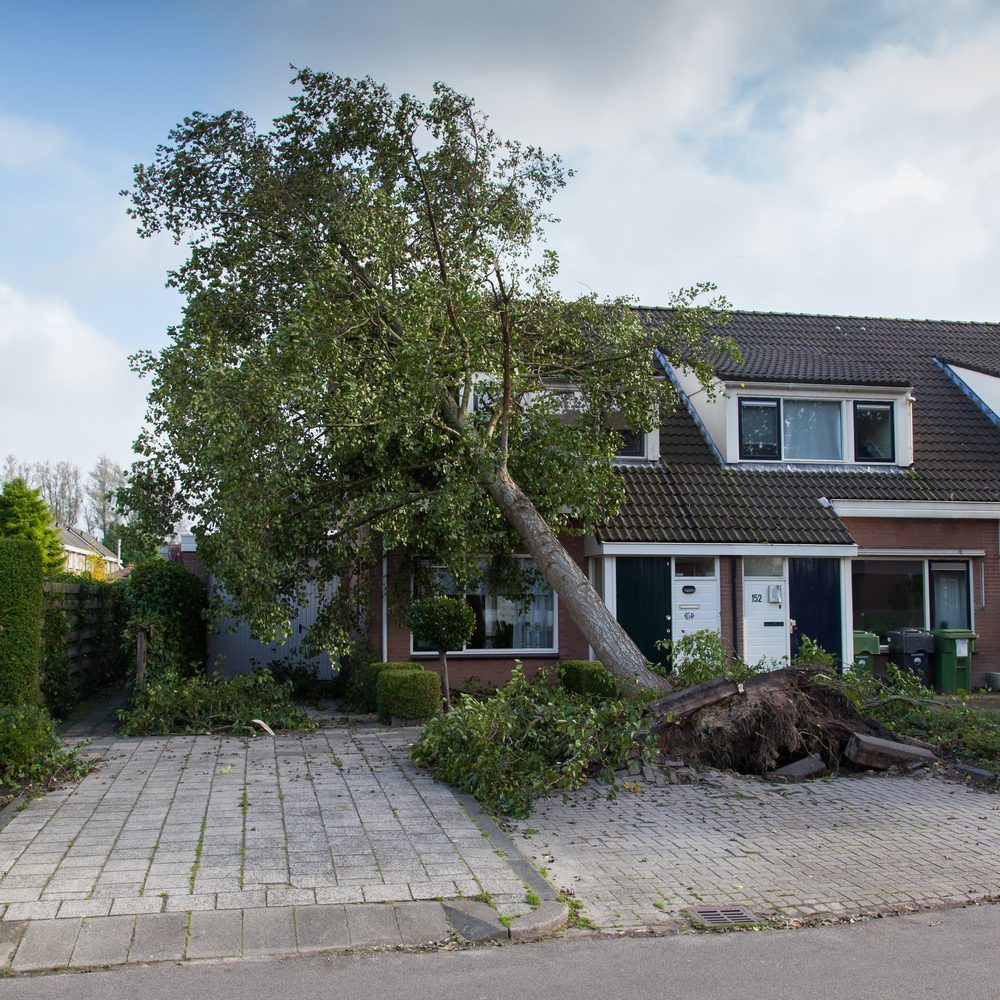
Water • Fire • Mold • Windstorm • Downed Trees • Lighting • Hail

Frequently Asked Questions: Underpaid and Denied Insurance Claims
How do I know if my insurance claim was underpaid?
The most reliable signal is a settlement offer that doesn't come close to covering your actual repair or replacement costs. More specifically, look for settlements that don't account for hidden damage, offers that depreciate everything aggressively even on replacement cost policies, line items that are simply missing from the insurer's estimate, or a scope of work that doesn't match what your contractor says is needed. Insurance company adjusters work from standardized pricing software that frequently underestimates real-world labor and material costs in the New York market specifically.
Can I dispute a claim settlement after I've already accepted it?
In some cases, yes—but it becomes significantly harder once a settlement is signed and released. A signed release typically closes the claim. If you accepted a payment but did not sign a final release or a proof of loss waiving further claims, you may still have options. If fraud, misrepresentation, or bad faith on the insurer's part can be demonstrated, there may be additional grounds. The situation is fact-specific and time-sensitive. If you think you accepted less than you were owed, get a review done before assuming the door is permanently closed.
What is the insurance appraisal clause and how does it help me?
Most property insurance policies include an appraisal clause—a built-in dispute resolution mechanism that doesn't require litigation. When you and your insurer can't agree on the amount of loss, either party can invoke appraisal. Each side selects an independent appraiser, and those two appraisers select a neutral umpire. The panel evaluates the damage and issues a binding award. It's faster and less expensive than going to court, and it can result in significantly higher settlements than what the insurer originally offered. Invoking appraisal is a right most policyholders don't know they have.
My claim was denied. Does that mean I have no options?
A denial is the beginning of a process, not the end of one. Insurance companies deny claims for a range of reasons—some legitimate, some not. The denial letter itself is important: it should state the specific policy provision being cited as the basis for denial. That language is what gets examined. If the exclusion cited doesn't accurately apply to your situation, or if the investigation leading to the denial was inadequate, the denial can be formally disputed. We review denial letters regularly and in a significant number of cases find grounds to challenge them.
How long do I have to dispute an underpaid or denied claim in New York?
New York insurance law generally allows two years from the date of loss to bring a legal action against an insurer. However, your policy may contain a shorter contractual deadline—sometimes as little as one year—and courts have upheld these shorter windows in many cases. The clock is also affected by when you receive a written denial, not just when the original loss occurred. Waiting to see if the insurer comes around is a strategy that frequently backfires. If a claim has been denied or you believe you were underpaid, get a review done promptly.
What's the difference between an underpaid claim and a bad faith insurance claim?
An underpaid claim means the insurer calculated your loss too low, applied incorrect depreciation, missed scope items, or otherwise paid less than your policy entitles you to—that's a coverage dispute. Bad faith is a legal concept that goes further: it means the insurer unreasonably denied or delayed a claim, failed to conduct a proper investigation, or applied exclusions it knew didn't legitimately apply. Not every underpayment is bad faith, but bad faith almost always involves underpayment. A public adjuster handles the underlying coverage dispute; an attorney handles bad faith claims—and both can work simultaneously.
Can a public adjuster reopen an old claim that was already closed?
Sometimes. Whether a closed claim can be reopened depends on what was signed at closing, how long ago the loss occurred, and whether there's new or previously undisclosed damage that wasn't included in the original scope. In New York, the two-year statute of limitations runs from the date of loss, not the date of settlement, which gives some policyholders more runway than they realize. If the original inspection was inadequate and the adjuster missed significant damage, that's a basis for re-engagement. We've reopened claims that had been sitting closed for months and recovered meaningful additional settlements.
If your claim was denied, settled for less than your losses, or closed before all the damage was properly accounted for—Direct Public Adjusters will review it at no cost to you. We serve all five NYC boroughs, New Jersey, Connecticut, and Pennsylvania. There is no fee unless we recover more for you.