
Most business owners buy business interruption insurance and never think about it again. It sits in the policy alongside the property coverage, the liability section, the equipment breakdown endorsement—another line item, another premium, another thing the broker explained once and the owner promptly forgot about.
Then a fire shuts down the restaurant for four months. A burst pipe floods the retail space two weeks before the holiday season. A storm tears the roof off the warehouse and operations grind to a halt. Suddenly that coverage matters enormously—and the business owner is trying to understand how it works for the first time, in the middle of a crisis, while also managing the physical damage, the staff, the vendors, and every other fire the loss created.
Business interruption claims are among the most complex in commercial insurance. They’re also among the most commonly underpaid. Here’s what the coverage actually does, how the claims process works, and where things typically go wrong.
What Business Interruption Coverage Actually Does
The core function of business interruption insurance is straightforward: it replaces income your business would have earned if the covered loss hadn’t occurred. But that simple description covers a lot of ground, and the details matter.
Most BI policies cover three things. Lost net income—the profit you would have generated during the interruption period, calculated against your historical financials. Continuing fixed expenses—rent, utilities, loan payments, salaries for key employees you can’t afford to lose even while the doors are closed. And sometimes extra expenses—the additional costs of operating from a temporary location, renting equipment, or doing whatever it takes to stay partially functional while the primary location is being repaired.
What BI coverage does not do is pay for losses that aren’t connected to a covered physical damage event. The trigger is always the physical loss itself. No physical damage, no BI coverage—at least under standard policy language. That trigger requirement is where many claims run into their first dispute, and we’ll come back to it.

The Period Of Restoration: Why The Clock Matters
Every business interruption policy defines a period of restoration—the window during which the coverage applies. It starts on the date of the physical loss and ends when the property is restored to the condition it was in before the loss occurred, or when it reasonably should have been restored if repairs had proceeded without unnecessary delay.
That last clause is important. Insurers will sometimes argue that the period of restoration ended earlier than it actually did—that repairs should have been completed faster, that the business should have reopened sooner, that the extended closure was the owner’s problem rather than a consequence of the covered loss. Contractor backlogs, permitting delays, and supply chain issues are all real factors in New York City that extend repair timelines legitimately. Documenting why repairs took as long as they did is part of protecting the full BI claim.
Some policies also include an extended period of indemnity—coverage that continues beyond the restoration date to account for the time it takes a business to rebuild its customer base and revenue after reopening. A restaurant that was closed for six months doesn’t walk back into its previous revenue level on day one. That ramp-up period is a real and compensable loss under many policies, and it’s one of the most consistently overlooked pieces of a BI claim.
How Lost Income Gets Calculated—And Why The Insurer’s Number Is Usually Low
The insurer calculates your BI loss by looking at your historical financial records—typically the twelve months prior to the loss—and projecting what you would have earned during the interruption period if the loss hadn’t occurred. That sounds reasonable in theory. In practice, it rarely produces an accurate number without a fight.
Seasonal businesses get hurt when the calculation doesn’t account for the fact that the interruption happened during their peak season. Growing businesses get hurt when the prior twelve months don’t reflect the trajectory the business was on. Businesses with contractual commitments—catering contracts, wholesale agreements, event bookings—get hurt when those specific revenue streams aren’t factored in separately.
The insurer’s forensic accountant builds a conservative model. Your job—with the right support—is to build an accurate one. That means pulling every relevant financial record: tax returns, profit and loss statements, bank statements, point-of-sale data, contracts, booking confirmations, vendor agreements. The more documentation you have to support your projection, the harder it is for the insurer to justify a lowball calculation.
The Physical Loss Trigger: Where Claims Get Denied
To access business interruption coverage, there must be a direct physical loss to the insured property. This requirement has generated more litigation in commercial insurance than almost any other coverage question in recent history.
Insurers interpret “direct physical loss” narrowly—arguing that without structural damage to the building, there’s no covered loss and therefore no BI coverage. Courts across the country have ruled both ways on this, and the outcome depends heavily on the specific policy language and the jurisdiction where the claim is being made.
In situations where a property sustained genuine physical damage—fire, flood, storm—the trigger is usually not the issue. The dispute is about how much the BI coverage pays, not whether it applies. But in cases where the physical damage argument is more nuanced, having someone review the policy language carefully before accepting a denial is essential. A denial letter citing lack of physical loss is not always the last word.
Civil Authority Coverage: The Provision Most Business Owners Don’t Know About
Buried in many commercial property policies is a civil authority provision. It covers business income losses that result from a government authority restricting access to the insured property—not because of damage to the property itself, but because of damage to surrounding property that triggers an official access restriction.
If a fire in a neighboring building causes the city to cordon off your block and you can’t operate for two weeks, civil authority coverage may apply even if your own property wasn’t damaged. The requirements vary by policy—most specify that the access restriction must be caused by a covered peril affecting nearby property, and that the restriction must be an order rather than a voluntary closure.
It’s narrow coverage, but it’s real coverage, and it’s worth examining if your business was shut down by circumstances outside your own property.
Industry-Specific Considerations In New York City
Not every business interruption claim looks the same. The type of business you run shapes what the claim involves and where the disputes tend to land.
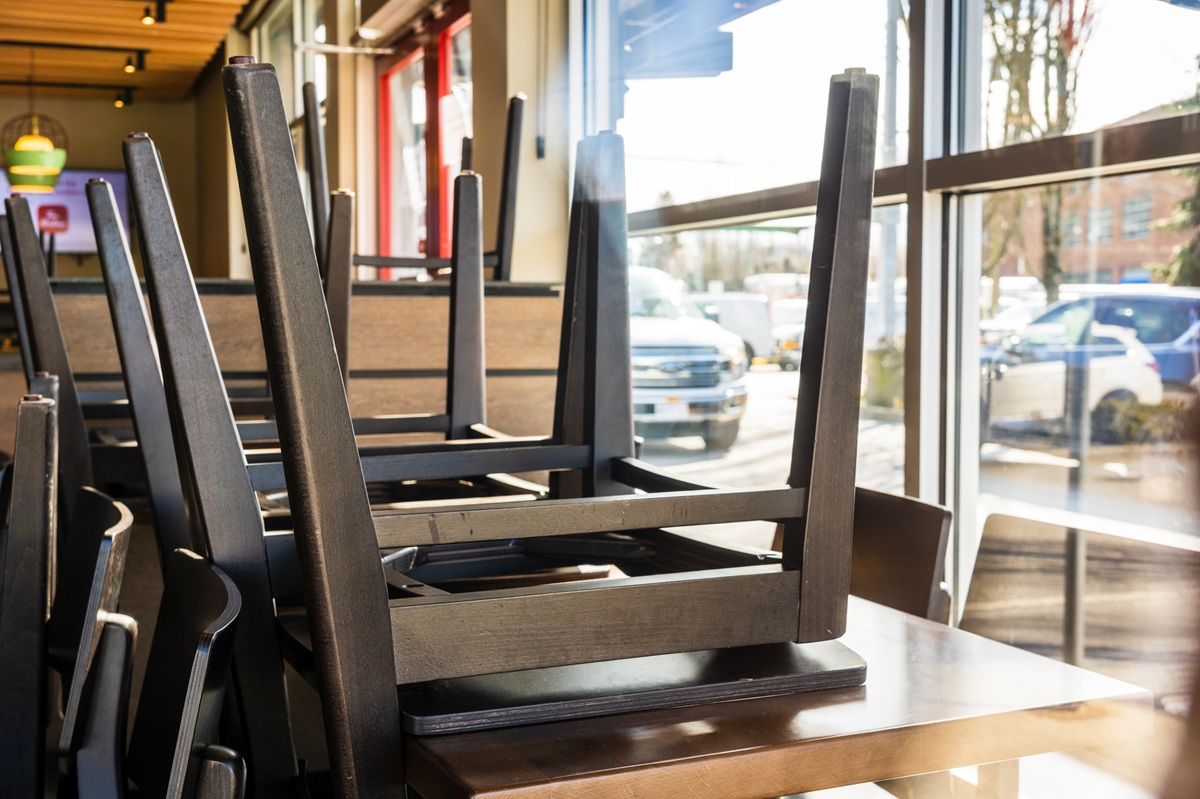
Restaurants are one of the highest-stakes BI scenarios in New York. Between perishable inventory loss, the payroll obligations that continue even when the kitchen is dark, vendor relationships that deteriorate during a closure, and the notoriously slow pace of rebuilding a regular customer base after reopening—the financial damage runs well beyond what the physical repair cost suggests. Every one of those elements belongs in the claim.
Retail businesses face similar issues around inventory, lease obligations, and seasonal revenue patterns. Professional services firms—law offices, medical practices, financial advisors—carry different loss profiles but often have contractual client relationships whose disruption creates quantifiable losses that deserve to be in the claim.
The point is that a generic BI calculation doesn’t work for every business. The claim needs to reflect how your specific business generates revenue and what the interruption actually cost you.
What To Do When The BI Claim Isn’t Going The Way It Should
Business interruption disputes tend to be large. The dollar amounts involved in months of lost revenue for a functioning New York City business are significant, and insurers know that policyholders under financial pressure are more likely to accept a settlement that gets cash moving—even if it’s not the right number.
If your BI claim has been denied on physical loss grounds, if the lost income calculation doesn’t reflect what your business actually earned, if the period of restoration was cut short before repairs were genuinely complete, or if the extended period of indemnity wasn’t included—these are all disputes worth pursuing.
The business interruption claim team at Direct Public Adjusters works with commercial property owners across all five NYC boroughs and throughout New Jersey, Connecticut, and Pennsylvania. Free consultation, no upfront cost, no fee unless we recover more than what you’ve been offered. The financial pressure of a business interruption is real—having the right people working your claim is how you make sure the insurance you paid for actually performs when you need it.