
New York doesn’t do mild weather. Nor’easters that strip roofs overnight. Summer storms that drop trees through living rooms in twenty minutes. Coastal flooding that turns ground floors into wading pools. And every time a significant storm moves through the region, the same thing happens—tens of thousands of policyholders file claims, insurance companies deploy adjusters as fast as they can, and a meaningful percentage of those claims get underpaid before the property owner even realizes what happened.
Speed is the insurer’s advantage after a storm event. They know the damage is fresh, emotions are running high, and most policyholders want the situation resolved quickly. That urgency is exactly what leads people to accept settlements that don’t cover what repairs actually cost. Understanding how the process works—before you’re in the middle of it—is the best protection you have.
The Hours Right After The Storm: What You Do Now Affects What You Get Paid Later
The window between when a storm ends and when a restoration crew arrives is the most important documentation period you’ll have. Once tarps go on roofs and debris gets cleared, the evidence of the full scope of damage starts disappearing.
Before anything gets touched, walk the entire property and document everything on camera. The roof if you can safely see it from the ground—don’t climb up there yourself. Every wall that took impact. Every window. Fencing, detached structures, vehicles if they were damaged. Interior ceilings and walls if water got in. Water lines if flooding occurred. The more specific and thorough this documentation is, the harder it becomes for an adjuster to minimize what they saw.
Weather records matter too. Note the date and time the storm hit your area. NOAA maintains publicly accessible weather data that can confirm wind speeds and precipitation at specific locations on specific dates. Private weather verification services can produce certified reports that carry significant weight in a claim dispute. If a storm dropped 70mph winds on your block on a Tuesday night and your roof failed, that connection needs to be documented—not just assumed.
One thing many New York property owners don’t know: if the damage is severe enough that the property is unsafe to occupy, your policy’s additional living expenses coverage kicks in from the date of the loss. Keep receipts for every dollar you spend on temporary housing, meals, laundry, and storage. These costs are reimbursable, but only if you document them from the start.

Flood Damage Versus Storm Damage: A Distinction That Costs People Thousands
This is where more New York storm claims break down than almost anywhere else in the process.
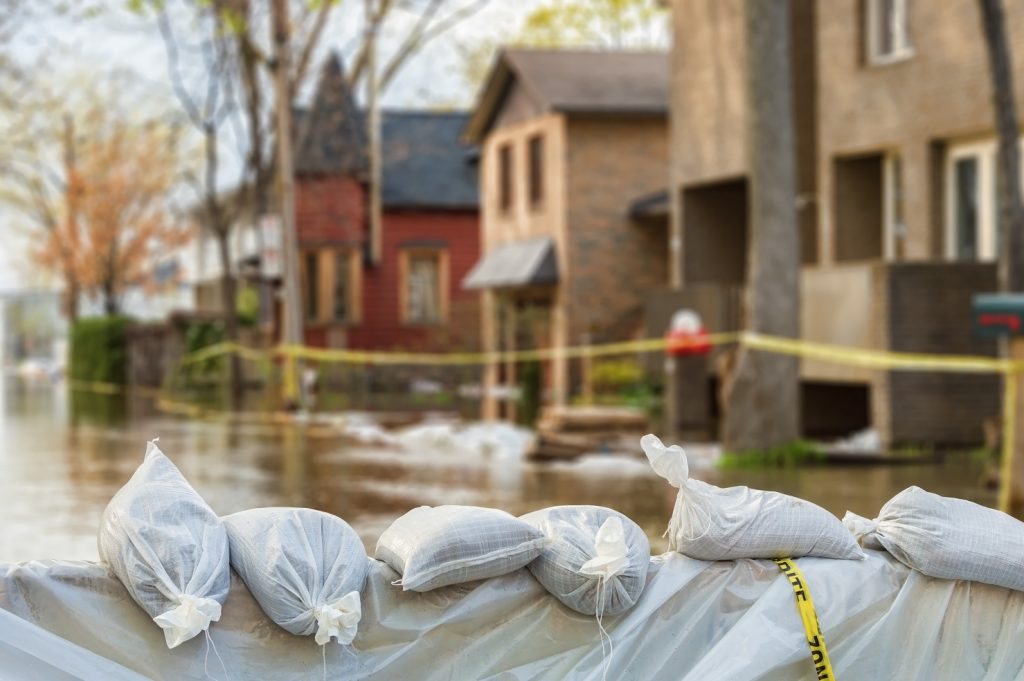
Standard homeowner policies cover wind damage. They cover rain that enters through a storm-damaged roof or broken window—because the opening was created by a covered peril. What they do not cover is flood damage, defined as water that enters the property from the ground up: storm surge, overflowing drains, surface water accumulation. That category of loss requires a separate flood policy, either through the National Flood Insurance Program or a private carrier.
When a storm causes both wind damage and flooding simultaneously—which is common in coastal areas of Staten Island, Queens, and parts of Brooklyn—insurers have a financial incentive to push as much of the loss as possible into the flood category. If you don’t have flood coverage, that’s damage they don’t pay for. Even if you do have both policies, the allocation between them affects what each one pays out.
This is not a technicality. It’s a significant amount of money in a lot of claims, and it’s an area where having someone review the cause-of-loss characterization before you accept a settlement is worth the time.
The Wear And Tear Denial: What It Means And Why It’s Not Always Legitimate
After every major storm in the New York area, a wave of denial letters goes out citing the same exclusion: wear and tear, or maintenance neglect. The insurer’s position is that the roof, siding, or structure was already compromised before the storm hit, and the storm just finished what deterioration had already started.
Sometimes that argument is legitimate. A roof that was fifteen years past its service life and had documented maintenance issues is harder to claim as pure storm damage. But insurers apply this exclusion aggressively—and they apply it to claims it doesn’t legitimately fit. A roof with normal age-appropriate wear that failed because a storm dropped a tree on it is not a maintenance issue. The distinction matters enormously and it’s not always obvious from a denial letter alone.
If you receive a denial citing wear and tear or maintenance neglect, the first thing to do is read the specific policy language being cited. Then compare it against what actually happened. A contractor assessment that specifically attributes the damage to the storm event—rather than pre-existing conditions—is your strongest counter to that position. Weather verification data that confirms the severity of the storm on the date of loss supports it further.
Don’t assume a wear and tear denial is the end of the conversation. In a significant number of cases, it isn’t.
Roof Claims In New York: More Complicated Than They Look
Roof damage is the most common storm claim in the region, and it’s also one of the most commonly underpaid. There are a few reasons for that.
Insurers depreciate roofing aggressively based on age. A fifteen-year-old roof on a replacement cost policy might still get an initial offer that reflects significant depreciation, with the balance held back until repairs are completed and receipts submitted. That holdback is legitimate under most policies—but policyholders often don’t know to go back and collect it after the work is done.
New York also has specific considerations around matching. If storm damage requires replacing a section of a roof, and the existing roofing material is no longer available or doesn’t match what was there, some policies trigger matching provisions that require the insurer to cover a full replacement rather than a partial repair. Insurers rarely bring this up. It’s worth knowing.
And water intrusion from a damaged roof creates secondary damage—to insulation, to ceilings, to walls, to flooring—that needs to be documented and included in the claim separately. An estimate that covers only the roof itself and ignores everything the leak damaged on the way through is an incomplete estimate.
Other Structures, Contents, And What Usually Gets Left Off The Claim
Most homeowner policies include a separate coverage category for structures other than the main dwelling—fences, detached garages, sheds, pergolas. Coverage typically sits at 10% of the dwelling limit, so on a $600,000 insured home that’s $60,000 available for other structures. Adjusters focused on the main structure regularly miss this category entirely. Make sure every structure on the property is documented and included.
Contents losses from storm damage—furniture, electronics, appliances, clothing—belong in the claim too. Build that inventory while the damage is in front of you. The insurer won’t do it for you, and trying to reconstruct it from memory weeks later is a losing exercise.
When The Settlement Offer Arrives
The insurer’s written estimate reflects their view of what happened and what they owe. It’s a starting point. Review it against your contractor’s assessment line by line. If materials are priced below what any New York contractor would charge, if damage categories are missing, if depreciation looks excessive on a replacement cost policy—those are points of negotiation, not fixed numbers.
If the gap between what the insurer offers and what your repairs actually cost is significant, your policy’s appraisal clause gives you a formal path to resolve that dispute without litigation. Each side appoints an independent appraiser. They agree on a neutral umpire. The panel reaches a binding determination. It’s a process most policyholders don’t know exists, and most insurers don’t volunteer.
Getting It Right Matters More Than Getting It Done Fast
The pressure to resolve a storm claim quickly is real—you need your property repaired, you want your life back to normal. But speed that comes at the cost of an accurate settlement is a trade you’ll regret when the contractor’s final bill doesn’t match what the insurer paid.
If your storm damage claim in New York has been denied, underpaid, or you’re not confident the settlement you’ve been offered covers what the repairs will actually cost—the storm damage team at Direct Public Adjusters will review your claim at no cost. Licensed in New York, New Jersey, Connecticut, and Pennsylvania, serving all five NYC boroughs. No fee unless we recover more than what you’ve already been offered.
The storm is over. The claim is where the real work starts.