
Public Adjuster In Manhattan, NY
When property damage happens in Manhattan, the financial stakes are higher than almost anywhere else in the country. Repair costs per square foot run well above the national averages that insurance company pricing software is built around. A settlement that would cover a full restoration in most markets doesn’t come close to covering the same job in Midtown or the Upper West Side. That gap—between what the insurer offers and what repairs in Manhattan actually cost—is where most claims go wrong, and it’s where we do our most important work.
Direct Public Adjusters represents Manhattan property owners exclusively. Not the insurance company, not the building, not the managing agent. You. We document the full scope of your loss, build a claim that reflects real Manhattan repair costs, and negotiate directly with the insurer until the settlement reflects what your policy actually owes you.
Free inspection, no upfront cost, available 24/7. If you’ve had property damage in Manhattan and the insurer’s number doesn’t add up—call us before you sign anything.
Call Us Anytime For A FREE Claim Assessment
- (917) 246-2211
- 100-15 Queens Blvd Suite 1A, Queens, NY 11375
- We're Available 24/7!
Schedule an Appointment
Contact us for a FREE Claim Assessment
Why Manhattan Property Owners Face Unique Claim Challenges
Manhattan’s property landscape creates insurance claim challenges that don’t exist anywhere else. The borough is almost entirely vertical—high-rise co-ops, condominiums, luxury rentals, mixed-use towers—and the structural complexity of those buildings creates damage scenarios that require a level of documentation most insurance adjusters aren’t equipped to handle properly.
Co-op claims in Manhattan are among the most complicated in residential insurance. When damage occurs in a co-op unit, the boundary between what the building’s master policy covers and what the shareholder’s individual policy covers is defined by the proprietary lease and the building’s insurance documents—neither of which most shareholders have read carefully. Building management has its own interests in how that boundary gets drawn. A managing agent who tells you something isn’t covered may be correct, or may be protecting the building’s relationship with its insurer. Without someone reviewing the actual documents on your behalf, you have no way to know which it is.
Condominium claims carry similar complexity with different governing documents. Common element damage, unit damage, and the allocation between them is a recurring source of underpayment in Manhattan condo claims—particularly in older buildings where the original documents don’t clearly address modern damage scenarios.
Commercial property in Manhattan operates at a scale where a single loss event can generate claim values that dwarf what the same physical damage would cost anywhere else. A restaurant forced to close for four months in the West Village isn’t losing what a restaurant in another market would lose. A retail space on Fifth Avenue carrying business interruption insurance needs a claims professional who understands how to document Manhattan revenue and calculate Manhattan losses—not someone applying a national formula to a local reality.
And for luxury residential properties—penthouses, high-floor co-ops, renovated brownstones—standard depreciation schedules and materials pricing bear no relationship to what restoration actually costs. Custom finishes, specialty materials, and high-end fixtures require independent valuation, not line items from a software database.
Claims We Handle In Manhattan
Water Damage
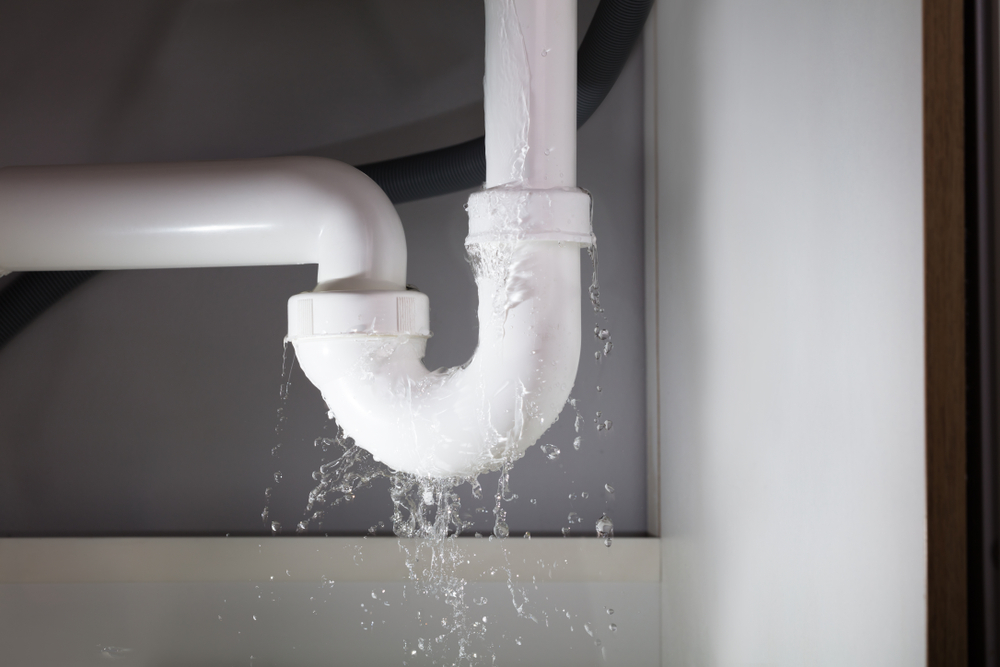
Water damage is the most common claim we handle in Manhattan—burst pipes in older pre-war buildings, roof leaks in high-rises, and the particularly complicated scenario of water traveling down through multiple floors of a residential tower before anyone knows where it started. Each floor it passes through is a separate unit with a separate policy and a separate set of questions about who covers what. We untangle these situations from the top down and make sure every affected unit’s loss is properly documented.

Fire And Smoke Damage
Fire and smoke damage in a Manhattan high-rise spreads through ventilation systems, elevator shafts, and shared mechanical spaces in ways that low-rise fire damage doesn’t. The scope of a Manhattan fire claim regularly extends well beyond the unit where the fire originated, and the insurer’s initial estimate almost never captures that full reach on the first pass.
Storm And Wind Damage
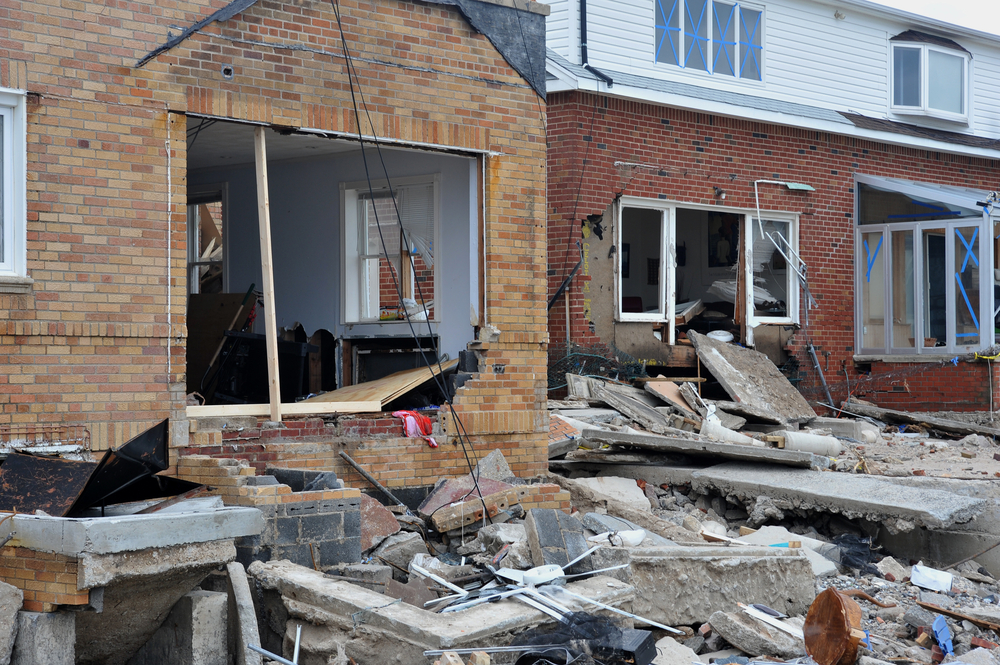
Storm damage in Manhattan tends to focus on facade elements, rooftop equipment, windows, and water intrusion through building envelope failures. High-rise buildings face wind loads at elevation that ground-level inspections don’t adequately account for. We document storm damage at every level of the structure and make sure the full scope of what the storm did to the building is in the claim.
Business Interruption
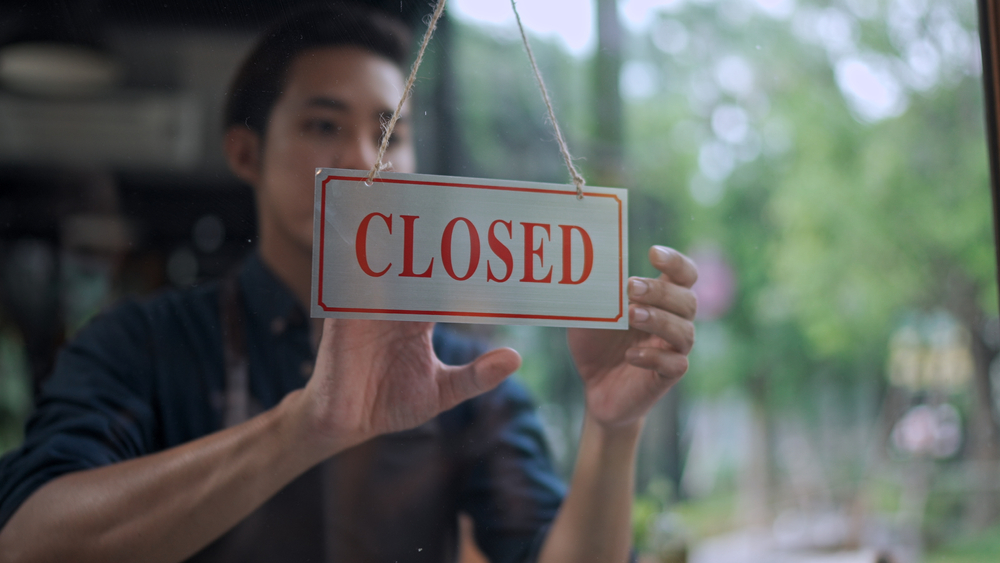
For Manhattan’s restaurant, retail, hotel, and office tenants—business interruption coverage is often the most valuable piece of the insurance program and the most consistently underutilized. When physical damage forces a closure or limits operations, the income loss calculation needs to reflect what that specific business, in that specific location, actually generates. A generic calculation doesn’t do that. We build BI claims from your actual financials.
Accidental Damage
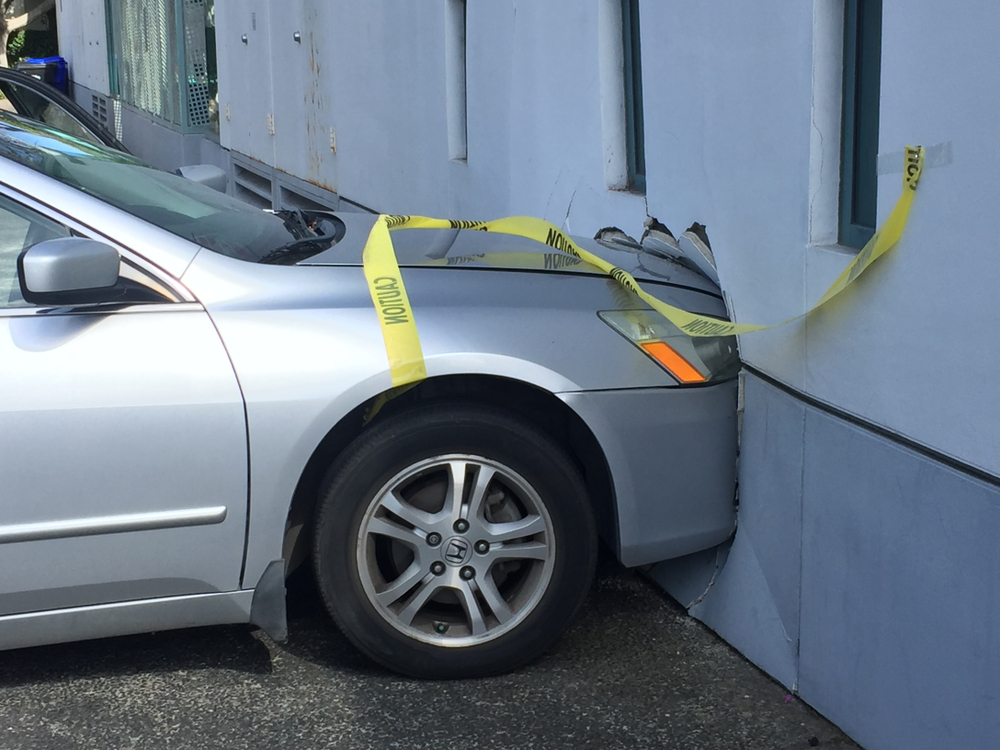
Vehicle-into-building incidents in Manhattan’s dense streetscape—particularly at ground-floor retail and restaurant spaces—cause structural damage that requires engineering documentation before any estimate can be accurate. We coordinate that process and make sure the full scope gets into the claim before the insurer sets a number.
Underpaid And Denied Claims
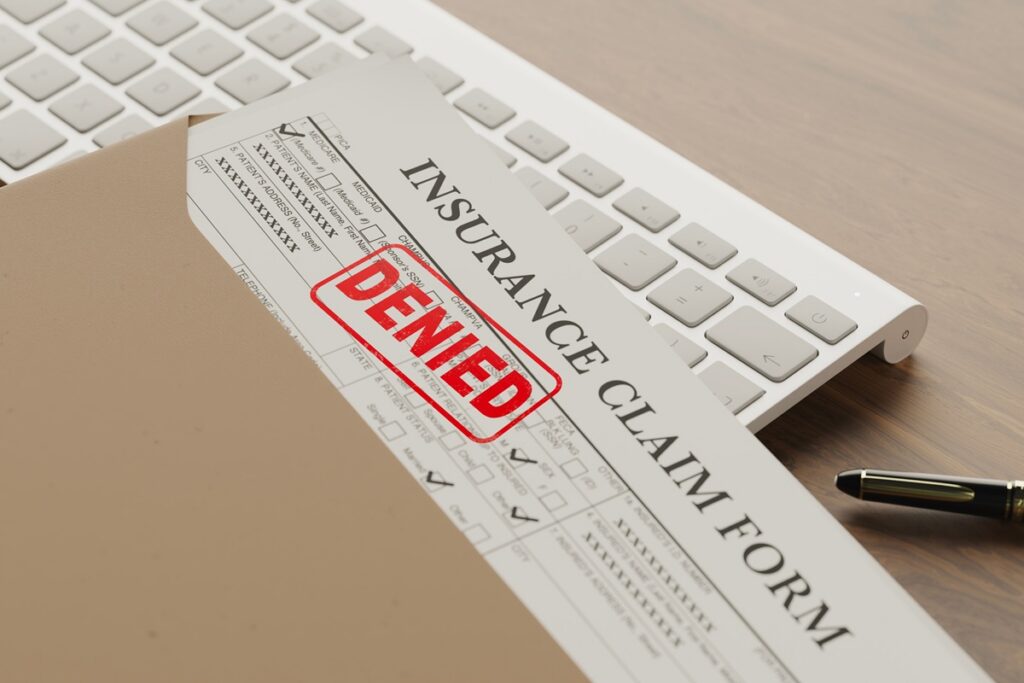
If your Manhattan claim was settled for less than your repairs will actually cost, or denied on grounds you don’t understand or agree with—bring it to us. We review Manhattan claims at no cost and challenge settlements and denials that don’t reflect what the policy actually requires.
Residential And Commercial Properties We Serve In Manhattan
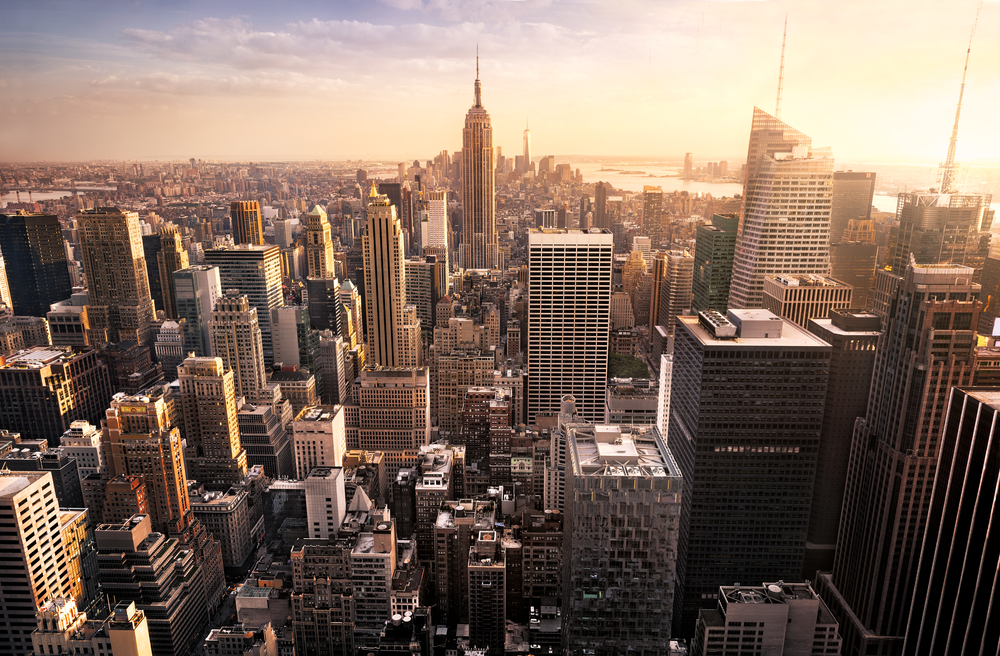
Pre-war co-ops and condos on the Upper West Side, Upper East Side, and throughout Midtown. Luxury high-rise residential in Tribeca, Hudson Yards, and the Financial District. Brownstones and townhouses in the West Village, Chelsea, and Harlem. Rental buildings across every Manhattan neighborhood.
On the commercial side—restaurants, hotels, retail flagships, office buildings, galleries, and mixed-use properties from the Battery to Inwood. Tenant claims where the landlord’s policy and the tenant’s policy overlap. High-value properties where the standard insurer estimate bears no relationship to actual restoration cost.
If you own it, lease it, or manage it in Manhattan—we handle the claim.
How The Claims Process Works With Direct Public Adjusters
We start with a free inspection. No cost, no commitment. If we take the case, we conduct our own independent assessment of the full damage—including elements that require specialist evaluation for accurate valuation. We build the claim documentation, submit it, and handle all negotiations with the insurer directly.
In Manhattan more than anywhere else, the difference between the insurer’s first offer and what a well-documented claim actually recovers tends to be significant. Our fee is a percentage of what we recover above what you’ve already been offered. Nothing upfront. If we don’t get you more, we don’t get paid.
For claim-specific information visit our pages on water damage claims, fire damage claims, storm damage claims, business interruption claims, and underpaid claims.
Frequently Asked Questions—Public Adjuster Manhattan
How Do Co-Op Insurance Claims Work In Manhattan?
Co-op claims in Manhattan involve two separate insurance programs—the building's master policy and the individual shareholder's HO-6 policy. The master policy typically covers the building's structure and common elements. The shareholder's policy covers their unit's interior finishes, personal property, and improvements. The boundary between them is defined by the proprietary lease and the building's insurance documents. In practice that boundary is frequently disputed, and building management's interpretation of it doesn't always favor the shareholder. We review the governing documents, identify what each policy covers, and make sure nothing falls through the gap between them.
Does Manhattan's High Cost Of Living Affect My Insurance Settlement?
It should—but it often doesn't without a fight. Insurance company pricing software uses regional or national cost data that consistently underestimates what labor and materials actually cost in Manhattan. A settlement built on that data will fall short of what restoration actually requires. We document actual costs using Manhattan contractor estimates and market data and submit that documentation as the basis for negotiation. The gap between the insurer's initial offer and a properly documented claim tends to be larger in Manhattan than in any other borough.
What Happens When Water Damage Travels Through Multiple Floors In A Manhattan Building?
Each floor the water passes through is potentially a separate covered loss under a separate policy. The unit where the leak originated, every unit it passed through, and every unit where it stopped all have their own coverage questions and their own documentation requirements. We work from the source down, document damage at every level, and coordinate the claim across all affected units so the full scope of the loss is captured rather than just the most obvious portion of it.
My Manhattan Condo Association Says The Damage Isn't Covered Under The Master Policy. Is That Final?
No. The condo association's interpretation of the master policy is not binding. Coverage determinations are made based on the actual policy language and the governing documents—not on what the managing agent or board says. We've reviewed many situations where a building's initial position that something wasn't covered turned out to be incorrect or incomplete when the documents were read carefully. Get an independent review before accepting that answer.
Does Direct Public Adjusters Handle Commercial Claims In Manhattan?
Yes—and commercial claims are where the dollar amounts tend to be highest and the insurer's motivation to minimize the settlement is strongest. We handle property damage and business interruption claims for Manhattan restaurants, retail, hotels, offices, and mixed-use properties. We build BI calculations from actual business financials rather than industry averages, and we document physical damage using Manhattan market costs rather than national software pricing.
What If My Manhattan Luxury Property Has Custom Finishes The Insurer Won't Pay To Restore?
Standard depreciation schedules and materials pricing don't apply to custom finishes, specialty materials, or high-end fixtures. If your insurer is pricing your restoration using generic line items that bear no relationship to what your unit actually contains, that estimate needs to be challenged with independent valuation documentation. We bring in the appropriate specialists to value what's actually there and submit that documentation as the basis for the claim.
Can I Dispute A Manhattan Insurance Settlement I've Already Accepted?
It depends on what you signed. A signed release typically closes a claim. If you accepted a payment without signing a final release, options may still exist. If there's evidence of bad faith or misrepresentation in how the claim was handled, there may be additional grounds. The situation is fact-specific—bring it to us for a free review before assuming the door is permanently closed.
Have a property damage claim in Manhattan that wasn't handled fairly? Contact Direct Public Adjusters for a free review—no upfront cost, no obligation, and no fee unless we recover more than what you've already been offered.
Why Direct Public Adjusters
We know what property damage costs in Manhattan—not what a national pricing database says it costs, but what contractors, specialists, and restoration professionals actually charge in this market. That knowledge is the foundation of every claim we build here.
Licensed in New York, New Jersey, Connecticut, and Pennsylvania. Contingency fee only—no upfront cost, no payment unless we recover more. Available 24/7.