
Public Adjuster In Staten Island, NY
Staten Island is the most residential borough in New York City, and that shapes everything about how insurance claims work here. The majority of properties are single-family homes—houses with yards, driveways, and individual ownership structures that look more like suburban New Jersey than urban New York. When something goes wrong, the claim is usually straightforward in structure but not in practice. Insurance adjusters know Staten Island homeowners are often filing their first significant claim, and first-time claimants get lower settlements than people who know how to push back.
Direct Public Adjusters handles insurance claims for Staten Island homeowners and business owners exclusively on your behalf. We document the damage properly, build a claim that reflects what your policy actually covers, and negotiate until the settlement reflects what repairs in this market actually cost.
Free inspection, no upfront cost, available 24/7. If your Staten Island property took damage and the insurer’s offer doesn’t add up—call us before you sign anything.
Call Us Anytime For A FREE Claim Assessment
- (917) 246-2211
- 100-15 Queens Blvd Suite 1A, Queens, NY 11375
- We're Available 24/7!
Schedule an Appointment
Contact us for a FREE Claim Assessment
Why Staten Island Property Owners Face Unique Claim Challenges
No part of New York City took a harder hit from Hurricane Sandy than Staten Island. Tottenville, Oakwood Beach, New Dorp Beach, and Midland Beach saw storm surge flooding that destroyed homes, gutted ground floors, and in some cases made properties uninhabitable for months. The claims that followed were among the most contested in the city’s history—policyholders caught between standard homeowner policies that excluded flood, NFIP flood policies with their own coverage limits, and insurance companies that moved aggressively to classify as much damage as possible as flood rather than wind.
Years later, that history still matters. Some Sandy claims were never fully resolved. Some policyholders accepted settlements they didn’t fully understand. And the same coastal vulnerability that made Sandy so devastating hasn’t gone anywhere. Every nor’easter, every tropical system that moves up the coast, every significant storm event puts Staten Island’s southern and eastern shoreline at risk in ways that the rest of the borough doesn’t face.
Understanding how to document cause of loss in a coastal storm claim—how to establish what the wind did versus what the surge did, and how to fight back when the insurer’s characterization doesn’t reflect the evidence—is something we do regularly for Staten Island property owners, and something most insurance adjusters on the insurer’s side are counting on you not knowing how to challenge.
Beyond the coastal risk, Staten Island’s single-family housing stock creates claim challenges that are different from the multi-unit density of other boroughs. When a pipe bursts in a Staten Island colonial, the damage stays in one house—but it spreads through the entire house, often reaching multiple floors before it’s found. Insurers writing estimates for single-family water damage in Staten Island routinely miss structural damage under floors and behind walls that only shows up when remediation starts. By then the adjuster has already set the scope and the insurer is reluctant to revise it upward.
Older housing stock on the North Shore—in neighborhoods like Port Richmond, Stapleton, and Mariners Harbor—carries the same pre-existing condition arguments that insurers use in the Bronx. Aging plumbing, older roofing, and dated infrastructure give adjusters something to point to when they want to characterize a covered loss as a maintenance issue. Fighting that argument requires documentation that ties the damage to a specific event rather than general age, and that documentation needs to be built before cleanup starts.
Claims We Handle In Staten Island
Water Damage
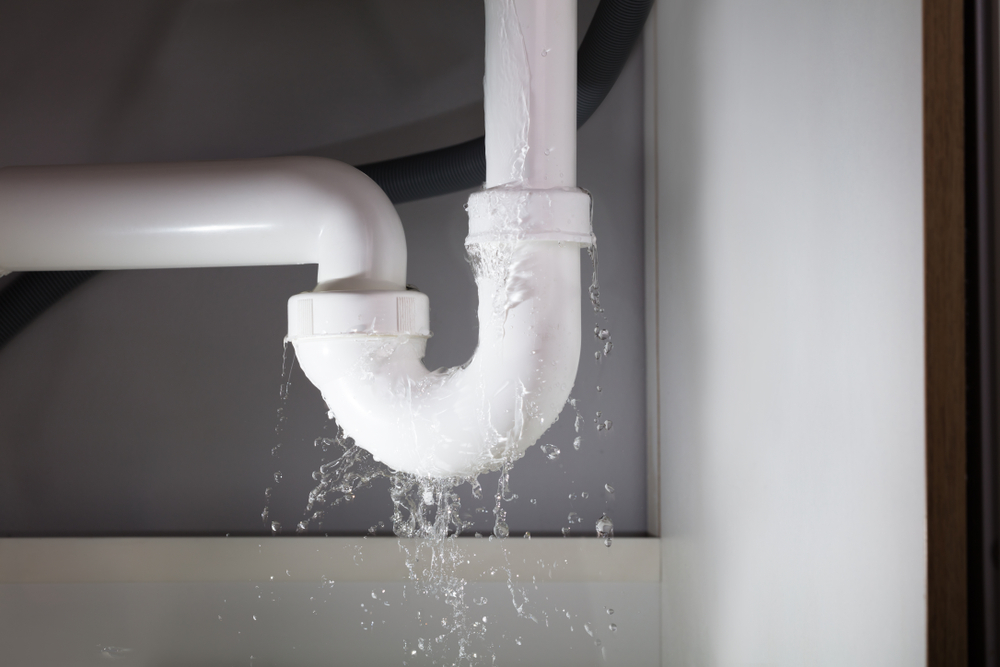
Single-family homes on Staten Island have a water damage problem that’s different from every other borough—when a pipe bursts, there’s no neighboring unit below to catch it early. Water runs through the entire house, floor by floor, often for hours before anyone finds the source. By the time remediation starts, the damage has reached the subfloor, the insulation, and the wall cavities on multiple levels. Insurers write estimates based on what they can see. We document what’s actually there—including everything behind the drywall that won’t show up until demolition starts.
Fire And Smoke Damage
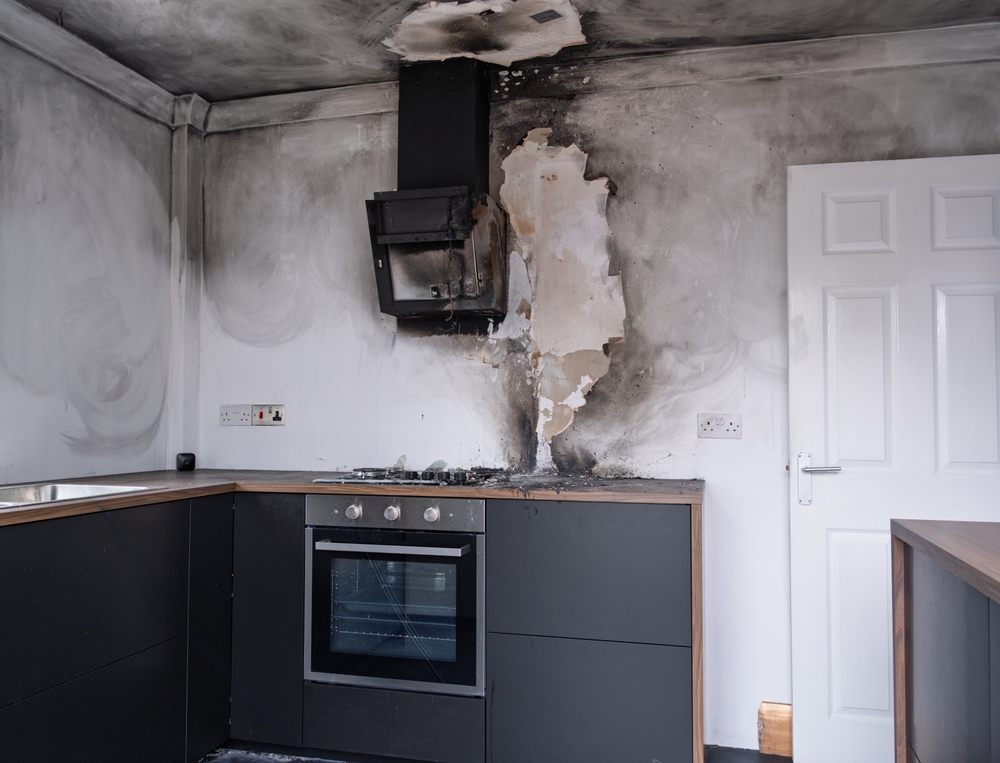
Fire and smoke damage in Staten Island’s single-family and two-family housing stock spreads differently than in attached urban buildings. Attic connections and open crawlspaces between a garage and a main living area can carry smoke through a house faster than the visible damage suggests. A fire that looks contained to one room often isn’t. We document the full path smoke took through the structure and make sure the estimate reflects every space it reached.
Storm And Wind Damage
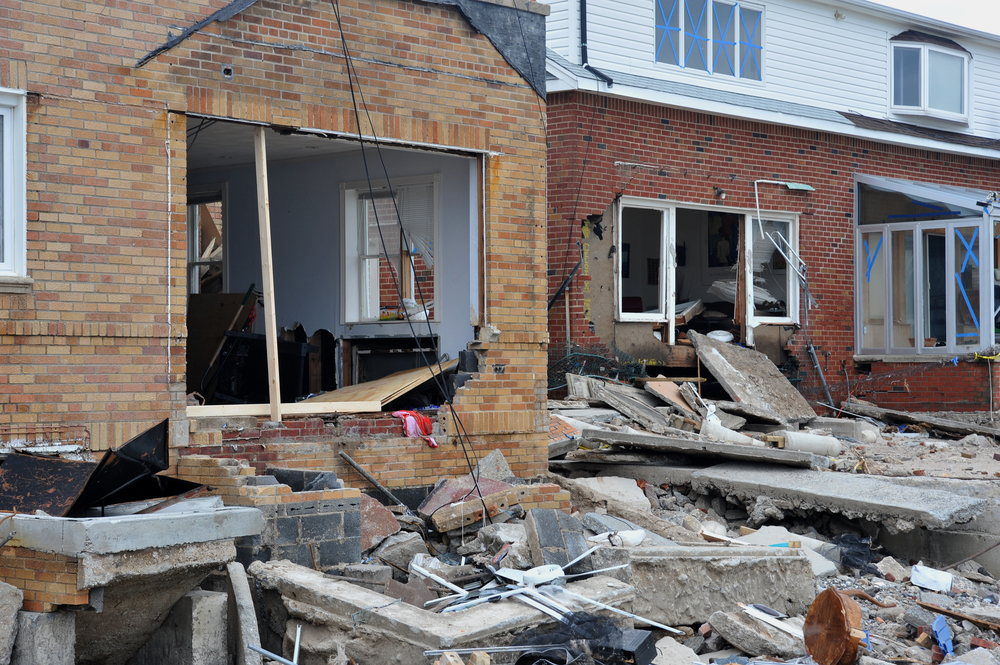
Staten Island’s South Shore takes storm damage differently than any other part of New York City. The coastal exposure is real, the flood risk is documented, and every significant storm event brings the same dispute—what did the wind do versus what did the surge do. Insurers know standard homeowner policies cover wind and exclude surge, so the incentive to push damage into the flood category is significant. We document the physical evidence of each peril separately so that allocation reflects what the storm actually did, not what the insurer finds most convenient.
Business Interruption
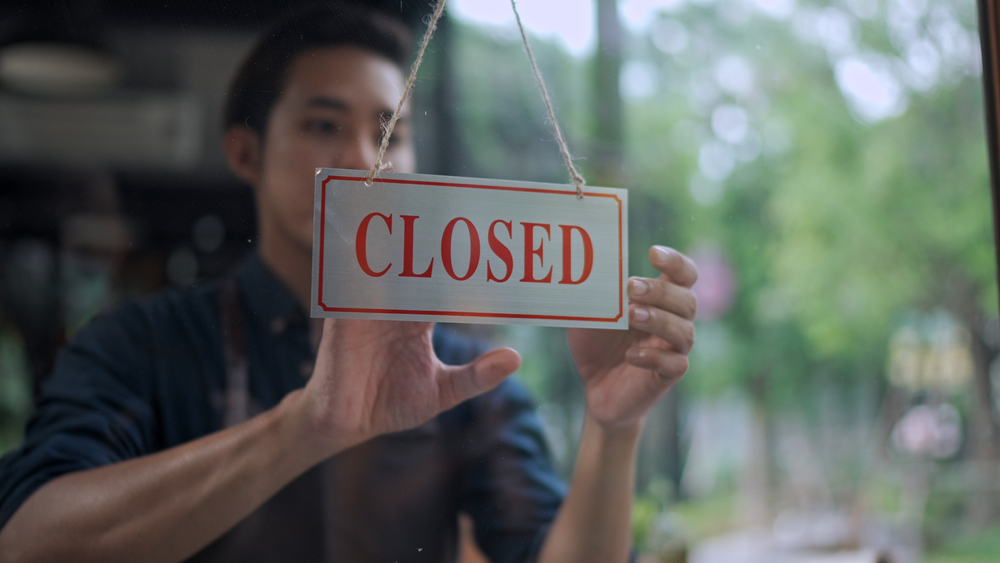
Staten Island’s commercial corridors—Victory Boulevard, Richmond Avenue, Hylan Boulevard—are home to restaurants, retail, and service businesses where a closure of even a few weeks creates real income loss. We build BI claims from actual financials rather than national averages, which in a borough with its own cost structure matters more than most insurers want to acknowledge.
Accidental Damage
Vehicle-into-building incidents along Staten Island’s busy commercial streets require structural engineering documentation before any estimate can be accurate. We manage that process from initial assessment through final settlement, making sure nothing gets missed because the adjuster stopped at the visible surface damage.

Underpaid And Denied Claims
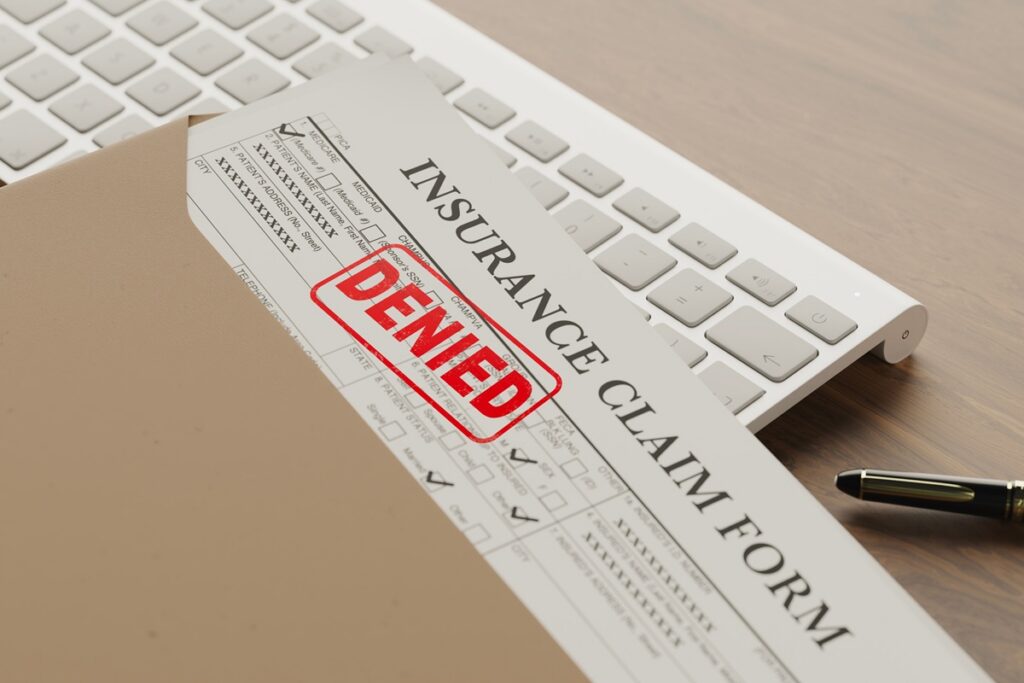
Staten Island homeowners—many of whom are filing a significant claim for the first time—are among the most frequently underpaid in the city. If your claim was settled for less than your repairs cost, or denied on grounds that don’t hold up under scrutiny, bring it to us. We review Staten Island claims at no cost.
Residential And Commercial Properties We Serve In Staten Island
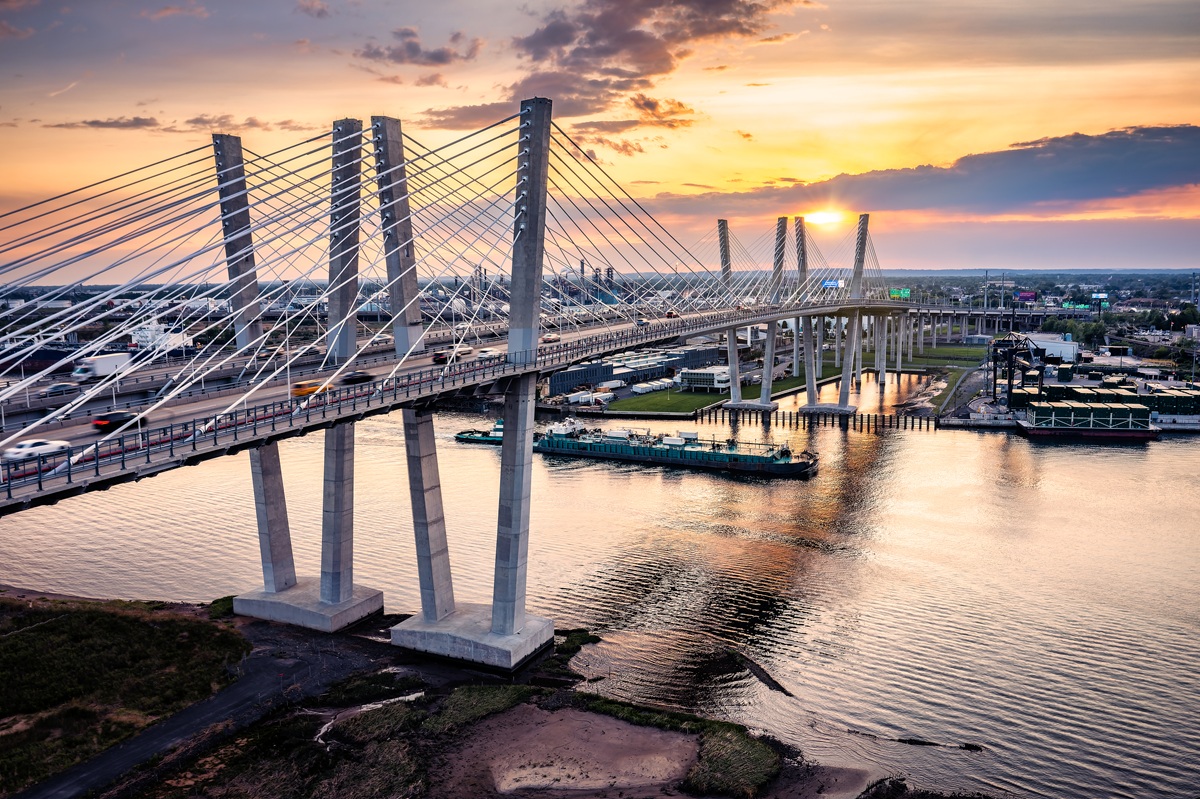
Single-family homes throughout the South Shore—Tottenville, Great Kills, Annadale, Eltingville, and New Dorp. Coastal properties in Oakwood Beach, Midland Beach, and South Beach. North Shore residential and commercial properties in Port Richmond, Stapleton, and Mariners Harbor. Mid-island residential in Willowbrook, New Springville, and Richmond Heights.
On the commercial side—retail, restaurants, offices, and service businesses along Victory Boulevard, Richmond Avenue, and Hylan Boulevard. Properties where storm damage triggered both a property damage and a flood claim simultaneously. Landlord claims on two-family and three-family properties where tenant units sustained damage.
If you own it, lease it, or manage it on Staten Island—we handle the claim.
How The Claims Process Works With Direct Public Adjusters
We start with a free inspection. No cost, no commitment. If we take the case we build our own independent damage assessment—separate from whatever the insurer’s adjuster documented. We handle all claim preparation and negotiate directly with the insurance company.
Our fee is a percentage of what we recover above what you’ve already been offered. Nothing upfront. If we don’t get you more, we don’t get paid.
To focus on claim-specific details please visit our pages on water damage claims, fire damage claims, storm damage claims, business interruption claims, and underpaid claims.
Frequently Asked Questions—Public Adjuster Staten Island
Can I Still File Or Reopen A Hurricane Sandy Claim On Staten Island?
For most standard claims the two-year statute of limitations from the date of loss has passed, which closes the door on new legal action tied to Sandy directly. However, if your Sandy claim was settled and you believe it was underpaid or mishandled, there may be other avenues depending on the specific circumstances—particularly if there's evidence of bad faith in how the claim was originally handled. It's worth a conversation before assuming nothing can be done. We've worked on post-Sandy Staten Island situations and know what the realistic options are.
Does Standard Homeowner Insurance Cover Flood Damage On Staten Island?
No. Standard homeowner policies exclude flood damage—defined as water entering the property from outside through storm surge, ground water, or surface water accumulation. If your property is in a flood zone you need a separate NFIP or private flood policy for that category of loss. Where it gets complicated is when a storm causes both wind damage and flooding simultaneously—which is exactly what happened to coastal Staten Island during Sandy. The insurer will try to push as much loss as possible into the flood category. Documenting what the wind did versus what the surge did is the critical first step in any coastal Staten Island storm claim.
My Staten Island Home Had A Pipe Burst And The Insurer Says It Was Gradual Deterioration. What Now?
That denial isn't necessarily final. The gradual deterioration exclusion applies to damage that developed slowly over time due to maintenance neglect—not to a pipe that failed suddenly even if it was old. The distinction matters enormously and it's one insurers blur deliberately. Whether the denial holds up depends on the evidence—what the plumber found, what the visible damage pattern shows, what the timeline of the loss actually was. We review these denials regularly and challenge them when the evidence supports a different characterization of the loss.
How Does Storm Surge Damage Get Handled Differently From Wind Damage On Staten Island?
Storm surge is classified as flood, which is excluded from standard homeowner policies. Wind damage is covered. When a coastal storm hits Staten Island and causes both, the question of which damage was caused by which peril determines what gets paid under which policy. Insurers have a financial incentive to push as much loss as possible into the flood category—particularly if the homeowner has lower flood coverage limits or no flood coverage at all. We document the physical evidence of wind damage separately from surge damage and fight back when the insurer's allocation doesn't reflect what the storm actually did.
Does Direct Public Adjusters Handle Two-Family And Three-Family Property Claims On Staten Island?
Yes. Two and three-family homes are common across Staten Island and they create specific claim questions—particularly when tenant units sustained damage alongside the owner's unit. Which losses fall under the property owner's policy, which might involve tenant renters insurance, and how landlord liability fits into the picture are all questions that need to be answered before the claim is structured. We handle these situations regularly and know how to build a claim that captures the full scope of the loss across all affected units.
What Areas Of Staten Island Does Direct Public Adjusters Serve?
All of Staten Island—from the North Shore in Port Richmond and Stapleton down through the mid-island neighborhoods of New Springville and Willowbrook, to the South Shore communities of Tottenville, Great Kills, and Annadale, and the coastal areas of Oakwood Beach, Midland Beach, and South Beach. Every neighborhood, every property type.
What If My Staten Island Claim Was Settled But I Think I Left Money On The Table?
Bring it to us. The statute of limitations in New York runs from the date of loss, not the date of settlement—which gives some policyholders more runway than they realize. We review closed Staten Island claims at no cost. If the original scope missed significant damage or the settlement didn't reflect what your policy actually covers, we'll tell you what the options are.
Have a property damage claim on Staten Island that wasn't handled fairly? Contact Direct Public Adjusters for a free review—no upfront cost, no obligation, and no fee unless we recover more than what you've already been offered.
Why Direct Public Adjusters
We know the Bronx. The building types, the age of the housing stock, the insurers active in this market, and the arguments they make when they’re trying to push a legitimate claim into an exclusion category. That knowledge is what gets Bronx property owners settlements that actually cover what their repairs cost.
Licensed in New York, New Jersey, Connecticut, and Pennsylvania. Contingency fee only—no upfront cost, no payment unless we recover more. Available 24/7.