
Most people who get underpaid by their insurance company never find out. They receive a check, it seems reasonable given what they’ve been through, and they move on. The number the insurer offered feels official—it came on letterhead, it cited the policy, it had line items. What it didn’t do was reflect what the policy actually owed.
That gap between what an insurer offers and what a claim is actually worth is real, it’s common, and it’s not accidental. Insurance companies use pricing software that consistently underestimates what repairs cost in New York. Their adjusters work fast, especially after major storm events when they’re handling dozens of claims at once. Depreciation gets applied where it shouldn’t. Entire damage categories get left off the estimate. And most policyholders—facing stress, financial pressure, and a process they’ve never navigated before—accept what they’re given.
Here’s what to look for before you do.

Your Contractor’s Number And The Insurer’s Number Aren’t Close
This is the clearest signal there is. If you’ve gotten an independent estimate from a contractor and it’s materially higher than what the insurance company offered, that difference isn’t because your contractor is overcharging. It’s because the insurer’s pricing database doesn’t reflect what things actually cost in this market. On a significant water damage or fire claim in New York City, a $30,000 to $50,000 gap between the insurer’s estimate and a local contractor’s estimate is not unusual. That gap is recoverable. Most people don’t know that.
The Estimate You Received Is Missing Things You Know Were Damaged
Pull out the insurer’s written estimate and go through it line by line. Not just the total—the actual line items. Are your personal belongings included? Mold remediation connected to the water event? The cost of temporary housing if you were displaced? Business income losses if the property was commercial? These categories belong in the claim under most standard policies and they get left out regularly. Not because the coverage doesn’t exist, but because the adjuster’s scope didn’t include them and nobody on your side was looking for gaps.
The Damage They Documented Was Only What They Could See
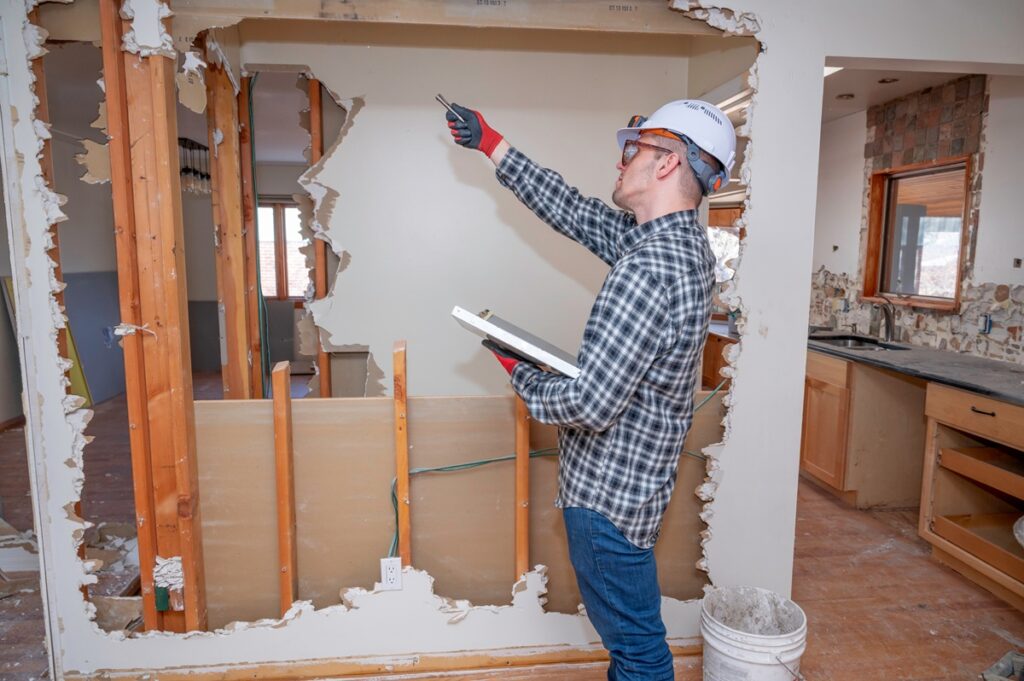
This one matters more than most people realize. Water damage behind walls, smoke in HVAC systems, structural issues under flooring that only become visible during remediation—these are the categories most commonly missed in a fast insurer inspection. An adjuster who spends two hours at a fire-damaged property and writes an estimate based on what’s visible is leaving out a meaningful portion of what’s actually there. By the time those hidden losses surface during the repair process, the insurer has already set the scope and has every incentive to resist changing it.
You Have Replacement Cost Coverage But Received Actual Cash Value
Replacement cost pays what it costs to replace damaged property at today’s prices. Actual cash value pays the depreciated worth of what was lost—which on older items can be a fraction of what replacement actually costs. Many policies are written with replacement cost but pay out in two stages: an initial ACV payment followed by a depreciation holdback that gets released once repairs are done and receipts are submitted. A significant number of policyholders complete their repairs and never go back to claim that holdback. If you have replacement cost coverage and haven’t submitted your completion documentation, there may be money sitting uncollected right now.
The Insurer Called Your Loss Something It Might Not Be
Gradual deterioration. Pre-existing wear and tear. Flood damage rather than wind damage. These characterizations appear in claim files constantly, and each one shifts a loss from a covered category into an excluded one. The insurer’s adjuster decides how to characterize the cause of loss, and that characterization determines whether—and how much—you get paid. What most policyholders don’t know is that characterization isn’t final. It’s a position. And positions supported by better evidence get changed. A burst pipe that the insurer calls gradual deterioration may well be a sudden accidental discharge when the physical evidence is properly documented. The distinction is worth thousands of dollars and it’s worth fighting for.
You Felt Rushed To Accept
Speed benefits the insurer, not you. After a fire or significant water event, there’s real financial pressure to resolve things quickly—you need the money, you need to get back into your home, you need your business reopened. Insurance companies understand that pressure and sometimes lean into it. If you accepted an offer before you fully understood the scope of your damage, before all repairs were complete, or before all categories of loss were calculated, the settlement likely doesn’t reflect what you were actually owed. Whether there’s recourse depends on what was signed—but it’s worth finding out before assuming the door is shut.
The Restoration Company Came From The Insurer’s Preferred List
When the insurance company recommends a restoration contractor, that contractor has an existing relationship with the insurer. That relationship creates a dynamic worth understanding. Preferred contractors sometimes work from narrower scopes than an independent contractor would—scopes that align more closely with what the insurer wants to pay than with what a complete restoration actually requires. If the work done on your property felt incomplete, or if the contractor seemed more focused on what the adjuster authorized than on what the damage actually needed, that’s worth looking at.

You Were Displaced And Nobody Mentioned ALE
Additional living expenses coverage is in most standard homeowner policies and it’s one of the most consistently overlooked pieces of a property damage settlement. If you were displaced from your home—even temporarily—the policy likely covers temporary housing, meals above your normal food costs, laundry, storage, and similar expenses. In New York, where a week in a decent hotel runs several hundred dollars a night, ALE adds up fast. If nobody brought it up when your claim was being processed, it may simply not have been included.
One More Thing Worth Knowing
A settlement check isn’t always the final word. If you accepted a payment without signing a release that specifically waives further claims, you may still have options. If new damage has surfaced that wasn’t in the original scope, that may be pursuable. And if there’s evidence the insurer mishandled the claim—not just paid less, but actively misrepresented coverage or failed to investigate properly—there may be additional grounds beyond the policy itself. In New York the statute of limitations on an insurance claim runs from the date of loss, not the date of settlement. Depending on when your loss occurred, the window may still be open.
The Cost Of Finding Out Is Nothing
A licensed public adjuster can review your settlement, compare it against your policy, and tell you whether the gaps are worth pursuing. If the claim was handled fairly, you’ll know that. If it wasn’t, you’ll know exactly where the money went and what the realistic options are to recover it. There’s no upfront cost and no fee unless additional money is recovered.
If you’ve had a property damage claim in New York, New Jersey, Connecticut, or Pennsylvania and any of what’s above sounds familiar—the underpaid claims team at Direct Public Adjusters will take a look at no cost. No obligation, no fee unless we recover more than what you’ve already been offered.