
The adjuster your insurance company sends to inspect your property works for the insurance company. Not for you. Their job is to evaluate your claim within parameters that benefit the insurer, document what they document, and produce a settlement number that reflects the insurer’s interest in paying as little as possible. They are professionals, they do this every day, and they are very good at it. Their job is just not to maximize what you get paid.
A public adjuster is the opposite. Licensed independently, hired by you, paid only when they recover more than what the insurer already offered. They conduct their own inspection, build their own documentation of the full scope of the loss, and negotiate directly with the insurer on your behalf. Same policy language, same coverage knowledge, opposite side of the table.
Most policyholders are filing the most significant insurance claim of their lives having never done it before. The insurer’s adjuster has done it thousands of times. That experience gap shows up directly in settlement numbers, and it is the entire reason public adjusters exist.
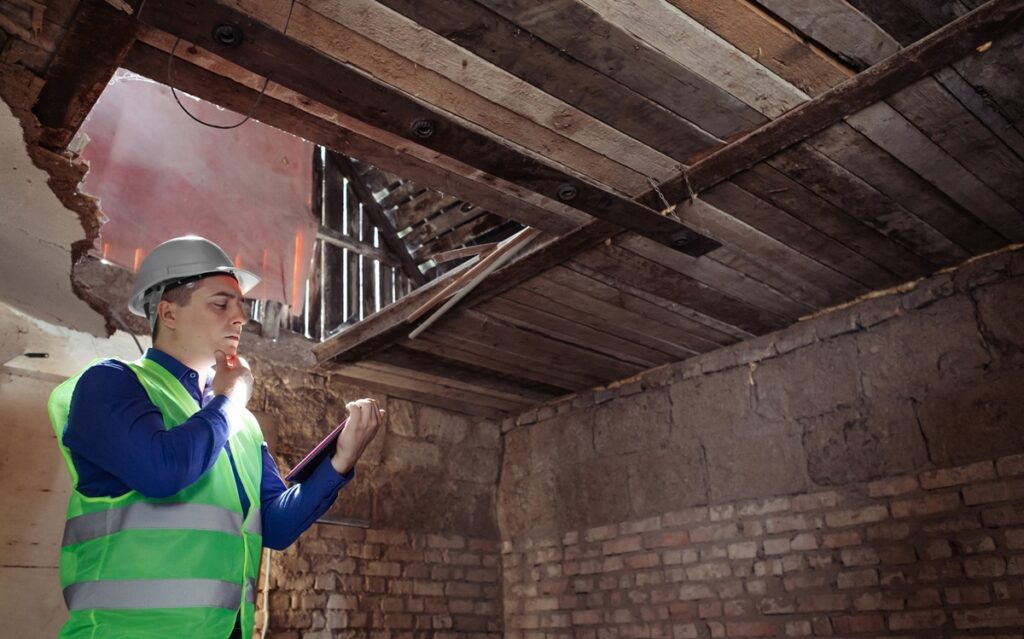
The Playing Field Is Not Level
The insurer’s adjuster is not required to find everything. An adjuster who documents visible damage accurately but misses what is behind the walls, under the flooring, or inside the HVAC system has done nothing wrong from the insurer’s perspective. You are still underpaid, and nobody on the insurer’s side is going to volunteer that information.
The insurer’s adjuster uses pricing software built on regional or national cost averages. In a market like New York City where labor and materials consistently run above those averages, every estimate starts low before anyone has negotiated. A public adjuster builds their estimate from what repairs actually cost in the market where the property is located.
How a loss gets characterized determines what gets paid. Whether damage is called sudden and accidental or gradual deterioration. Whether storm damage gets allocated to wind coverage or to excluded flood. Whether a business interruption claim gets calculated on actual financials or on a generic industry formula. The insurer’s adjuster makes those calls in the insurer’s favor. A public adjuster challenges characterizations that the evidence does not support.
What About Independent Adjusters
One more category worth knowing. Independent adjusters are contracted by insurers to handle claims on their behalf. Despite the name, they work for the insurer. They are not independent in any sense that benefits you.

How The Contingency Fee Works
The contingency fee structure is the part that makes most people hesitate, so it is worth understanding clearly. A public adjuster takes a percentage of what they recover above the insurer’s existing offer, typically ten to fifteen percent depending on the state and the complexity of the claim. No upfront cost. If they do not recover more than what the insurer already offered, they do not get paid. That structure means their only financial incentive is getting the highest possible settlement. There is no cost to having a claim reviewed, because the fee only exists if additional money gets recovered.
When Does It Make Sense To Hire A Public Adjuster
Whether to hire a public adjuster comes down to one question. Does the settlement you have been offered reflect what your policy actually owes you? If the insurer’s number matches what your contractor says repairs will cost and all your losses are accounted for, you may not need one. If there is a gap between the two, if damage categories are missing, if your claim was denied on grounds you do not fully understand, or if the process felt faster than it should have, those are signals worth taking seriously.
The insurance company had a professional working your claim from the moment you reported it. You are entitled to the same.
If you have had a property damage claim in New York, New Jersey, Connecticut, or Pennsylvania and you are not confident the settlement reflects what your policy actually owes you, the underpaid claims team at Direct Public Adjusters will review it at no cost. No upfront fee, no payment unless we recover more than what you have already been offered.