Public Adjuster In Pennsylvania

Public Adjuster In Pennsylvania

Pennsylvania is one of the most geographically and climatically varied states in the Mid-Atlantic region, and that variety shows up directly in the insurance claim landscape. The Philadelphia metro area carries dense urban and suburban housing stock with the same shared-system complexity that defines claims in New Jersey and New York City. Pittsburgh’s older residential neighborhoods have aging infrastructure that insurers exploit the moment a claim comes in. Rural and agricultural central Pennsylvania faces weather exposure including severe storms, flash flooding, and heavy snow that produces significant property losses in communities where insurance representation is almost nonexistent. And the Pocono Mountains region draws seasonal and vacation property owners whose claims involve a category of insurer behavior all its own.

Direct Public Adjusters is licensed in Pennsylvania and has worked claims across the state. When a Pennsylvania property owner calls us after a loss, we bring the same documentation-first approach, the same independent assessment process, and the same contingency fee structure that we use in New York and New Jersey. No upfront cost, no fee unless we recover more than what you’ve already been offered. Free inspection, available 24/7. If your Pennsylvania property took damage and the insurer’s number doesn’t reflect what repairs will actually cost, call us before that check gets cashed.

Call Us Anytime For A FREE Claim Assessment

Schedule an Appointment

Contact us for a FREE Claim Assessment

Why Pennsylvania Insurance Claims Require Local Knowledge

Pennsylvania’s claim landscape breaks down differently by region, and knowing which arguments insurers make in each market is what determines how a claim gets built.

The Philadelphia metro including Philadelphia, Montgomery, Bucks, Delaware, and Chester counties has some of the densest and most varied residential housing stock in the Northeast. Older rowhouses in the city itself, Victorian-era single-family homes in the suburbs, newer construction in the outer counties, and a significant multi-family residential footprint throughout. Water damage claims in older Philadelphia properties face the same pre-existing condition arguments that show up in Newark and the Bronx. Aging plumbing, aging roofing, and aging electrical systems give insurers something to point to every time they want to characterize a sudden loss as a maintenance issue. Fire claims in attached rowhouse blocks spread through shared party walls in ways that a surface inspection won’t catch, and the scope of smoke damage in these structures is almost always larger than what the insurer’s first estimate reflects.

Pittsburgh, Pennsylvania public adjuster

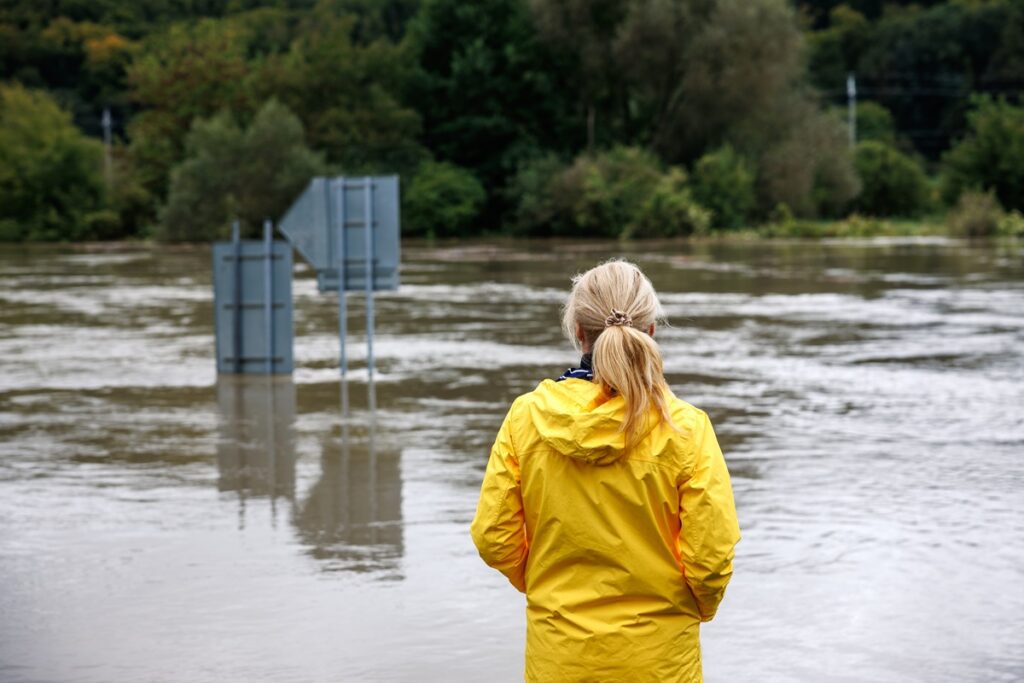
Pittsburgh and western Pennsylvania have their own version of the aging infrastructure problem. Many of Pittsburgh’s residential neighborhoods have housing stock dating back to the early twentieth century, and insurers operating in this market know it. Frozen pipe claims are a significant issue during harsh western Pennsylvania winters, and the wear-and-tear denial is deployed just as aggressively here as anywhere in the region. Western Pennsylvania also sees significant flooding along its river corridors. The Allegheny, Monongahela, and Ohio have produced major flood events historically and continue to create covered losses that require careful cause-of-loss documentation to build correctly.

The Pocono Mountains and northeastern Pennsylvania create a different claim profile entirely. Vacation and seasonal properties that sit unoccupied for extended periods are particularly vulnerable to winter damage. Frozen pipes that burst and run for days before anyone discovers them, roof failures under heavy snow load, and storm damage that goes undocumented until a property owner arrives weeks after the event are all common scenarios. Insurers love these situations because delayed discovery of a loss gives them grounds to dispute coverage, timing, and scope simultaneously. Getting ahead of that dispute with proper documentation is especially critical for vacation property claims in this region.

Central and rural Pennsylvania sees severe convective storms, flash flooding, and hail events that generate significant property losses in communities that are geographically isolated from major restoration contractors. That isolation creates longer repair timelines and higher contractor costs than insurers’ pricing software accounts for, and it creates displacement situations where additional living expense coverage matters enormously and gets overlooked just as often.
Claims We Handle In Pennsylvania

Water Damage

Water damage is the claim type we handle most frequently across Pennsylvania. Frozen pipes in older residential properties, storm-driven roof leaks, appliance failures, and basement flooding from both interior plumbing failures and exterior water intrusion. The documentation requirements don’t change by geography, but the arguments insurers use to minimize scope do. Knowing which argument is coming before it arrives is what lets us build the right counter from the start.


Fire And Smoke Damage

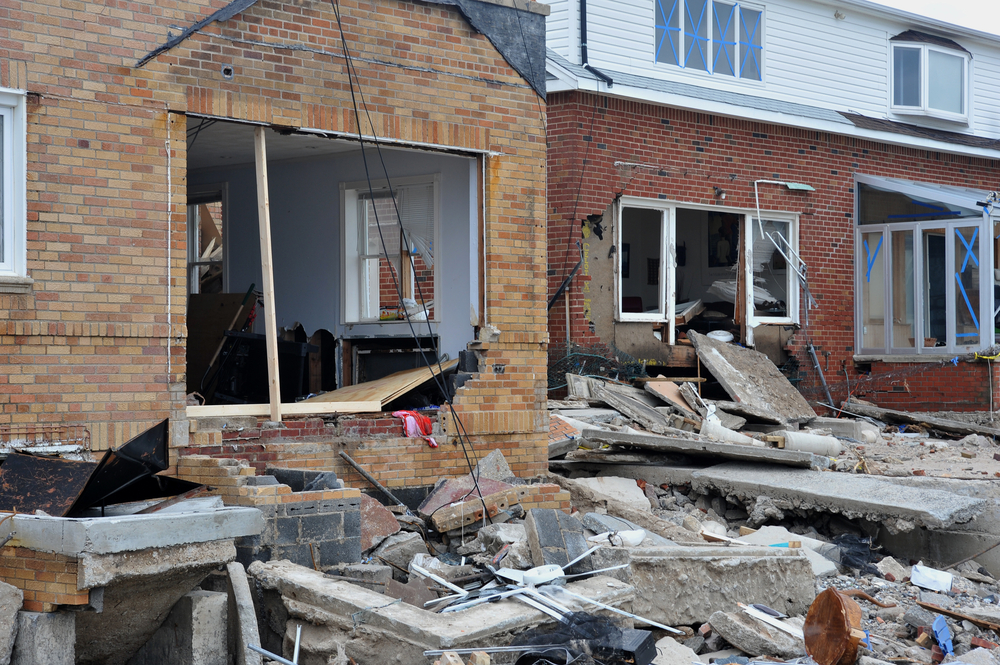
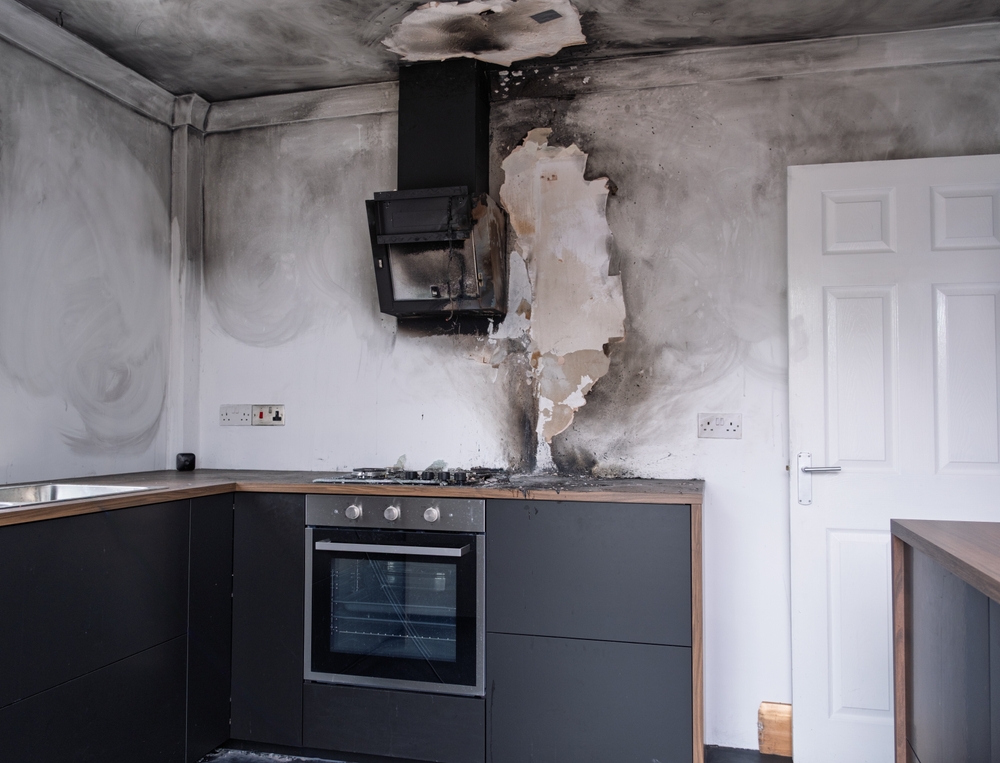
Fire and smoke damage in Pennsylvania’s older attached housing particularly in Philadelphia and Pittsburgh neighborhoods with dense rowhouse and semi-detached stock travels through party walls, shared attic spaces, and shared mechanical systems in ways that routinely produce losses well beyond the unit of origin. We document the full reach of every fire and smoke claim, not just what’s visible at the source.


Storm And Wind Damage

Storm and wind damage across Pennsylvania produces the full range of claim disputes depending on where the property is located. Coastal-adjacent properties in southeastern Pennsylvania face some of the same wind-versus-flood questions that define Shore claims in New Jersey. Inland properties face the wear-and-tear denial when storm damage hits older roofing or siding. Pocono properties face the delayed-discovery dispute. We approach each one with documentation tailored to the specific argument the insurer is most likely to make.


Closed business sign representing business interruption insurance claim in Manhattan

Business Interruption

Pennsylvania business owners who suffer a covered loss need business interruption coverage built from their actual financial records, not from generic industry data that has nothing to do with what a specific business in a specific Pennsylvania market generates. A restaurant in Center City Philadelphia and a manufacturing operation in Allentown carry completely different BI loss profiles, and both deserve a claim that reflects their actual numbers.


Accidental Damage

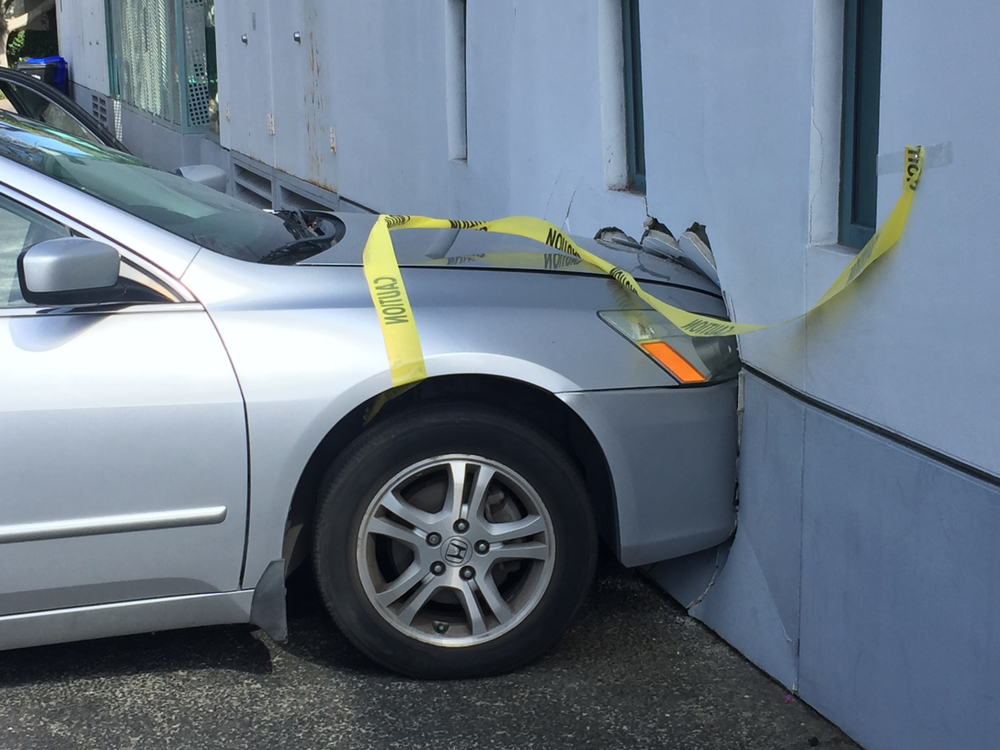
Vehicle-into-building incidents across Pennsylvania’s commercial corridors require structural engineering documentation before any estimate can be accurate. We coordinate that process from the initial assessment through the final settlement.


Underpaid And Denied Claims

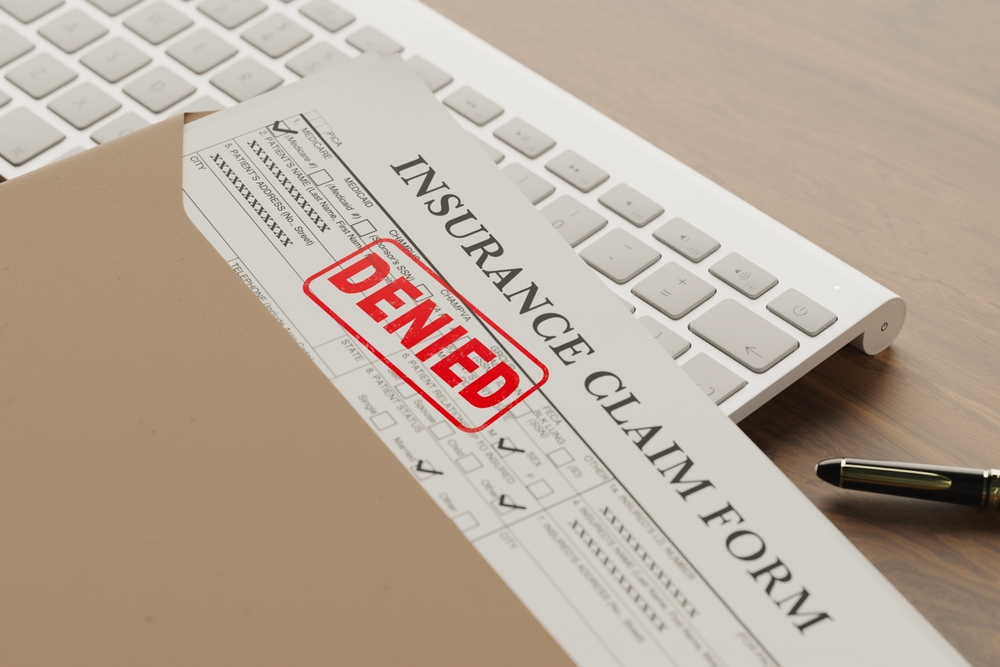
If your Pennsylvania claim was denied or settled for less than your actual repair costs, bring it to us. Pennsylvania insurers use the same underpayment playbook as everywhere else in the region. Pricing software that underestimates local costs, aggressive depreciation on older properties, damage categories left out of the estimate, and exclusions applied where they don’t legitimately fit. We review Pennsylvania claims at no cost and challenge settlements and denials that don’t reflect what the policy actually requires.

Residential And Commercial Properties We Serve In Pennsylvania

Rowhouses and twin homes throughout Philadelphia and its inner suburbs. Victorian-era single-family homes across Montgomery, Bucks, and Delaware counties. Older residential stock throughout Pittsburgh’s neighborhoods. Vacation and seasonal properties in the Pocono Mountains. Rural single-family homes across central and western Pennsylvania.

On the commercial side, restaurants, retail, offices, light industrial, and mixed-use properties across the state. Properties in Pennsylvania’s river corridor communities where flooding is a recurring and historically significant risk. Landlord claims on multi-unit residential properties. Buildings where a single storm or fire event produced both a property damage claim and a business interruption claim that need to be built and submitted together.

If you own it, lease it, or manage it anywhere in Pennsylvania, we handle the claim.

How The Claims Process Works With Direct Public Adjusters

We start with a free inspection.  If we take the case, we build our own independent damage assessment entirely separate from whatever the insurer’s adjuster documented. We handle all claim preparation and negotiate directly with the insurance company.

Our fee is a percentage of what we recover above what you’ve already been offered. Nothing upfront. If we don’t get you more, we don’t get paid.

For claim-specific information visit our pages on water damage claims, fire damage claims, storm damage claims, business interruption claims, and underpaid claims.

Frequently Asked Questions: Pennsylvania Public Adjuster

Does Direct Public Adjusters Handle Claims Across All Of Pennsylvania Or Just The Philadelphia Area?

We handle claims statewide including Philadelphia and its suburbs, Pittsburgh and western Pennsylvania, the Pocono Mountains region, and central and rural Pennsylvania. The claim dynamics vary significantly by region and we adjust our approach accordingly, but our representation is available throughout the state.

What Types Of Property Damage Claims Are Most Common In Pennsylvania?

Water damage is the most common claim type across the state, driven by frozen pipes in winter, storm-driven roof leaks, and basement flooding from both plumbing failures and exterior water intrusion. Fire claims in Philadelphia and Pittsburgh's older attached housing stock are particularly complex because of how smoke and structural damage travel through party walls and shared systems. Storm and wind damage is significant across the state, with the specific disputes varying by region including wear-and-tear denials inland, flood-versus-wind disputes in southeastern Pennsylvania, and delayed-discovery arguments for Pocono vacation properties.

My Pennsylvania Vacation Property Had A Pipe Burst And The Insurer Is Disputing Coverage Because Of The Delay In Discovering The Damage. What Are My Options?

This is one of the most common claim disputes for seasonal and vacation properties in Pennsylvania. Delayed discovery of a loss gives insurers grounds to question the timing, the cause, and the scope simultaneously. Whether the dispute holds up depends on the physical evidence including what the pipe failure pattern shows, what the water damage pattern indicates about the duration of the leak, and whether the policy's notice requirements were met once the damage was discovered. We review these situations regularly and in many cases find that the insurer's position overstates what the policy's notice provisions actually require.

Can Direct Public Adjusters Help With A Pennsylvania Claim That's Already Been Denied?

Yes. A denial is a position, not a final determination. We review the specific policy language cited as grounds for the denial and assess whether it legitimately applies to the facts of the loss. If it doesn't, or if the investigation that led to the denial was inadequate, we build the documentation package to formally challenge it.

What Does It Cost To Have My Pennsylvania Claim Reviewed?

Nothing upfront. We offer a free initial review with no obligation. If we take the case, our fee is a percentage of what we recover above the insurer's existing offer. No payment unless we get you more.

How Does Direct Public Adjusters Approach Claims In Rural Pennsylvania Differently From Urban Claims?

Rural Pennsylvania properties often face longer contractor timelines, higher per-job costs, and greater displacement periods than urban claims, none of which insurer pricing software accounts for properly. Additional living expense coverage becomes more significant when a displaced family has fewer temporary housing options nearby. We document the actual costs and the actual timeline specific to the location, not what a national database says repairs should cost in a rural Pennsylvania county.

What Makes Pennsylvania Rowhouse And Attached Housing Claims More Complex?

Attached housing in Philadelphia and Pittsburgh creates shared-system claim complexity similar to what we see in New York City. Fire and smoke travel through party walls and shared attic space. Water damage from a unit above affects the unit below. The scope of a loss in attached housing is almost always larger than what a surface inspection reveals, and insurer estimates built on quick walkthroughs consistently miss what moved through the shared structure. We document every affected space, not just the point of origin.

Have a property damage claim anywhere in Pennsylvania that wasn't handled fairly? Contact Direct Public Adjusters for a free review. No upfront cost, no obligation, and no fee unless we recover more than what you've already been offered.

Why Direct Public Adjusters

We are licensed public adjusters in Pennsylvania, New York, New Jersey, and Connecticut. Pennsylvania is a large and varied state and we’ve worked claims across its different regions. We know how local insurers in each part of the state tend to approach a claim and how they tend to minimize one. Contingency fee only. Available 24/7.

We Want to Hear From You

Need a Public Adjuster in Pennsylvania?
Speak With One Today!

Call Us - +1 (917) 246-2211