Public Adjuster In New York
New York is where Direct Public Adjusters built its reputation, and it’s the market we understand better than anywhere else we work. From the coastal exposure of Long Island’s South Shore to the dense multi-family housing of the five boroughs, from the Hudson Valley’s older residential stock to the frozen pipe claims that hit upstate properties every winter; we’ve worked claims across nearly every property type and region this state produces. When your home or business takes damage and the insurance company sends their adjuster, that adjuster’s job is to protect the insurer’s interests. Ours is the opposite. We work exclusively for New York property owners and business owners, and we don’t get paid unless we get you more than what the insurance company already offered.
We’re licensed statewide. No upfront cost. If you’ve had property damage anywhere in New York and the settlement number doesn’t reflect what your repairs will actually cost. Reach out before that check gets cashed.
Call Us Anytime For A FREE Claim Assessment
- (917) 246-2211
- 100-15 Queens Blvd Suite 1A, Queens, NY 11375
- We're Available 24/7!
Schedule an Appointment
Contact us for a FREE Claim Assessment
Why New York Property Owners Face Unique Claim Challenges
New York isn’t one insurance market. It’s several operating simultaneously under the same state law, and each one has its own claim dynamics that a fast-moving insurance adjuster is counting on you not knowing how to navigate.
New York City’s housing structure creates claim situations that exist almost nowhere else in the country. A pipe that fails in a Brooklyn co-op immediately raises questions about the building’s master policy, the shareholder’s HO-6, and the proprietary lease language that defines the boundary between them before a single estimate has been written. In a Queens multi-family building, the same event touches multiple tenants, multiple policies, and potentially a landlord coverage dispute simultaneously. The Bronx has aging infrastructure that gives insurers something to point to every time they want to call a sudden loss a maintenance issue. Staten Island has Sandy’s legacy and a single-family housing stock where first-time claimants are the norm; and insurers know exactly what that means at the negotiating table. The complexity isn’t incidental to living in New York City. It’s built into how these buildings work, and insurance companies count on policyholders not knowing how to navigate it.
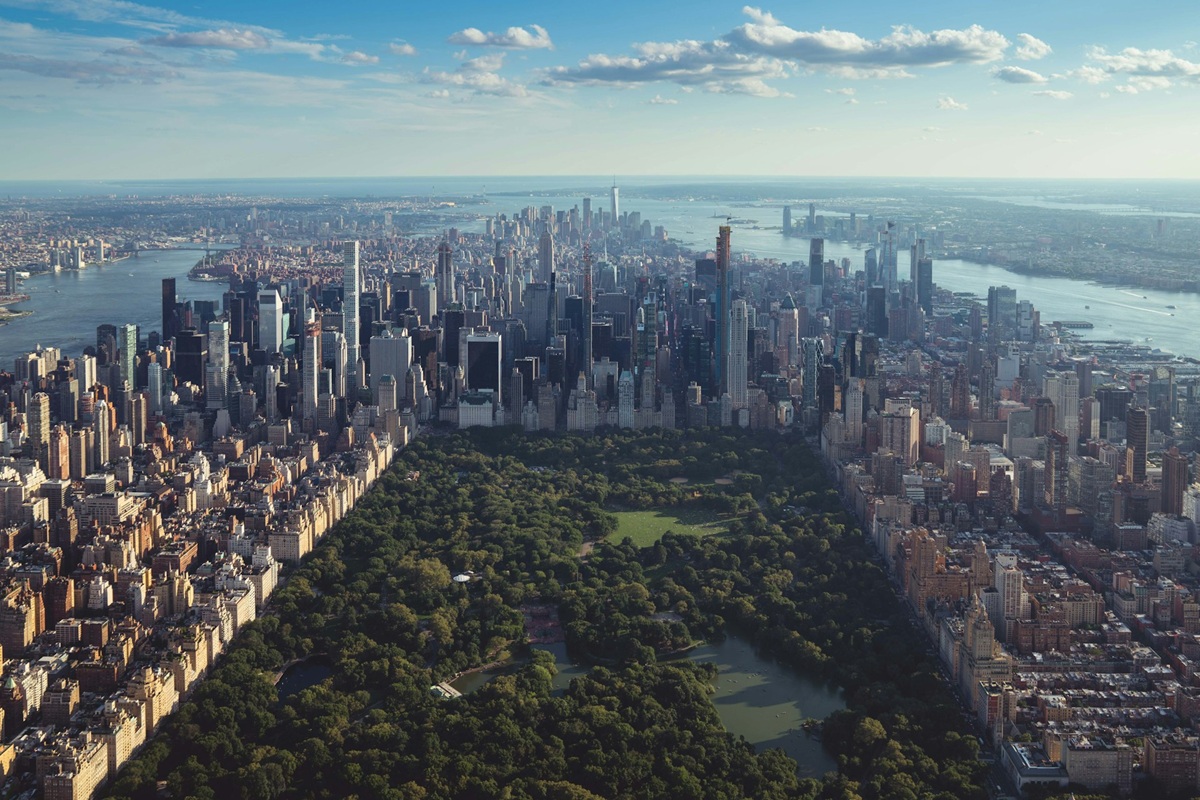
Long Island adds another dimension. Nassau and Suffolk counties see significant storm activity, and the flood-versus-wind dispute that defines so many outer-borough claims is just as present here. The South Shore’s exposure to surge and the North Shore’s older housing stock create different claim profiles that both tend to produce the same outcome without representation: a settlement that covers some of what happened but not all of it.
Upstate New York is different again. Frozen pipe claims spike every winter across properties from the Hudson Valley north. Heavy snow load causes roof failures that insurers immediately try to attribute to pre-existing structural weakness rather than an exceptional weather event. Rural properties face longer repair timelines that draw out displacement periods, and additional living expense coverage gets left on the table even more often than it does in the city.
What stays consistent across all of it is the same pattern. Insurance companies use pricing software built on national averages that underestimate what things cost in New York. Adjusters work fast, and documentation depth is the first casualty of that speed. Claims get underpaid not through fraud but through a system designed to produce conservative numbers unless someone with documentation pushes back.
Claims We Handle In New York
Water Damage
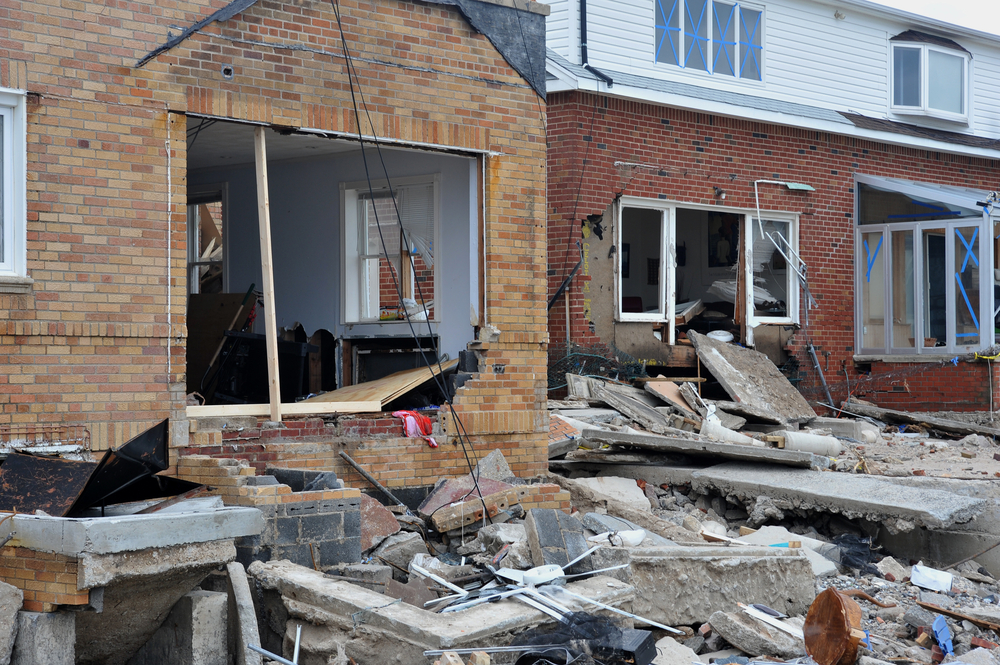
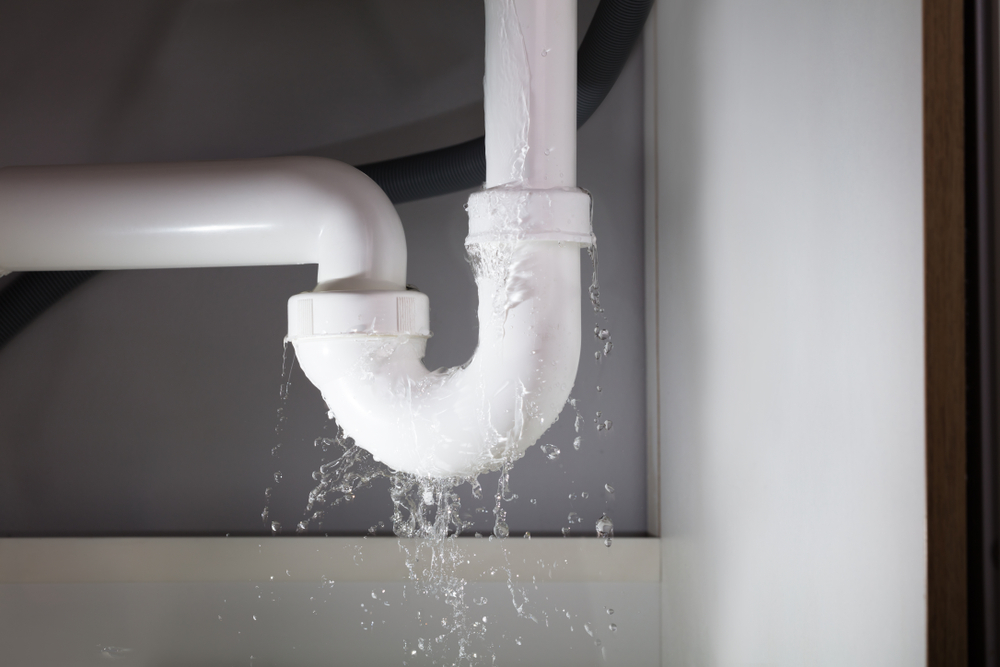
Water damage is the most common claim we handle across the state. What looks different by region is the cause—burst pipes during winter freezes are a bigger share of upstate claims, roof leaks from storm events are more common on Long Island, and neighbor-caused flooding through shared building systems defines the multi-family water damage picture in the city. What doesn’t change is the insurer’s approach: move quickly, document selectively, and produce an estimate that reflects what’s visible rather than what’s actually there. We document before cleanup starts, find the hidden damage, and build the claim around the full scope of the loss.
Fire And Smoke Damage
Fire and smoke damage across New York’s varied building stock spreads differently depending on the structure—through shared walls in Brooklyn row houses, through ventilation shafts in high-rises, through attic connections in Staten Island single-family homes. The coverage question is the same in each case: how far did the damage actually travel and is all of it in the estimate? The answer from an insurer’s adjuster is almost always narrower than the physical reality. We document the full path and make sure nothing that’s covered gets left out.
Storm And Wind Damage
Storm and wind damage generates the most disputes in coastal regions and the most wear-and-tear denials everywhere else. On Long Island and in the outer boroughs, the flood-versus-wind allocation dispute is the defining issue in almost every storm claim. Inland and upstate, the fight is usually over whether storm damage to an older roof or structure was caused by the event or by pre-existing conditions. We counter both with weather verification data and contractor assessments that tie the specific damage to the specific storm.
Business Interruption
Business interruption coverage is consistently the most underutilized piece of a commercial policy in New York, and consistently the most valuable when a covered loss forces a closure or reduction in operations. The income loss calculation for a restaurant in Flushing looks nothing like the one for a warehouse in Buffalo—and neither one looks like what a generic industry average produces. We build BI claims from actual business financials specific to the operation, the location, and the loss period.
Accidental Damage
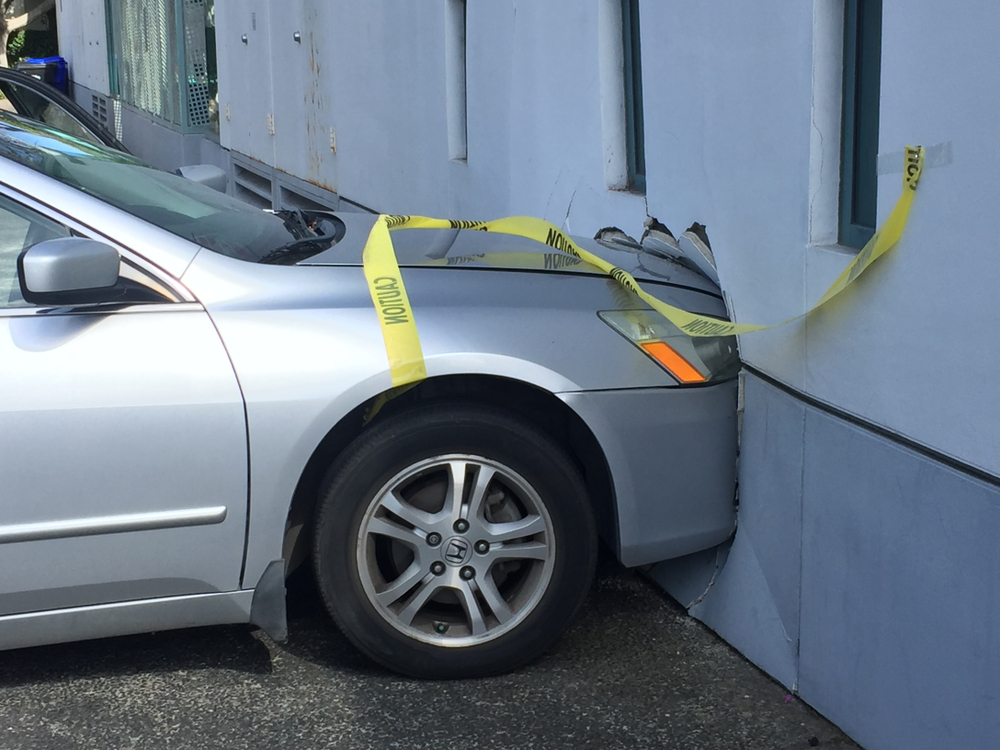
Vehicle-into-building incidents across commercial corridors statewide require structural engineering assessment before any estimate can be accurate. We coordinate that process and make sure the full structural scope is in the claim before the insurer sets a number.
Underpaid And Denied Claims
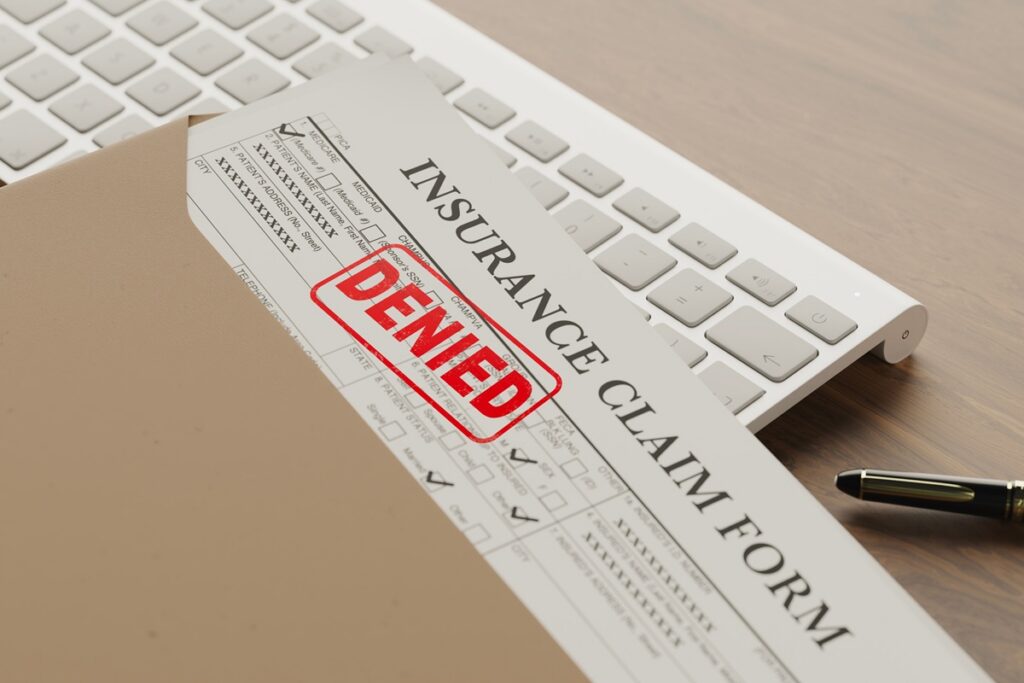
If your New York insurance claim was settled for less than your repairs will cost, or denied on grounds that don’t hold up when the policy is actually read—bring it to us. We review claims at no cost across the entire state.
Residential And Commercial Properties We Serve In New York

From a two-family home in Yonkers to a commercial warehouse in Buffalo, from a Hamptons beachfront property to a co-op on the Grand Concourse—the range of what we handle across New York State is as varied as the state itself. Residential properties of every type: attached and detached, owner-occupied and rented, high-rise and single-story. Commercial properties across every industry vertical: food service, retail, professional services, hospitality, light industrial. Multi-unit buildings where a single loss event affects multiple tenants under multiple policies. Landlord claims where the damage happened in a tenant’s unit but the financial exposure lands on the building owner. Properties where physical damage and business interruption overlap and both need to be built and submitted together.
New York is a big state with a lot of property and a lot of insurers who are very good at paying less than they should. We work statewide, and we handle whatever the property type is.
How The Claims Process Works With Direct Public Adjusters
We start with a free inspection. No cost, no commitment. If we take the case, we build our own independent damage assessment—completely separate from whatever the insurer’s adjuster documented. We build the claim, submit it, and negotiate directly with the insurance company.
Our fee is a percentage of what we recover above what you’ve already been offered. Nothing upfront. If we don’t get you more, we don’t get paid.
For claim-specific information visit our pages on water damage claims, fire damage claims, storm damage claims, business interruption claims, and underpaid claims.
Frequently Asked Questions: New York Public Adjusters
Does Direct Public Adjusters Handle Claims Anywhere In New York State Or Just New York City?
We handle claims throughout the entire state—all five NYC boroughs, Long Island including Nassau and Suffolk counties, Westchester and the Hudson Valley, and upstate New York. The property types and claim dynamics vary significantly by region and we adjust our approach accordingly, but our representation is available statewide.
What's The Difference Between A New York City Insurance Claim And One Filed Upstate?
The biggest differences come down to property type and the most common damage scenarios. In New York City, multi-family buildings, co-ops, and condos create shared-system claim complexity—damage that crosses policy boundaries and requires careful documentation across multiple units and multiple policies. Upstate, single-family and rural properties are more common, and winter-related claims like frozen pipes and heavy snow load roof failures are a much bigger part of the claim landscape. The underlying problems—underpayment, improper depreciation, and exclusions applied where they don't belong—show up in both places equally.
How Long Do I Have To File An Insurance Claim In New York?
Most policies require prompt notice of a loss—generally within 30 to 60 days depending on your specific policy language. The legal statute of limitations to pursue a dispute is generally two years from the date of loss under New York law, though your policy may contain a shorter contractual deadline. Waiting significantly reduces your options regardless of where in the state you're located.
Can Direct Public Adjusters Help With A Claim That's Already Been Denied In New York?
Yes. A denial is not the final word. We review the specific policy language the insurer cited as grounds for denial and determine whether that basis actually applies to the facts of your loss. In a significant number of cases we find grounds to formally challenge a denial that shouldn't have been issued in the first place.
What Does It Cost To Have Direct Public Adjusters Review My New York Claim?
Nothing. We offer a free initial review with no obligation. If we take your case, our fee is a percentage of what we recover above what the insurance company already offered. No upfront cost, no payment unless we get you more.
What Types Of Properties Does Direct Public Adjusters Handle In New York?
Single-family homes, co-ops, condominiums, multi-family residential buildings, and commercial properties including retail, restaurants, offices, and mixed-use buildings. Residential and commercial, owner-occupied and landlord-owned, anywhere in the state.
What Makes New York Insurance Claims Harder To Handle Without Representation?
Two things primarily. First, the cost of repairs in New York—particularly in New York City—consistently exceeds what insurer pricing software produces, which means almost every estimate starts low before anyone has even negotiated. Second, the complexity of co-ops, condos, and multi-family buildings creates coverage questions that most policyholders don't know to ask and most insurers don't volunteer answers to. Representation closes both of those gaps.
Have a property damage claim anywhere in New York State that wasn't handled fairly? Contact Direct Public Adjusters for a free review—no upfront cost, no obligation, and no fee unless we recover more than what you've already been offered.
Why Direct Public Adjusters
We are licensed in New York, New Jersey, Connecticut, and Pennsylvania. We’ve worked claims across nearly every region of New York State and we know how local insurers in each area tend to operate and what arguments they use to minimize payouts. That knowledge goes into every claim we build.
Contingency fee only—no upfront cost, no payment unless we recover more. Available 24/7.