
The water damage claim settled three weeks ago. The restoration crew came through, dried everything out, patched the ceiling, and left. Then last Tuesday you noticed something black spreading across the corner of the bedroom wall where the water came through. Now you are wondering if this is covered and the answer you are about to get from your insurance company is going to frustrate you.
Here is what actually happens in this situation and what you can do about it.
Why Insurers Push Back On Mold Claims
The insurer’s position when mold shows up after a settled water claim is almost always that the remediation was inadequate. Not that the mold is unrelated to the water event. Not that the original claim was invalid. That whoever dried out the property after the loss did not do it properly, and inadequate remediation is a maintenance issue, not a covered consequence of the original loss. That argument shifts the mold from their problem to yours, and they make it because it works on property owners who do not have the documentation to counter it.
The documentation that counters it is the moisture readings from the original drying process. Daily logs from the restoration company. Thermal imaging results showing where moisture was detected inside the wall cavities. A record of when specific areas reached acceptable dryness levels. If that documentation exists and shows the remediation was thorough, the insurer’s inadequate remediation argument falls apart. If it does not exist, the argument is much harder to beat.
Most restoration companies do this documentation as a matter of course. Most property owners never ask for a copy of it. Get it before the restoration company leaves the job. It is the most important piece of paper in any post-water-damage mold situation.
The Timing Question
The timing question matters in a second way. Most people do not know that insurers look at how long moisture was present before the loss was reported. A leak that dripped for two weeks before anyone noticed it tends to get characterized as gradual damage rather than sudden and accidental, even if the visible water event looked sudden from the property owner’s perspective. The moment the insurer can establish that moisture was present for an extended period before reporting, the mold that resulted from it moves toward the excluded category. Report water damage immediately. Do not wait to see if it gets worse. Do not assume it will dry on its own.
The Sub-Limit Problem
The mold sub-limit is a separate frustration from the coverage question. Most New York policies that include mold coverage at all put a cap on it that bears no relationship to what real mold remediation costs. A cap of five or ten thousand dollars on a job that a licensed remediation contractor prices at forty thousand is not unusual. The sub-limit gets exhausted and the balance lands on the property owner regardless of how clearly the mold connects to a covered event. Knowing what the sub-limit actually is before the claim gets built tells you what the realistic recovery looks like.
What To Do When Mold Appears
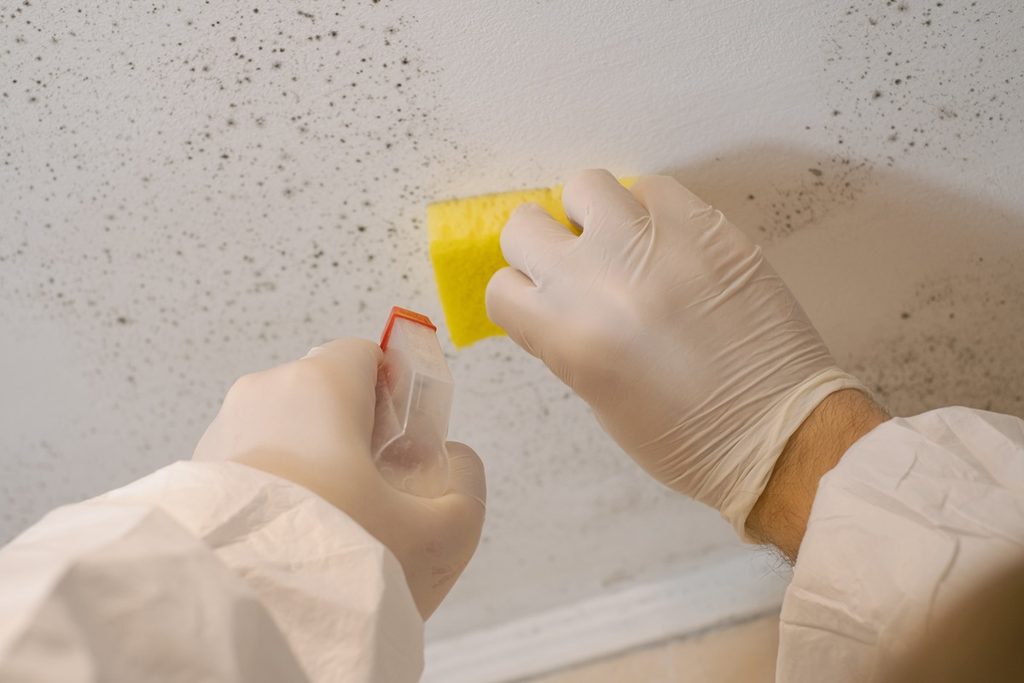
When mold appears after a water event, document it before anyone touches it. Photograph every affected surface, every visible growth pattern, every area that had moisture during the original event. Get a licensed mold inspector in to produce a written assessment that ties the growth to the original water source before remediation begins. Submit that assessment as part of the active water damage claim before any settlement is signed. Once the settlement is signed and the claim is closed, the leverage to add mold remediation costs largely disappears.
What New York City Landlords Need To Know
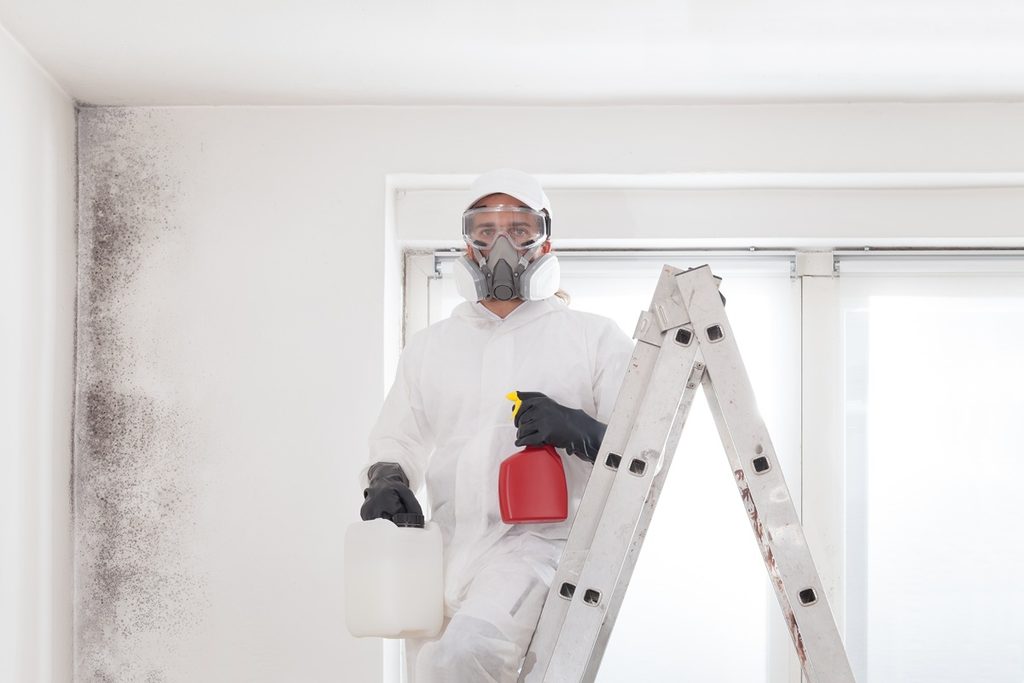
New York City landlords have a legal obligation to address mold regardless of what the insurance policy covers. Local Law 55 requires landlords to keep properties free of mold. The warranty of habitability requires apartments to be fit for human habitation. These obligations do not pause while an insurance dispute runs its course. A building owner whose sub-limit runs out halfway through a remediation job still has to finish the work. The gap between what the policy pays and what the job costs is a building owner expense every time.
If mold showed up after a covered water event and was not included in the settlement, if the sub-limit ran out before remediation was complete, or if the insurer argued the growth was the result of inadequate drying rather than the original loss, find out what your mold claim should have recovered. We handle mold and water damage claims across all five NYC boroughs and throughout New York, New Jersey, Connecticut, and Pennsylvania. Free review, no upfront cost, no fee unless we recover more.