
The mistake most property owners make with mold after water damage is treating it as a separate problem that comes after the insurance claim rather than as part of the same claim that needs to be documented and submitted before anything gets signed.
By the time mold becomes visible, the water damage claim has often already moved into settlement territory. The insurer has an estimate on the table, the restoration work is underway or complete, and the pressure to close out the claim and move on is real. Mold that surfaces at that point gets treated as an afterthought, filed separately if it gets filed at all, and almost always runs into resistance because the connection to the original water event has to be re-established from scratch when it should have been established from the beginning.
The window to get mold properly into a water damage claim is during the claim, not after it.
Document Everything Before Cleanup Begins
The first thing to do after any significant water event before cleanup begins is photograph everything. Not just the obvious damage. Every wall that took water, every floor, every ceiling, every area where moisture traveled. Get close enough that surface conditions are visible. If there is any discoloration, any soft drywall, any musty smell, any early sign of biological growth, photograph it specifically and note the location. That documentation creates the baseline that ties any mold discovered later to the original event.
Get A Licensed Mold Inspector In Early
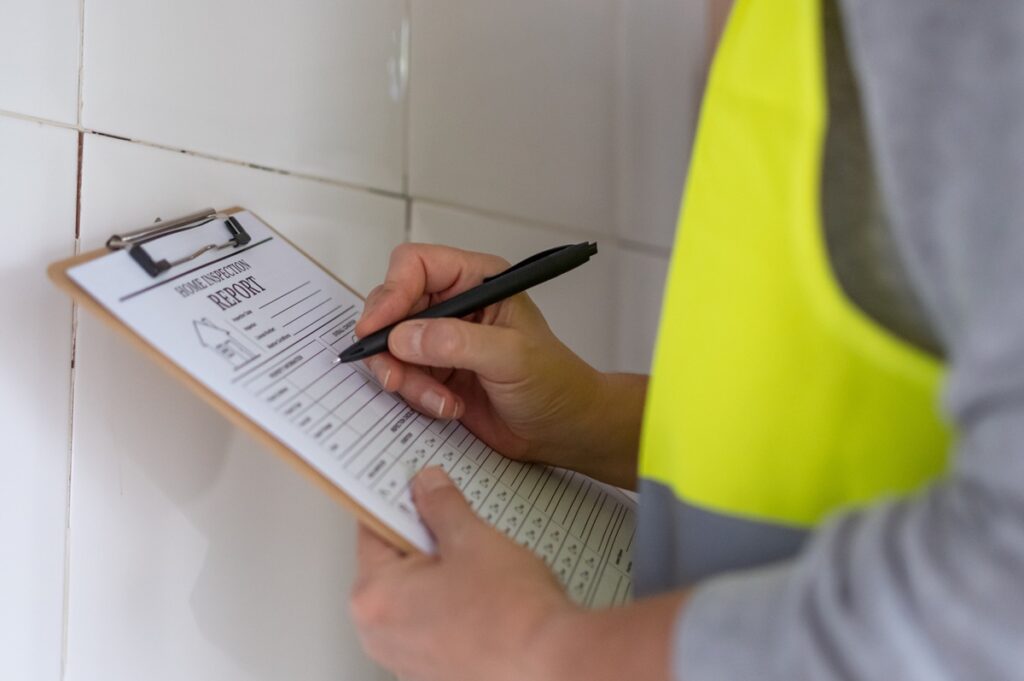
Get a licensed mold inspector in early. Not after the restoration crew has finished and left. As early as possible after the initial water event, ideally while the damage is still visible and before drying equipment has run for several days. A written inspector’s report that documents existing or beginning mold growth, identifies the moisture source, and ties the contamination to the water event is the single most important document in getting mold included in a water damage settlement. Without it, the insurer has room to argue the mold developed from a separate source.

Notify The Insurer In Writing From Day One
Notify the insurer of potential mold in writing as part of the initial claim notification. Not as a separate claim filed weeks later. As an explicit element of the active claim from the beginning. The written notification creates a record that mold was identified as a concern from day one and that the property owner took steps to address it promptly. Prompt action is the standard the policy requires, and establishing it in writing from the start is what protects the coverage.
Get The Restoration Company’s Documentation
The restoration company’s documentation is the other piece most property owners never think to ask for. Every professional restoration company doing work to an insurance standard should be producing daily moisture logs, thermal imaging results, and drying records that show the progression of the drying process across every affected area. Ask for copies of all of it before the crew leaves the job. These records establish whether the original remediation was thorough, which is the argument the insurer will attack if mold appears later. A thorough remediation with thorough documentation is significantly harder to characterize as inadequate than one where the property owner is relying on memory and the restoration company’s word.

What To Submit And How
When submitting the mold component of the claim, be specific about what is being claimed and why. The cost of the initial inspection. The cost of air quality testing if it was done. The cost of remediation itself broken down by affected area. The cost of containment, disposal, and any testing done after remediation to confirm clearance. All of these are legitimate claim elements and all of them need to be submitted with supporting documentation rather than as a single remediation invoice.
Know The Sub-Limit Before Work Starts
The sub-limit is a conversation worth having with the insurer before remediation begins rather than after. Most policies that include mold coverage cap it at a number substantially lower than what real remediation costs in New York. Knowing what the cap is before the contractor starts work lets you prioritize the highest risk areas within the available coverage rather than discovering the limit halfway through the job. A licensed mold inspector who understands the claims process can help structure the remediation scope in a way that applies available coverage to the areas of greatest health and structural risk first.
When The Claim Has Already Settled
Mold that appears after a claim has already settled is a harder situation but not always a hopeless one. If the settlement did not explicitly release mold claims, if new damage has surfaced that was not part of the original scope, or if the connection between the mold and the original event can be established through documentation, there may still be avenues worth pursuing. The statute of limitations in New York runs from the date of loss, not the date of settlement, which gives some property owners more runway than they realize.
Document before remediation begins. Submit mold as part of the active claim. Get the restoration company’s drying records. Know the sub-limit before the work starts. These are not complicated steps. They are just steps that nobody explains to property owners until after the claim is already in trouble.
If mold developed after a water damage event and was not properly included in the claim, if the remediation costs exceeded what the policy paid out, or if you are dealing with a post-settlement mold situation that the insurer says is no longer their problem, our water damage team can review what options remain. We handle mold and water damage claims across all five NYC boroughs and throughout New York, New Jersey, Connecticut, and Pennsylvania. Free review, no upfront cost, no fee unless we recover more.