
Nobody buys an apartment building expecting the third floor washing machine supply line to destroy six units on a Tuesday night. But that is exactly what happens, regularly, in New York City buildings, and the building owners who handle it worst are almost always the ones who assumed their insurance would just cover it.
It does not just cover it. Not all of it… Not even close to all of it, in most cases.
The gap between what a real multifamily water loss costs and what the policy actually pays out is one of the most consistently surprising things building owners encounter when they file their first significant claim. The coverage limit on the declarations page is not the number that matters. What matters is the separate water damage deductible, the mold sub-limit, the sewer backup endorsement that may or may not exist, and how the carrier classifies the loss once their adjuster gets involved.
Why New York Buildings Are So Vulnerable
New York’s apartment buildings are old. That is the context everything else operates in. Aging supply lines, aging lateral sewer pipes, HVAC systems that have been maintained inconsistently for decades, buildings where the original plumbing has been patched so many times nobody knows what is original anymore. This is the infrastructure that fails, and when it fails in a six story building with thirty units, it does not fail quietly.
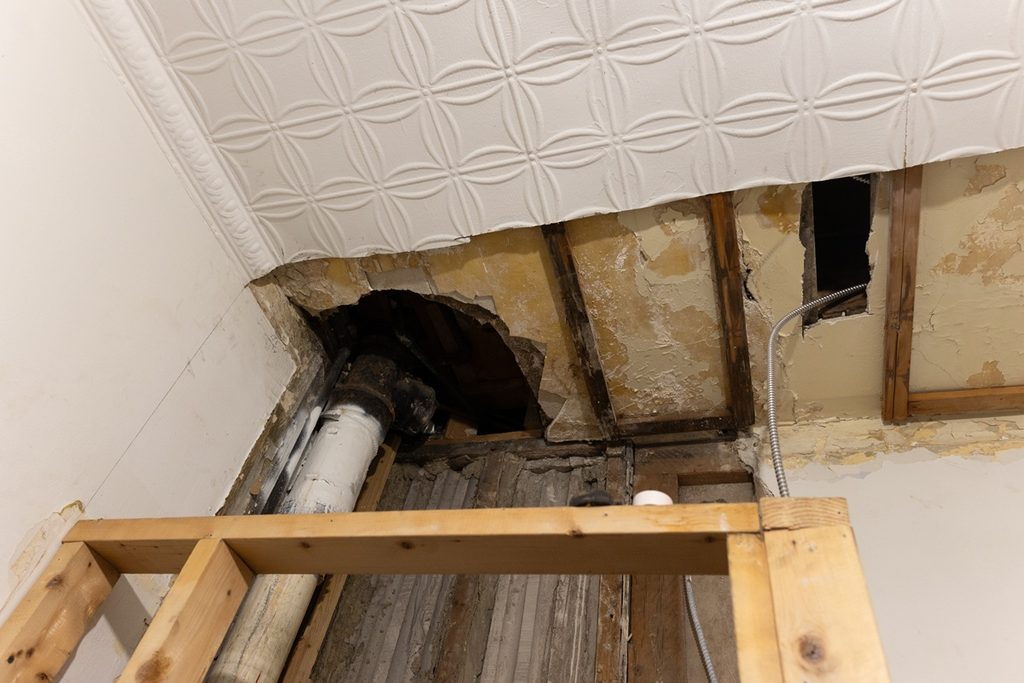
A supply line that lets go on the third floor at full water pressure and runs for ninety minutes before anyone finds the shutoff does not damage one unit. It damages four. Six. Sometimes more, depending on the building’s layout and how the water traveled. Every unit below the source is a separate covered loss, a separate scope of damage, a separate negotiation with the carrier about what is included and what is not. The cascade effect is what turns a single point failure into a six figure claim, and the carrier’s adjuster is going to be looking for ways to narrow that scope from the moment they walk in.
The Mold Sub-Limit Problem
The mold sub-limit is where building owners consistently get hurt the worst. Most apartment building policies cap mold coverage somewhere between fifteen and fifty thousand dollars. Real mold remediation in a New York City building after a significant water event costs real money, and it frequently exceeds that cap before the contractor is halfway through the affected units. Everything above the sub-limit is the building owner’s expense. The carrier is done at the limit regardless of what the actual remediation requires.
The Endorsement Most Building Owners Don’t Have
Sewer backup is the endorsement most building owners discover they do not have after they needed it. The base property policy excludes it. It requires a specific rider, and in New York City buildings where aging lateral lines and municipal system overflows are not hypothetical risks but eventual certainties, not having that endorsement is a significant exposure. There is no partial coverage without it. The loss is simply not covered.
The First 48 Hours
The first two days after a water loss matter more than everything that comes after. The documentation window closes fast. Once restoration crews start cutting walls and extracting water, the visual record of what the damage actually looked like disappears. The adjuster who arrives after that process has started writes an estimate based on what they see, not what was there. Photographs and video taken before anyone touches anything, including a close shot of the source of the failure before any repair work alters it, are the foundation the entire claim is built on.
Damaged materials go in bags, not the dumpster. The carrier needs to verify what was destroyed to validate the loss. Tenants in affected units that are not safe need to be relocated and the offers need to be in writing. The restoration company needs to be on site fast because the policy requires prompt mitigation and delay gives the carrier grounds to deny secondary damage.
Co-Ops And Condominiums
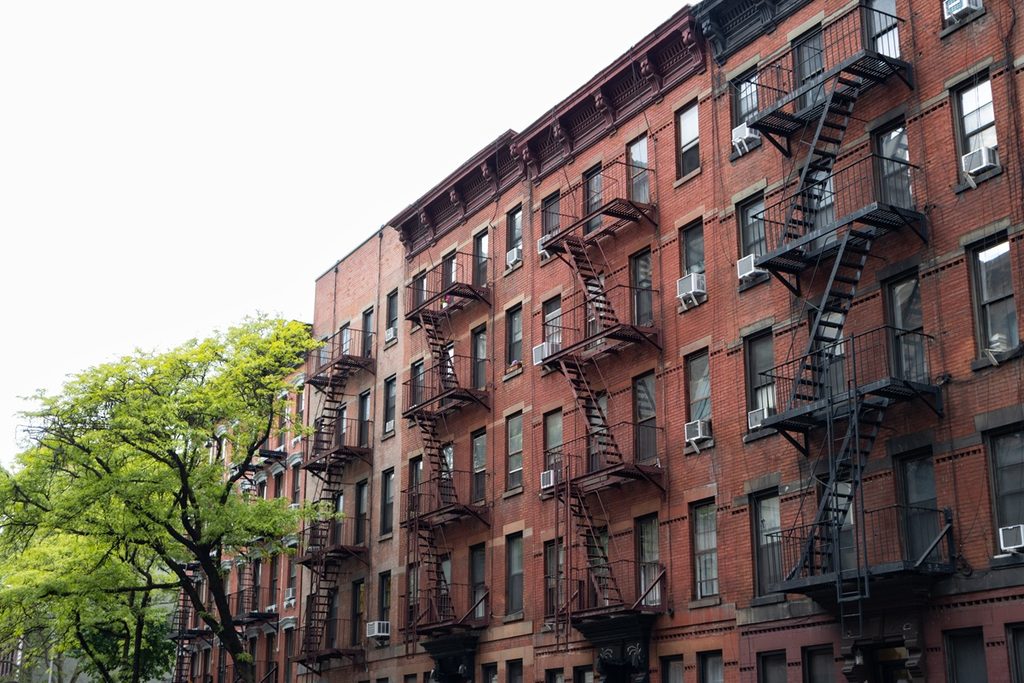
Co-op and condo buildings have the master policy sitting on top of everything else, covering the structure and common elements while individual HO-6 policies cover unit interiors to varying degrees depending on the governing documents. When a water loss hits multiple units in a co-op, the allocation of damage between the master policy and the individual unit policies is not a question building management answers neutrally. They have their own relationship with the building’s insurer and their own interests in how the claim gets characterized. The governing documents determine what is covered under which policy, and those documents need to be read by someone working on your behalf before any coverage determination gets accepted.
The Mold Risk That Shows Up Later
According to FEMA, mold colonies begin forming within 24 to 48 hours of excessive moisture exposure. In a dense New York City building, water trapped in wall cavities and under flooring after a multi-unit loss creates conditions for growth that may not show up until weeks after the initial claim scope has been set. A claim that closes before the full drying process is confirmed leaves the building owner managing a separate mold dispute later with the additional burden of re-establishing the connection to the original covered event. The FEMA mold guidance at fema.gov covers what property owners should know about mold exposure and remediation after a water event.
If your apartment building water claim settled for less than the full scope of the loss, if the mold sub-limit ran out before actual remediation costs were covered, or if a sewer backup was denied because the endorsement was not there, our team handles multifamily water damage claims across all five NYC boroughs and throughout New York, New Jersey, Connecticut, and Pennsylvania. Free review, no upfront cost, no fee unless we recover more.