
Most people call their insurance company first. That is the wrong move, and it sets up a claim where the insurer’s adjuster controls the narrative before you have had a chance to build one of your own.
The sequence matters more than most policyholders realize. What gets documented, when it gets documented, and what gets said to whom in the first few hours of a burst pipe situation directly affects what the claim pays out weeks later. Not because the insurance company is watching in real time, but because the record you build or fail to build in those hours is what every subsequent conversation is based on.
Shut The Water Off First
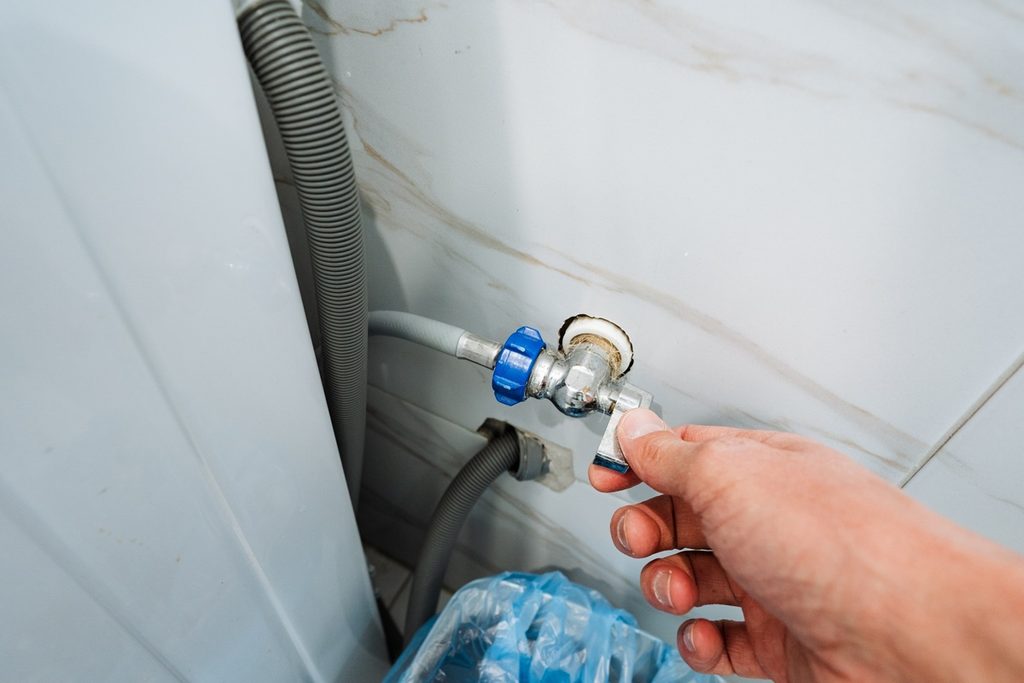
Shut the water off before anything else. Find the main shutoff valve and turn it. In a New York City building this is sometimes inside the unit, sometimes in a hallway mechanical room, sometimes in the basement and requires the superintendent. Every minute the water runs is more saturation moving into wall cavities, under flooring systems, and through insulation toward the unit below. Note the time you shut it off. Insurers track response timelines, and a policyholder who cannot say when they stopped the source looks like someone who let damage accumulate unnecessarily.
Document Before Cleanup Starts
This is the most commonly skipped step and the one with the biggest impact on claim outcome. The instinct after a burst pipe is to get towels down and start pulling wet things out. Do not do that yet. Film everything first. Wide shots of every room that took water, close shots of the source, the ceiling where it came through, the walls, the floors, the baseboards. Film the standing water and how far it spread. Film your damaged contents with anything that identifies them visible. Get the water line on the walls on camera specifically, because that line tells the insurer how bad it actually was at its worst and it disappears the moment the walls dry out.
A written inventory of damaged contents belongs on paper while the loss is still in front of you. What was damaged, what it cost, when it was purchased. Reconstructing that from memory weeks into a claim negotiation is a losing exercise.
Get A Plumber’s Written Report Before You Call The Insurer
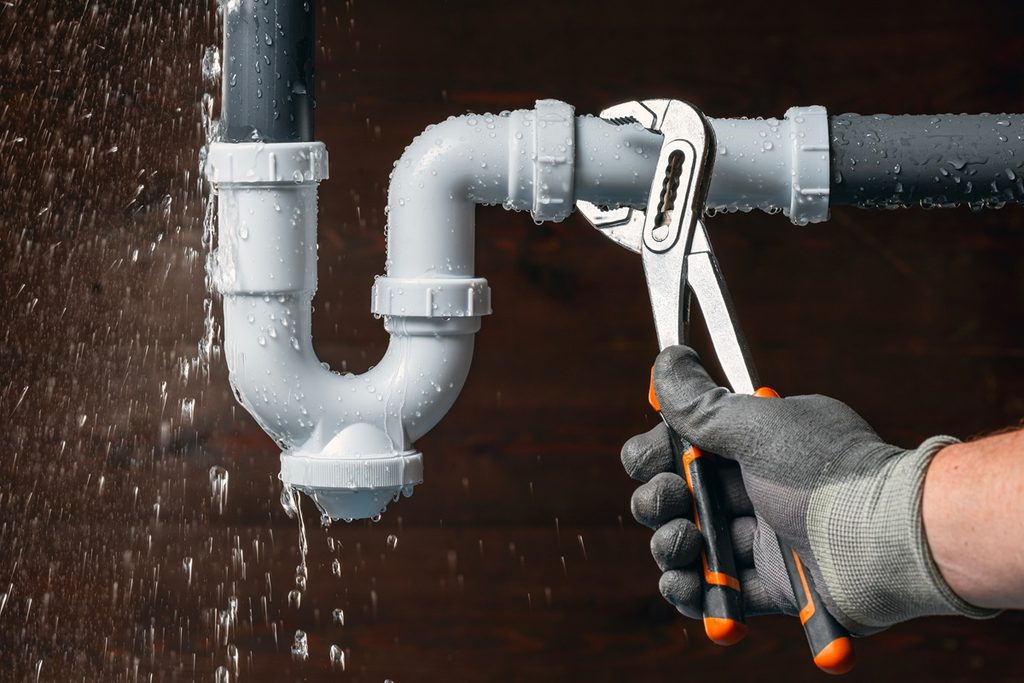
Get a licensed plumber in to assess the pipe and produce a written report before you call the insurance company. That report needs to address the cause of the failure specifically, whether it was sudden and accidental or showed signs of gradual deterioration. That distinction is the foundation of the entire coverage question. Standard homeowner and dwelling policies cover sudden and accidental discharge. They exclude gradual damage, maintenance neglect, and the pipe itself. The pipe replacement almost never gets covered. The damage the pipe caused usually does. But only if the failure can be established as sudden, and only if there is documentation supporting that characterization before the insurer’s adjuster has set their own version of events.
Then call the insurance company. Keep the first call short. Date, nature of the damage, your contact information. Nothing else. Do not speculate about the cause of the failure. Do not mention the age of the pipes. Do not say anything that sounds like the problem had been developing for a while, because anything said on a recorded intake call becomes part of the claim file and gets used later.
What Your Policy Actually Covers
Something worth knowing that most policyholders never hear about until it is too late: an increasing number of policies now contain provisions that specifically deny coverage if a leak has been ongoing for fourteen or more days. The argument is that damage qualifying under this clause is gradual rather than sudden, and therefore outside standard coverage. Insurers apply this most aggressively to slow leaks behind walls or under flooring, exactly the type of damage that is hardest to detect and easiest to miss. Warning signs like discolored drywall, soft flooring, bubbling paint, warped woodwork, persistent musty smell, or unexplained water stains anywhere in the property are reasons to investigate and report immediately rather than wait for a full failure.
| Scenario | Typically Covered | Typically Not Covered |
|---|---|---|
| Sudden pipe burst | Water damage to walls, floors, ceilings, contents | The pipe itself, pre-existing damage |
| Pipe burst in vacant property | Properly maintained and heated unit | Unheated or improperly winterized property |
| Leak ongoing 14 or more days | Often disputed | Gradual damage exclusion frequently applies |
| Mold after burst pipe | If reported promptly and tied to covered event | Delayed remediation, neglected moisture |
| Sewage or drain backup | If water backup endorsement exists | Standard policy without the rider |
| Additional living expenses | If home is uninhabitable during repairs | If home remains habitable |
When The Insurer’s Adjuster Arrives
When the insurer’s adjuster comes to inspect, be present. Walk through every area of damage with them. Point out what is not visible on the surface. Moisture in walls that have not shown through yet. Subfloor damage under intact-looking flooring. HVAC components that took water. Contents losses. None of these make it into the claim automatically. An adjuster who walks through alone writes an estimate based on what they noticed, and that is reliably less than what is actually there.
| What They Assess | What They Are Looking For |
|---|---|
| Cause of loss | Sudden and accidental vs. gradual or neglected |
| Mitigation | Did the policyholder act promptly to stop further damage |
| Documentation | Complete timestamped photos and reports vs. gaps in evidence |
| Scope | Minimum defensible repair vs. full restoration cost |
| Depreciation | Age and condition of damaged materials |
The Estimate Is A Starting Point
The estimate that comes back is a starting point. It is not a number you are required to accept. Compare it against what independent contractors say the repairs will actually cost. Look at whether depreciation was applied in ways your policy does not support, particularly if you have replacement cost coverage. Look for categories that are simply missing. These gaps are normal. They are also worth disputing before anything gets signed.
What Happens After: The Mold Problem Nobody Warns You About
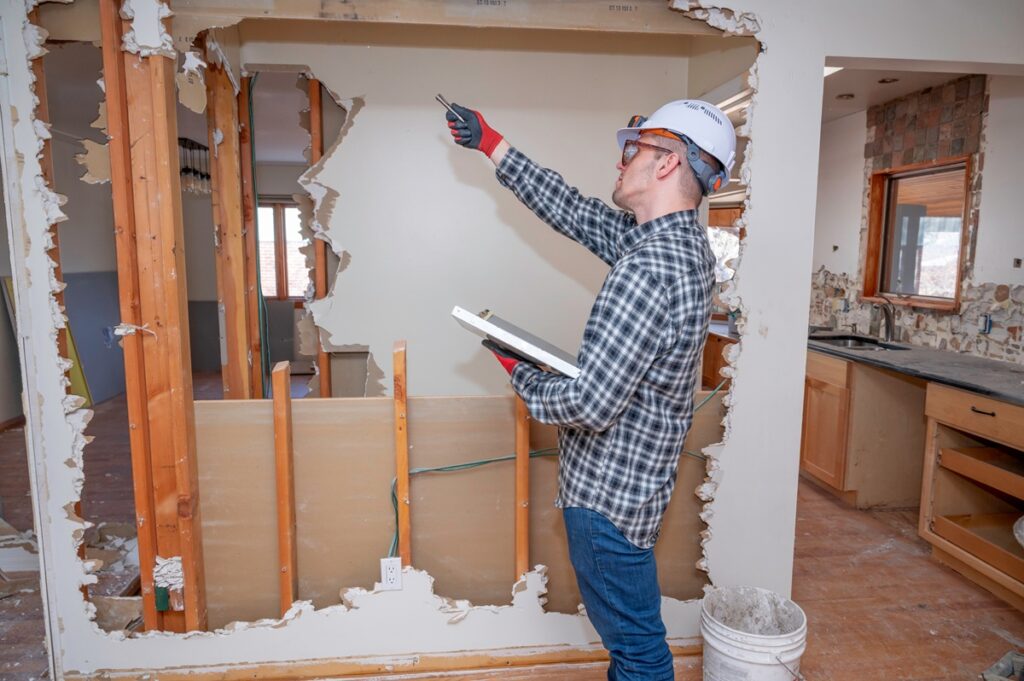
Mold is where a lot of burst pipe situations get complicated after the fact. According to FEMA, mold colonies begin forming within 24 to 48 hours of excessive moisture exposure. In dense construction with shared walls, packed insulation, and subfloor systems that hold moisture, water that was not fully dried out creates conditions for growth that may not show for weeks after the original claim was filed.
If remediation was incomplete, or if the insurer pushed to close the claim before drying was confirmed, mold that appears later becomes a separate and frequently disputed coverage question. Document any mold the moment it is visible, before remediation begins, and keep every record of what the remediation involved. The FEMA mold guidance at fema.gov is worth reading for anyone dealing with post-water damage moisture concerns.
If your burst pipe claim was denied on gradual deterioration grounds, if the settlement does not cover what your contractor says repairs will cost, or if mold has developed in areas that were not fully addressed in the original scope, learn how we handle water damage claims. Direct Public Adjusters serves all five NYC boroughs and throughout New York, New Jersey, Connecticut, and Pennsylvania. No upfront cost, no fee unless we recover more than what you have already been offered. Call us 24/7.