
Your insurer is not going to tell you upfront that the reason they are dragging their feet on your roof leak claim is because they think your roof was already failing before the storm hit. They are going to send an adjuster, that adjuster is going to spend an hour on your property, and a few weeks later a number is going to come back that does not match what your contractor told you the job costs. Sometimes the number is low. Sometimes there is a denial letter instead.
In New York, roof leak claims fail more often on the pre-existing condition argument than on anything else. The housing stock is old, the roofs are old, and every time a storm moves through and a homeowner files a claim, the insurer’s adjuster shows up looking for evidence that the damage was there before the weather arrived. Granule loss on shingles. Flashing that shows corrosion. Staining patterns around vents that suggest the moisture problem was not new. Any of these becomes the basis for an argument that the water got in through a maintenance failure rather than a storm-caused opening, and once that argument takes hold the claim is in trouble.
What Your Policy Actually Covers
The policy covers water intrusion when a sudden covered event creates the opening. Wind pulling up shingles during a nor’easter. A tree coming down on the roof deck. Hail punching through materials that were intact before the storm showed up. What it does not cover is rain finding its way through a roof that was already compromised, because the insurer’s position is that the homeowner’s responsibility to maintain the property includes maintaining the roof, and if the roof was in poor condition before the storm, the storm is not what caused the damage.
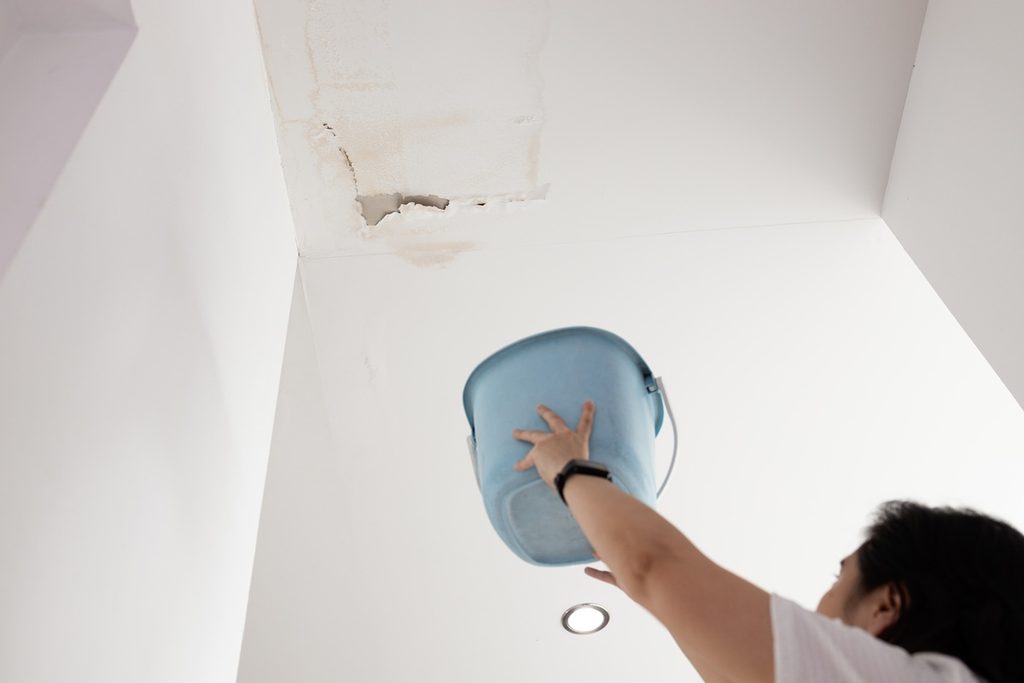
That position is not always wrong. But it gets applied to claims where it is not right either, and the difference between a legitimate denial and an aggressive one that should be challenged comes down to what the roof actually looked like before the storm hit. A pre-storm inspection report from a roofing contractor that shows the roof in reasonable condition is the single strongest counter to a pre-existing condition denial. Weather data that documents the severity of the event on the specific date of the loss supports it further. Without those two things, you are essentially arguing your word against the adjuster’s interpretation of what they saw when they walked the roof after the fact.
| Scenario | Typically Covered | Typically Not Covered |
|---|---|---|
| Wind removes shingles, rain enters | Interior water damage from the opening | Roof repair if pre-existing wear contributed |
| Tree or branch falls on roof during storm | Full interior and structural damage | Pre-existing damage unrelated to the impact |
| Hail damages roofing materials | Water intrusion resulting from hail compromise | Gradual deterioration that predated the storm |
| Rain enters through aging roof with worn shingles | Disputed, often denied | Pre-existing maintenance failure |
| Ice dam forces water under shingles | Covered when sudden intrusion occurs | Damage from long-term ice dam buildup |
| Skylight or flashing failure during storm | Covered if failure was storm-caused | Cracked sealant or corrosion predating storm |
What Goes Into The Claim Scope
What goes into the claim scope is another area where policyholders consistently leave money on the table. A roof repair is one thing. But water that came through a compromised roof did not stay at the ceiling level. It moved through insulation, into ceiling joists, down interior walls, under flooring, and through any building system it encountered along the way. All of that is part of the covered loss if the roof failure was a covered event. Insurer estimates that address only the visible ceiling staining while ignoring what happened inside the structure are incomplete, and incomplete estimates are worth pushing back on before any settlement gets accepted.
Co-ops And Condominiums
Co-ops and condominiums add a dimension that does not exist in single-family claims. The roof is a common element in most New York City residential buildings, which means it falls under the building’s master insurance policy rather than the individual unit owner’s policy. When a roof failure causes damage to units below, there are multiple policies involved, potentially multiple adjusters, and a building management structure that has existing relationships with its own insurers. That structure is not working on your behalf. Getting clarity on what the master policy covers versus what your HO-6 covers, and making sure both are responding to the full scope of what the damage actually was, requires someone who is specifically looking out for your interests.
The Documentation That Makes The Difference
| Documentation | Why It Matters |
|---|---|
| Pre-storm roof inspection report | Establishes condition before the weather event |
| Weather verification data | Confirms severity of storm on the specific date |
| Photos before and after the storm | Separates storm-caused from pre-existing damage |
| Contractor damage assessment | Documents the cause of the specific roof failure |
| Moisture readings inside the structure | Captures hidden damage beyond what is visible |
| Remediation records | Protects against mold disputes after the claim closes |
The Mold Problem That Shows Up Later
Something that comes up regularly in roof leak situations is what happens in the weeks after the initial damage gets addressed. Water that was not fully dried out of ceiling cavities, insulation, and wall assemblies creates conditions for mold growth that may not be visible until well after the claim has been filed. According to FEMA, mold colonies begin forming within 24 to 48 hours of excessive moisture exposure. A claim that closes before the full scope of hidden moisture is confirmed creates the conditions for a separate mold dispute down the road, and those disputes are harder to win because the connection to the original covered event has to be established all over again. Document any mold the moment it appears, before remediation starts, and keep every record of what the remediation process involved. The FEMA guidance on mold at fema.gov covers what property owners should know about exposure and remediation.
If your roof leak claim was denied on pre-existing condition grounds, if the settlement does not reflect the full interior damage the water caused, or if mold has appeared after a roof water event that was not fully remediated, our water damage claims team at Direct Public Adjusters will review it at no cost. We handle claims across all five NYC boroughs and throughout New York, New Jersey, Connecticut, and Pennsylvania. No fees unless we recover more than what you have already been offered!