
Accepting the first settlement offer your insurance company makes is one of the most common and most costly mistakes New York policyholders make. That first number is not a final determination of what your policy owes you. It is an opening position, calculated by an adjuster working from pricing software that consistently underestimates what repairs cost in this market, reviewed by a claims team whose job is to resolve claims for as little as possible. You are not required to accept it, and in a significant number of cases, pushing back produces a materially better outcome.
Here is how to dispute an insurance claim settlement in New York, what your options are at each stage, and what actually works.
Start by understanding exactly what you received. The insurer’s written estimate is a document with line items, quantities, and unit prices. Read every line. Compare the scope of what is in the estimate against the scope of what you know was damaged. Are contents losses included? Additional living expenses if you were displaced? Mold remediation connected to the water event? Business interruption if the property is commercial? These categories belong in the claim under most standard policies and they get left out with regularity. A settlement you cannot evaluate line by line is a settlement you cannot dispute effectively.
Get An Independent Contractor Estimate
Get an independent contractor estimate before you do anything else. This is your most important piece of evidence in any dispute. A licensed contractor who has inspected the property and produced a written estimate of what repairs will actually cost in the current New York market gives you a concrete number to work from. The gap between that number and what the insurer offered is the dispute. Without it you are arguing in the abstract. With it you have documentation.
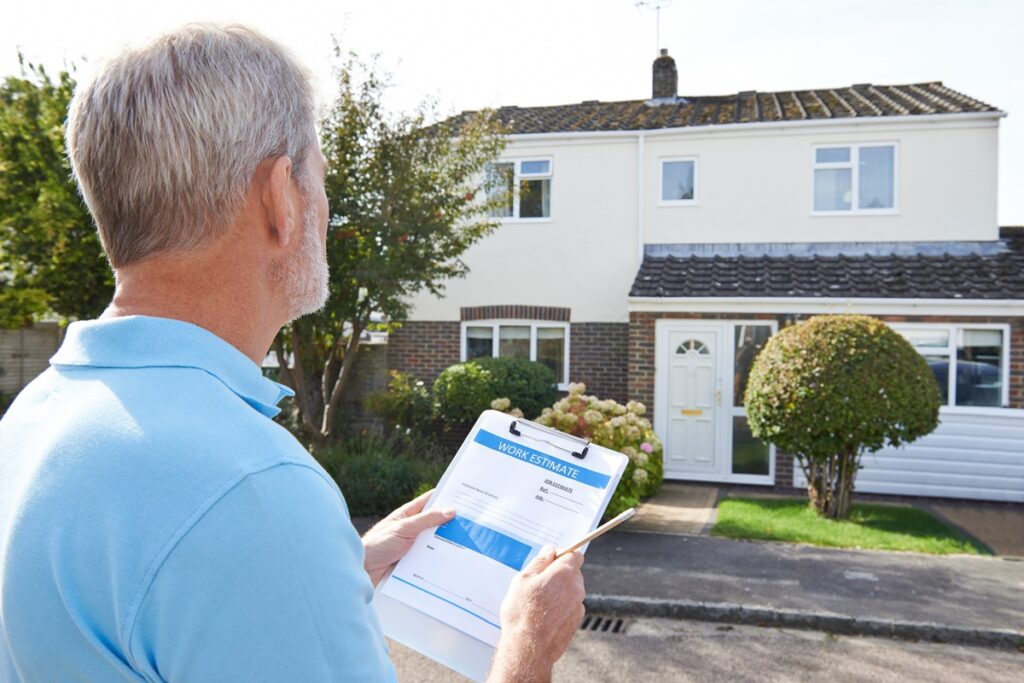
Submit Your Counter In Writing
Submit the contractor estimate to the insurer formally and in writing. Not in a phone call, not in a conversation with the adjuster on site. In writing, with a cover letter that identifies the specific line items in the insurer’s estimate that you believe are incorrect or incomplete, the contractor’s assessment that contradicts them, and a request for a revised estimate that accounts for those discrepancies. Keep copies of everything. The written record matters if the dispute escalates.
Request A Re-Inspection
Request a re-inspection if the scope of the original inspection was inadequate. If the adjuster spent two hours on a significant loss, missed hidden damage that your contractor found, or did not inspect certain areas of the property, a re-inspection request is appropriate and the insurer is generally required to conduct one. Make the request in writing and be specific about what was missed and why a second look is warranted.
If the insurer responds to your counter with a revised estimate that still does not reflect the full scope of the loss, or if they refuse to move meaningfully from their original position, you have several formal options.
Invoke The Appraisal Clause
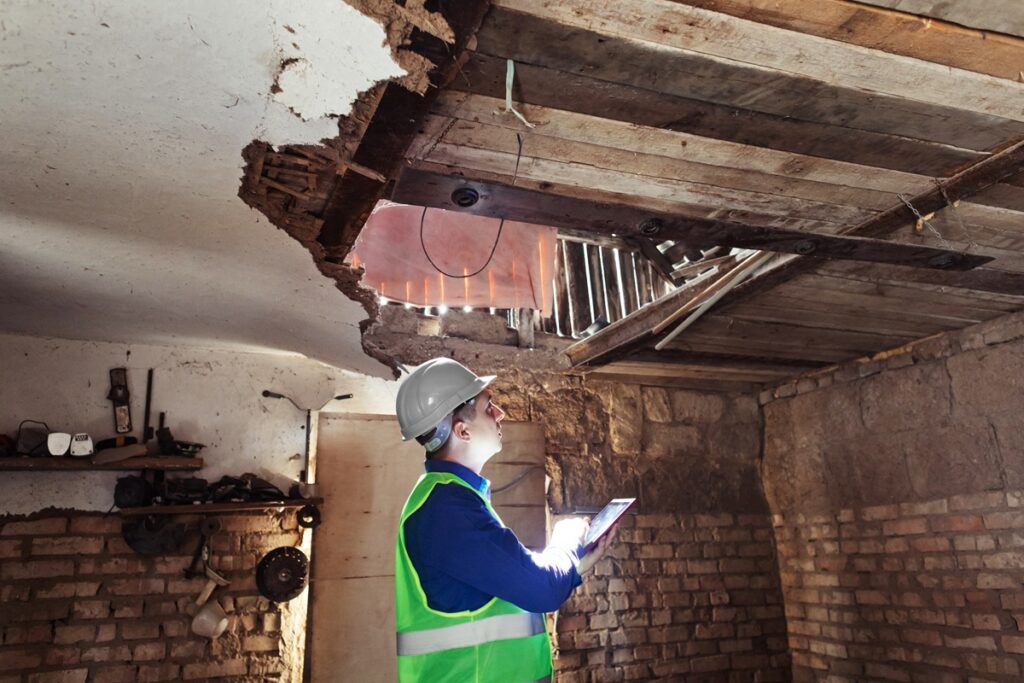
The appraisal clause is the most powerful and least used tool available to New York policyholders in a settlement dispute. Most property insurance policies include it. It works like this. Either party can invoke appraisal when they cannot agree on the amount of loss. You appoint a competent independent appraiser. The insurer appoints one. The two appraisers select a neutral umpire. The panel evaluates the loss and issues a binding award. It does not require a lawyer. It does not require litigation. It moves faster than a lawsuit and costs less. And it regularly produces awards significantly higher than what the insurer originally offered because it removes the insurer’s adjuster from the equation entirely. If your policy contains an appraisal clause and the dispute is significant, invoking it is almost always worth doing.
File A Complaint With The New York DFS
Filing a complaint with the New York State Department of Financial Services is another option that most policyholders overlook. The DFS regulates insurance companies operating in New York and has the authority to investigate complaints and compel responses. Filing a complaint does not resolve your claim directly, but it creates a formal record of the dispute and sometimes produces movement from an insurer that has been unresponsive to direct negotiation. It is free, it takes thirty minutes, and it signals to the insurer that you are not going away.

Challenging A Denial
If the dispute involves a denial rather than a low settlement, the process is similar but the starting point is different. A denial letter should cite specific policy language as the basis for the denial. That language is what gets examined. The question is whether the exclusion cited actually applies to the facts of your loss. If it does not, the denial can be formally challenged through a written rebuttal that documents why the cited exclusion does not apply and why the loss is covered. If the investigation that led to the denial was inadequate, that is also grounds for challenge.
Document Everything And Watch The Clock
Throughout any dispute, document everything and communicate in writing wherever possible. Keep a log of every phone call with the insurer including the date, the name of the person you spoke to, and what was said. Save every piece of correspondence. The written record is what protects you if the dispute escalates beyond negotiation.
The timeline matters. New York law generally gives policyholders two years from the date of loss to bring legal action against an insurer, though some policies contain shorter contractual deadlines. The clock does not pause while you are negotiating. Getting a formal dispute process moving sooner rather than later preserves your options.
How A Public Adjuster Changes The Dispute
A public adjuster changes the dynamic of every stage of this process. They build the independent documentation, submit the formal counter, manage the re-inspection request, invoke appraisal when it is warranted, and negotiate directly with the insurer from a position of expertise rather than hope. Their contingency fee structure means there is no upfront cost and no payment unless they recover more than the insurer’s existing offer.
If your New York property damage settlement does not reflect what your repairs will actually cost, or if a denial has come back that you do not believe is legitimate, reach out to Direct Public Adjusters for a free claim review. We serve all five NYC boroughs and throughout New York, New Jersey, Connecticut, and Pennsylvania. No fee unless we get you more.