
There is a provision sitting inside most New York property insurance policies that can resolve a settlement dispute faster than litigation, cheaper than hiring an attorney, and without ever setting foot in a courtroom. Insurance companies almost never mention it. The provision is called the appraisal clause, and for policyholders who have been offered a settlement that doesn’t come close to covering what their repairs will actually cost, it is one of the most useful tools that exists.
Here is what it is, how it works, and when to use it.
The appraisal clause is a built-in dispute resolution mechanism. It applies to one specific type of disagreement — situations where both sides agree the loss is covered but cannot agree on how much it is worth. If your insurer has denied the claim outright and is arguing that the loss is not covered at all, appraisal does not resolve that. What it resolves is the dollar amount. You say the damage costs one hundred and twenty thousand dollars to repair. The insurer says sixty thousand. That is a dispute appraisal is designed to settle.
The mechanics are straightforward. Either the policyholder or the insurer can invoke appraisal by sending written notice to the other side. Each party then selects an independent appraiser. The two appraisers try to agree on the amount of the loss. If they cannot, they jointly select a neutral umpire. Any two of the three reaching agreement produces a binding award. Both parties are required to accept it. No judge, no jury, no years of waiting.
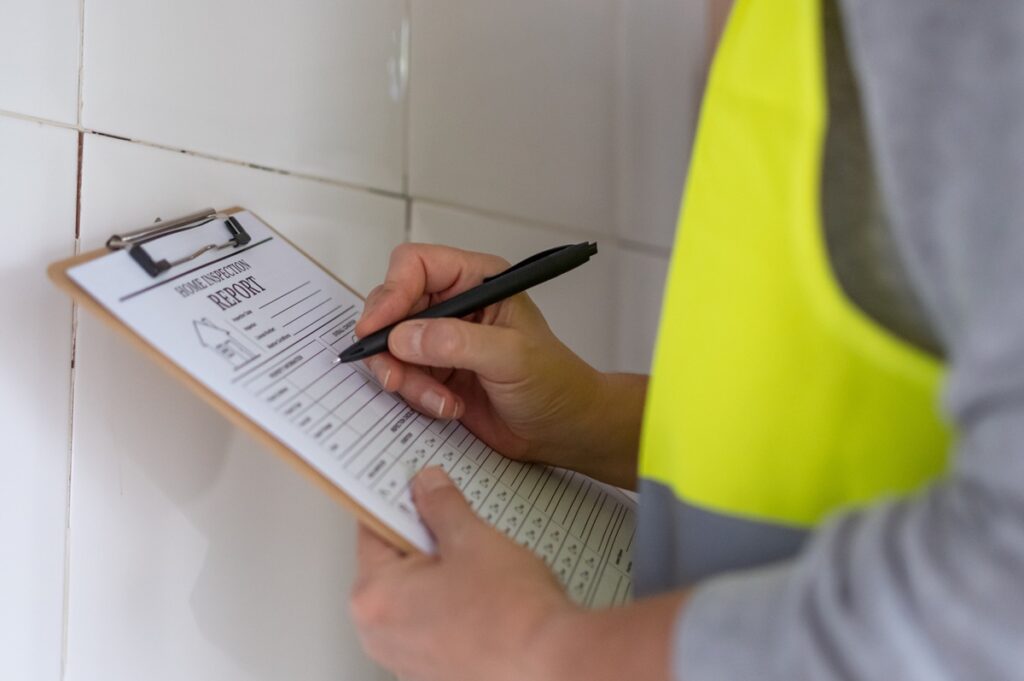
What consistently happens in appraisal is that awards come in higher than the insurer’s original offer. The reason is structural. The insurer’s adjuster, who approaches every line item from the perspective of paying as little as possible, is removed from the process entirely. What replaces them is a panel whose job is to determine what the loss actually cost. When the documentation is thorough and the appraiser selected by the policyholder is experienced, the result reflects the real scope of the loss rather than the insurer’s preferred version of it.
The disputes where appraisal works best are exactly the ones that are most common. The insurer prices a roof replacement at forty thousand dollars and two independent contractors say it costs ninety. Hidden water damage found during remediation was not included in the original estimate. Aggressive depreciation on a replacement cost policy left the initial payment well below what was actually owed. Appraisal cuts through all of it without requiring anyone to prove bad faith or argue legal theory.
When Does Appraisal Work Best
The appraiser selected by the policyholder is the most important variable. Competent and impartial is the standard the policy sets, and in practice that means someone with real expertise in property damage valuation. A public adjuster can serve in this role or can work alongside a designated appraiser. Either way, the person presenting the loss needs to know how to build and defend a thorough damage assessment.
The timing of invoking appraisal matters because most policies set procedural requirements that have to be followed exactly. Missing a step or invoking appraisal in the wrong sequence can create complications. Reading the specific appraisal provision in the policy before doing anything is not optional.
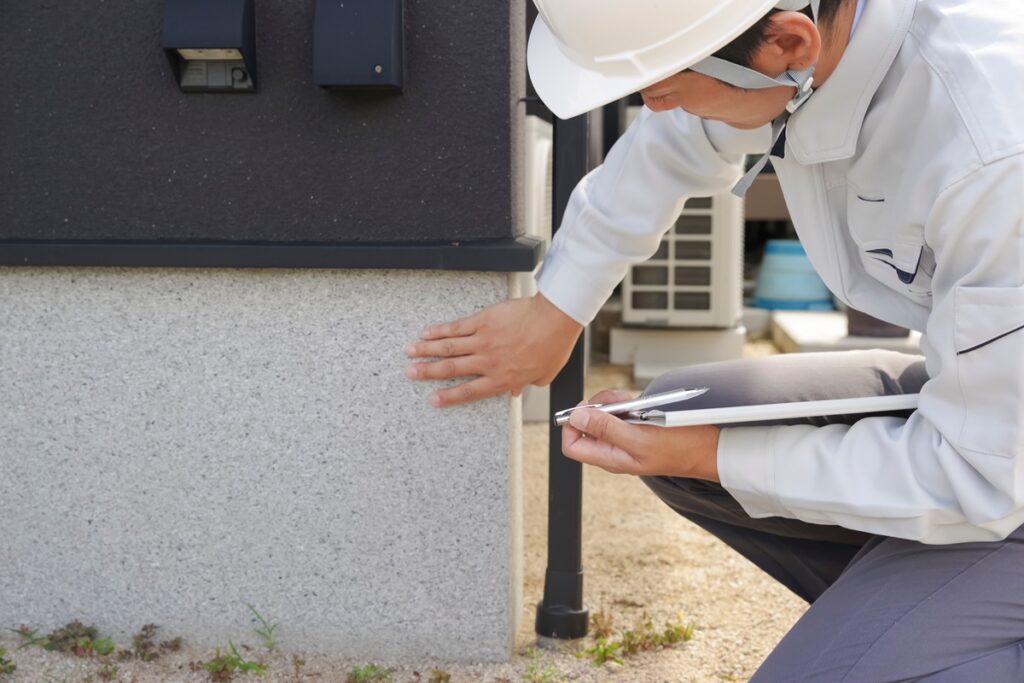
The documentation brought into appraisal determines the outcome. Independent contractor estimates, public adjuster assessments, moisture readings, engineering reports, photographs taken before cleanup, expert opinions on cause of loss. The evidentiary record built before appraisal begins is what the panel works from. A well-documented loss produces a well-supported award.
What Does Appraisal Cost?
The cost is shared and modest compared to litigation. Each side pays their own appraiser. The umpire fee is split equally. For a dispute involving tens of thousands of dollars in contested losses, the cost of appraisal is almost always worth it.
Is Appraisal Right For Your Claim
If your New York property damage settlement does not reflect what repairs will actually cost and direct negotiation with the insurer has not moved the number, invoking the appraisal clause is worth serious consideration. The process is faster, cheaper, and more predictable than litigation, and the outcomes consistently favor policyholders who come in with thorough documentation and experienced representation.
To understand whether appraisal makes sense for your specific situation, contact Direct Public Adjusters for a free review. We work with policyholders across all five NYC boroughs and throughout New York, New Jersey, Connecticut, and Pennsylvania. No upfront cost, no payment unless we recover more than what the insurer has already offered. See how we handle underpaid claims in New York.