
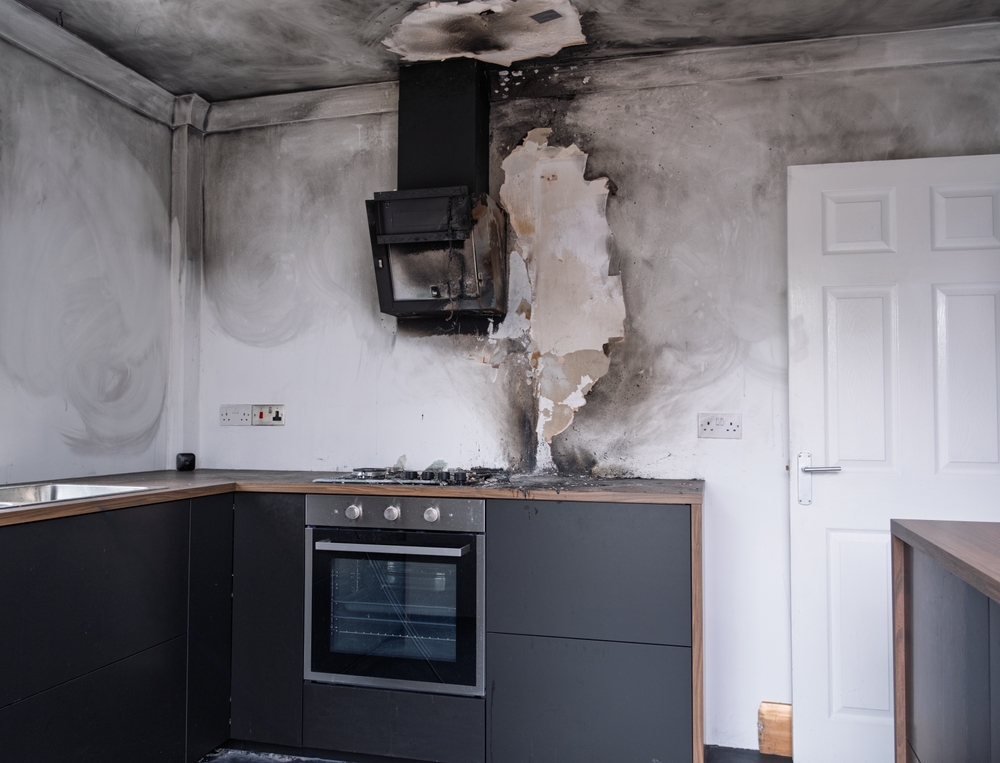
The room that burned is the easy part of a fire claim. Everyone can see it. The harder part is the rest of the property, where nothing looks wrong until you open a closet and every shirt smells like a campfire.
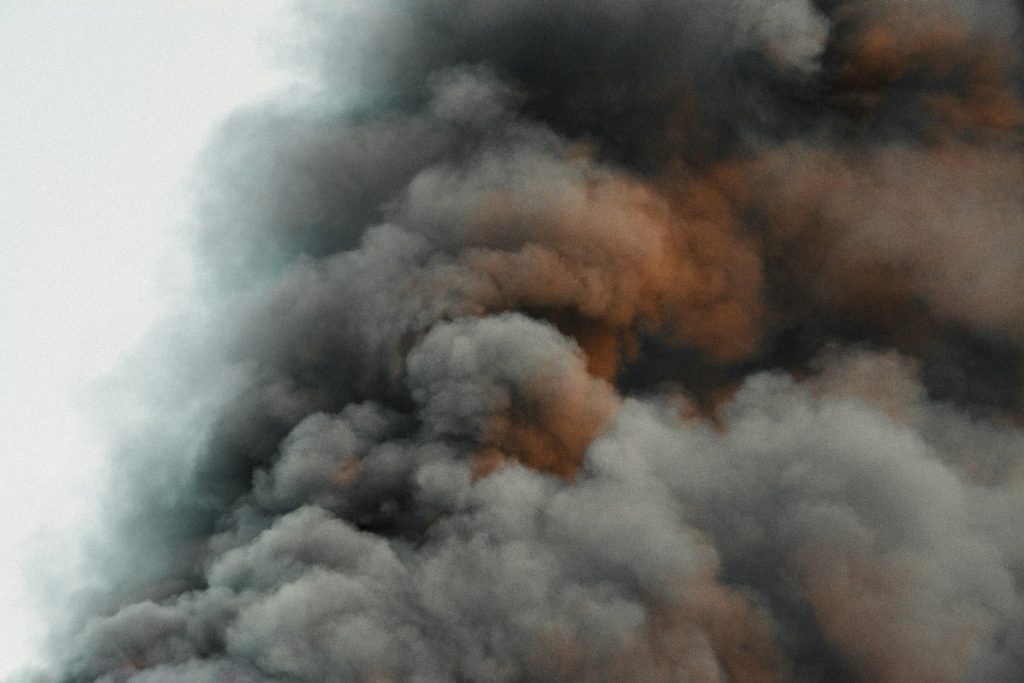
Smoke goes places fire never reached. It rides the air through HVAC ducts, climbs wall cavities, moves along ceiling joists, and settles in every room that shares air with the fire. The first adjuster visit tends to focus on what is visibly burned, so the first estimate often lands somewhere between a scorched kitchen and a repainted house. Neither one is the real loss.
If you have been handed a number and something about it feels low, this is where to look first.
How Smoke Actually Travels
Heat pushes smoke upward and outward, and it keeps moving long after the flames are out. In a house, that means attics, upper floors, and any room connected by ductwork or open stairwells. In an apartment or multi-family building, it means shared walls, shared shafts, and neighboring units that never saw a flame. A fire in one unit can leave smoke damage two floors up and three doors down.
What makes it hard to price is that smoke leaves different damage depending on what burned. Some fires leave dry, powdery soot that wipes away. Others, especially fires involving plastics, grease, or synthetic materials, leave a sticky, smeared residue that spreads when you try to clean it and bonds to whatever it lands on. Two houses with the same fire can need completely different cleanup.
Why The First Estimate Misses It
An adjuster walking a property for an hour writes what can be seen and measured. A film of soot on a wall can be wiped and look clean while the residue underneath has already bonded to the surface. Odor lives in porous materials like insulation, upholstery, carpet padding, and the paper facing on drywall, and odor does not show up in a photograph.
When the estimate treats smoke as a surface cleaning problem, it prices a wipe down for damage that may require removal and replacement. Cleaning costs less than replacing, so the estimate leans that way. The policyholder usually finds out when the smell comes back weeks later, and by then the claim may be closed.
Cleaning Versus Replacing
This is where most of the money sits, so it helps to understand how the decision gets made. The table shows how these materials commonly sort out, though the real answer depends on how long the material was exposed and what burned.
| Material | Often Cleanable | Often Needs Replacement |
|---|---|---|
| Hard surfaces like tile, metal, glass | Usually, if cleaned promptly | If etched or corroded by residue |
| Painted drywall | Light soot, with sealing | Heavy soot or lingering odor |
| Insulation | Rarely | Usually, once it has absorbed smoke |
| Carpet and padding | Carpet sometimes | Padding almost always |
| HVAC ductwork | Sometimes, with professional cleaning | When contamination is widespread |
| Upholstered furniture | Depends on exposure | Heavy odor or residue |
Insurers tend to choose the cleaning line for everything because it costs less. If the smell returns after cleaning, the original decision was wrong, and you can push back on it, ideally before the claim closes.
The Places That Get Skipped
The HVAC system is the biggest gap. If it was running when the fire started, or the air handler pulled smoke through the house afterward, the ducts are contaminated, and that can turn a one room fire into a whole house cleanup. Attics and wall cavities come next, since smoke settles there and nobody looks. Electronics and appliances are another one. Soot can be corrosive, and a device that works right after the fire can fail later.
Contents Do Not Have To Burn To Be A Loss
Clothing, bedding, books, food, medications, and anything stored in the open can absorb smoke without a mark on them. Some of it can be professionally cleaned and some of it cannot, and the estimate should say which is which for each item rather than lumping everything into one allowance. Items in closed drawers and cabinets get overlooked most, because the owner assumes they were protected. They usually were not.
What To Ask The Adjuster For
Ask for the method in writing. For each area, what was evaluated, how it was evaluated, and why it was priced as cleaning or replacement. Ask directly whether the HVAC system was inspected. If the answers are vague, a second estimate from a restoration contractor you chose yourself, not one the insurer recommended, gives you something concrete to compare against. On a large loss, a certified industrial hygienist can test for contamination and put the result in a written report, which is much harder for an insurer to wave away than your opinion.
How To Document Smoke Damage
Photograph soot on walls, ceilings, inside cabinets, inside closets, and around vents before any cleaning starts. Keep damaged items rather than throwing them out. Write down each room and note any smell, film, or discoloration, even if it seems minor. If you clean something before the adjuster comes back, photograph it first and keep the receipt. Date everything. A running log of what you noticed and when is more convincing a month from now than your memory.
Timing Matters More Than People Expect
Soot and residue do more damage the longer they sit, so cleanup should not wait. At the same time, rushing into a full cleaning before the damage is documented removes the evidence you need. The sequence is document first, then clean, and keep the paperwork for both. If firefighting water also soaked walls and insulation, that moisture creates its own problems, which we cover in a separate post, but the same rule applies. Document before anything gets removed.
The First Estimate Is A Starting Point
The first number is one person’s read of one visit. In most fire losses it opens the conversation instead of closing it. If yours does not match what you are living in, get a second look at your fire claim estimate. We work with property owners across all five NYC boroughs and throughout New York, New Jersey, Connecticut, and Pennsylvania. No upfront cost, no fee unless we recover more than what you have already been offered.