
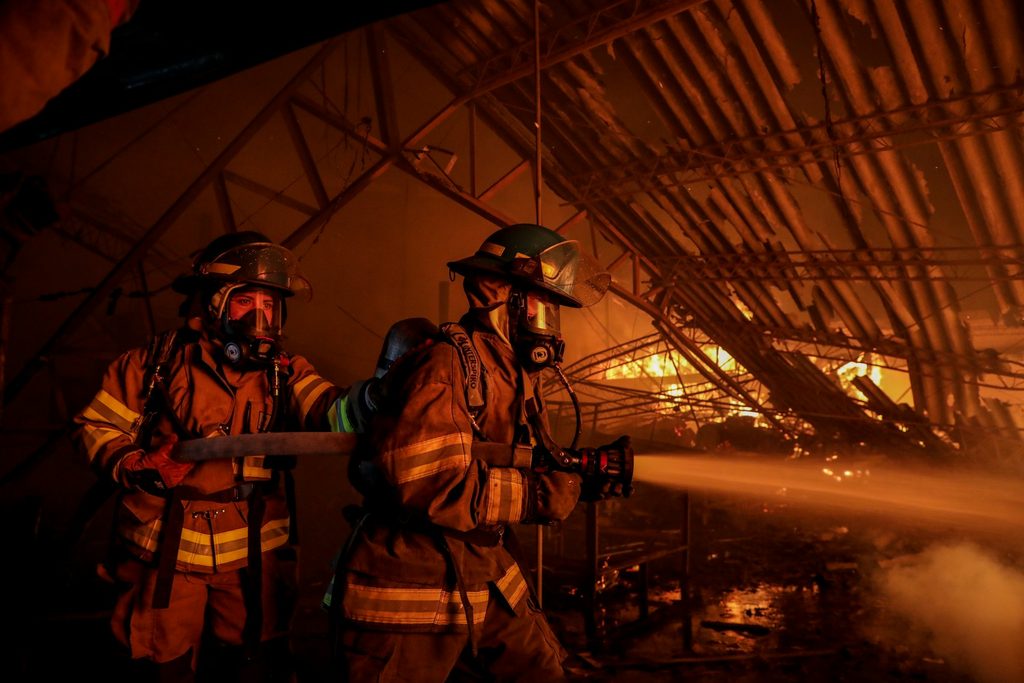
Everyone pictures the burned part of a house after a fire. Fewer people picture what it took to put the fire out. A hose line moves hundreds of gallons of water through a building in minutes, and all of that water has to go somewhere. It goes into ceilings, down wall cavities, under flooring, and into every room on the floors below.
That water is part of your fire loss, and it is one of the most commonly underpaid pieces of the claim. The burn damage is obvious. The water damage is quiet, and by the time it becomes obvious, the estimate has usually been written.
Why The Water Is Part Of The Fire Claim
Fire policies generally treat water used to fight the fire as damage caused by the fire. That matters because it means the loss is covered as part of the fire claim, even though standard policies exclude some kinds of water damage. It also means the water does not need to come from a burst pipe or a storm to count.
The same logic usually applies in multi unit buildings. If the fire department soaked your apartment to stop a fire in the unit next door, the damage to your home is generally covered under your own policy, even though you never saw a flame. The details depend on the policy, but the starting point is that firefighting water is a fire related loss.
Where The Water Actually Goes
A fire on an upper floor sends water straight down. It soaks the floor under the fire, drips through to the ceiling below, and keeps moving through light fixtures, vents, and the gaps around pipes. By the time the fire is out, the rooms that never burned can be as wet as the room that did.
Water also gets trapped. Insulation holds it like a sponge. Wall cavities fill and stay damp behind drywall that looks fine on the surface. Subfloors and the space under hardwood hold moisture long after the surface seems dry. Firefighters also open walls and ceilings to check for hidden fire, which exposes more material to water and creates more repair work that belongs in the claim.
Why Insurers Underestimate It
The first adjuster visit usually focuses on what burned. The estimate gets built around the fire damage, and the water gets treated as a side effect that will dry on its own. That assumption is where the money disappears.
Common gaps include no moisture readings at all, drying scoped only for the burned room, wet insulation left in place, and no allowance for the soaked rooms below or beside the fire. There is also a timing problem. If drying is delayed while the claim is argued, the water damage gets worse, and the insurer may argue that the extra damage came from the delay.

What Gets Missed
| Area | What To Look For |
|---|---|
| Ceilings below the fire | Staining, sagging, or soft drywall, even if the room did not burn |
| Wall cavities | Dampness behind intact drywall, especially on shared walls |
| Insulation | Soaked material that will not dry and needs to come out |
| Subfloor and flooring | Cupping, swelling, or a soft feel underfoot |
| Electrical and fixtures | Water inside outlets, boxes, and ceiling lights |
| Basement or lower units | Water that traveled down through floors and shafts |
| Contents | Wet furniture, boxes, and stored items on lower floors |
Smoke And Water Together Make It Worse
Soot and water together leave a residue that is harder to clean than either one alone. Wet soot spreads, stains, and soaks into porous materials. That is one more reason the cleaning versus replacing decision on smoke damage deserves attention in a fire that was also put out with water, and why an estimate that treats the two as separate small problems tends to come in low.
The Mold Problem Nobody Mentions
Mold is the long term risk, and the clock is short. According to FEMA, mold can begin to grow within 24 to 48 hours of moisture exposure. Fire loss properties are often empty for days while the claim is opened, contractors are chosen, and approvals are slowly worked out. During that time, wet materials sit in closed up buildings.
If the drying is incomplete, mold appears weeks later in a wall or under a floor that was never fully dried. At that point the insurer may argue that the mold is separate from the fire, or that it came from inadequate drying instead of the original loss. The way to get ahead of that argument is documentation, which is why moisture records matter so much. The FEMA mold guidance at fema.gov explains what property owners should understand about moisture and mold after water exposure.
How To Document The Water
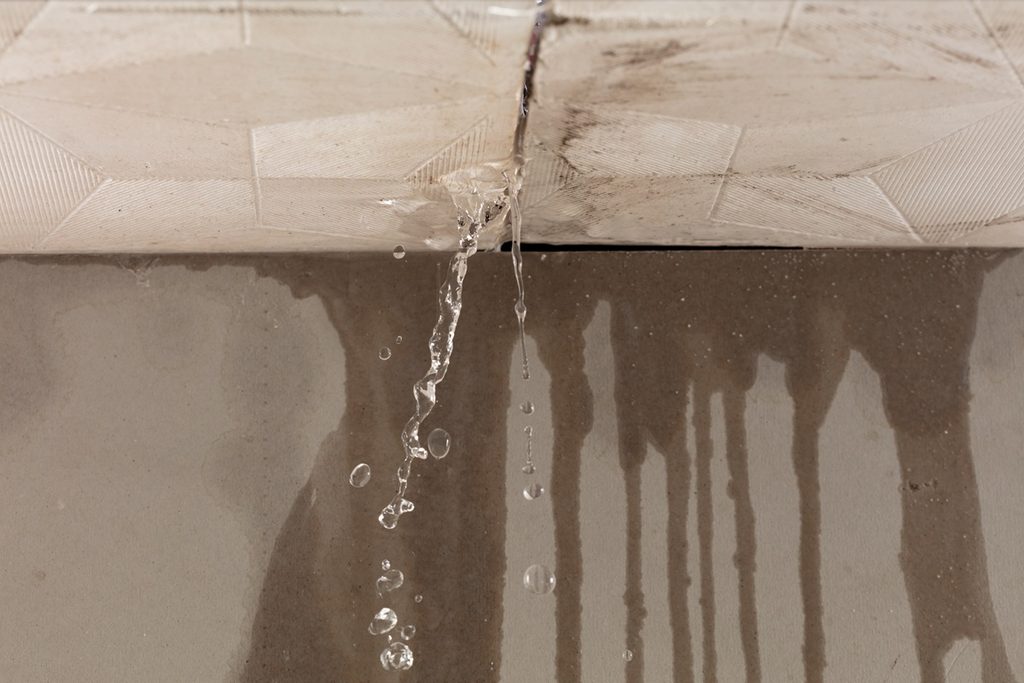
Photograph every wet surface before anything is removed, including ceilings and walls in rooms that did not burn. Note the date and time. Keep a record of any dripping or standing water you see on your first visit.
Ask the restoration company for moisture readings and daily drying logs, and keep copies. Those records show when each area reached an acceptable dry level and make it harder to argue later that the drying was incomplete. If the insurer will not authorize drying quickly, put your request in writing, take reasonable steps to protect the property, and keep receipts, since policies require you to limit further damage.
Do not let anyone close up walls or ceilings until you know what is behind them. If an area is sealed and painted while still damp, the problem is hidden, and so is the evidence.
Getting Water Into The Scope
Ask the adjuster to show you in writing how the water damage was evaluated. Was moisture mapped in every affected room, including the ones that did not burn? Was insulation inspected? Was drying scoped for the whole affected area or only the room with the fire?
If the answers are unclear, a restoration contractor you hired yourself, not one the insurer recommended, can map the moisture and put a scope and a price on the drying. That gives you something solid to compare against the insurer’s estimate.
Mold deserves its own line in the claim. If it has appeared or you suspect it, a licensed inspector’s written report that ties it to the original fire and the water used to put it out is the strongest evidence you can bring. Submit it while the claim is still open, before anything is signed.
When The Estimate Ignores The Water
A fire estimate that prices the burn and skips the soaked rooms is incomplete. It is also fixable, as long as the documentation is in place and the claim is still open. If the water damage in your fire claim looks smaller on paper than it is in your home, ask us to review the water portion of your fire estimate. We work with property owners across all five NYC boroughs and throughout New York, New Jersey, Connecticut, and Pennsylvania. No upfront cost, no fee unless we recover more than what you have already been offered.