
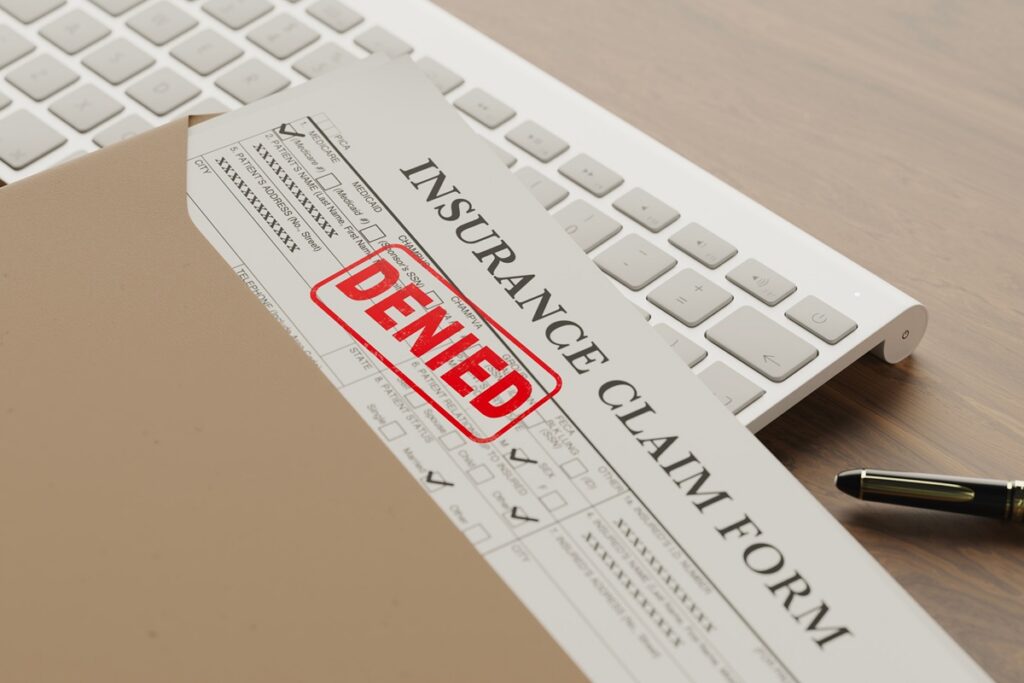
A denial letter from your insurance company is not the end of the conversation. It feels like it is. Official letterhead, specific policy language, a conclusion that reads like a verdict. Most policyholders read it once, accept what it says, and never push back. That is exactly what the insurer is counting on.
The reality is that denials get overturned. Not always, not automatically, but often enough that accepting one without examining the basis for it is a decision that costs policyholders real money. The question is not whether the insurer said no. The question is whether they had a legitimate reason to.
Read The Denial Letter And The Full Policy
The first thing to understand is that a denial letter is required by New York law to state the specific policy provision being cited as the reason for the denial. That provision is what gets examined. Not the conclusion, not the tone of the letter, not the adjuster’s opinion of what happened. The specific language the insurer is relying on to say your loss is not covered. Read it. Then read it again in the context of the full policy document, not the summary sheet — the actual policy with all its endorsements and riders. Provisions that look airtight in isolation sometimes look very different when you see the definition section, the exclusion exceptions, or the endorsements that modify the base policy language.
Assess The Investigation That Preceded The Denial
New York law requires a reasonable investigation before a denial can be issued. What counts as reasonable depends on the facts, but a denial that follows a thirty minute walkthrough by an adjuster who did not open walls, did not consult experts, and did not review the relevant records is a denial built on a foundation that can be challenged. The investigation matters as much as the conclusion it produced. If the investigation was inadequate, the denial is vulnerable.
Submit A Formal Written Rebuttal
What you do with that information depends on the specific situation. In most cases the right move is a formal written rebuttal that documents specifically why the cited exclusion does not apply to the facts of your loss, what evidence the investigation missed, and what a more thorough review would find. That rebuttal goes to the insurer in writing with a request for reconsideration. Everything in writing, everything documented, everything copied and saved.
File A Complaint With The New York DFS
Filing a complaint with the New York State Department of Financial Services runs parallel to that process and costs nothing. The DFS regulates insurers in New York and has the authority to compel a response. A complaint does not automatically reverse a denial but it creates a formal record and sometimes produces movement from an insurer that has been unresponsive to direct challenges. Thirty minutes to file, potentially significant impact on how quickly the insurer engages.

Watch The Clock
The timeline is something most people do not think about until it is too late. New York law gives policyholders two years from the date of loss to bring legal action against an insurer. Some policies shorten that to twelve months. The clock does not pause while you are working through an informal challenge. If the denial is recent, you have time to work through the process deliberately. If it has been sitting for a while, the urgency is real.
How A Public Adjuster Handles A Denial
A public adjuster approaches a denial the same way they approach an underpaid settlement. Independent documentation, formal rebuttal, direct negotiation with the insurer. For denials that also involve potential bad faith, the public adjuster handles the claim side while an attorney handles the legal dimension. The two tracks run simultaneously and each one strengthens the other.
Most people who push back on a denial do better than people who accept it. That is not a guarantee, and not every denial can be overturned. But the insurer’s first answer is not always their best answer, and a denial letter is not a final verdict unless you treat it like one.
If your New York property damage claim was denied and you are not confident the denial reflects what your policy actually says, find out if your denial can be reversed. We handle denied claims across all five NYC boroughs and throughout New York, New Jersey, Connecticut, and Pennsylvania. No upfront cost, no fee unless we get you a better outcome than the denial you received.