
Sewage in your basement is not a water damage claim. That is the first thing most New York property owners find out after a backup, usually from an insurance adjuster who is explaining why the standard policy does not apply.
The exclusion exists in virtually every homeowner and dwelling policy written in this state. Sewer and drain backup is not a covered peril under standard coverage. It requires a separate endorsement, sometimes called a water backup rider, and if you never specifically added it, you do not have it. That is the conversation nobody has with their insurance broker until something backs up through the floor drain.
Before writing the loss off entirely though, actually read the declarations page. A meaningful number of property owners have the endorsement and genuinely do not know it. It was added at some point, the premium went up slightly, nobody noticed, and it has been sitting there unused. It takes ten minutes to find out, and it is worth ten minutes before assuming you are on your own.
What The Endorsement Actually Covers
If the endorsement exists, the next thing to understand is that it almost certainly has a sublimit substantially lower than the main policy. Five thousand to twenty-five thousand dollars is typical in New York. On a serious backup event, particularly in a multi-family building or a commercial property where remediation costs are significant and contents losses are substantial, that limit gets consumed fast. Knowing what the actual number is before the claim gets built tells you what the realistic recovery looks like.
Why Sewage Backup Claims Are Different
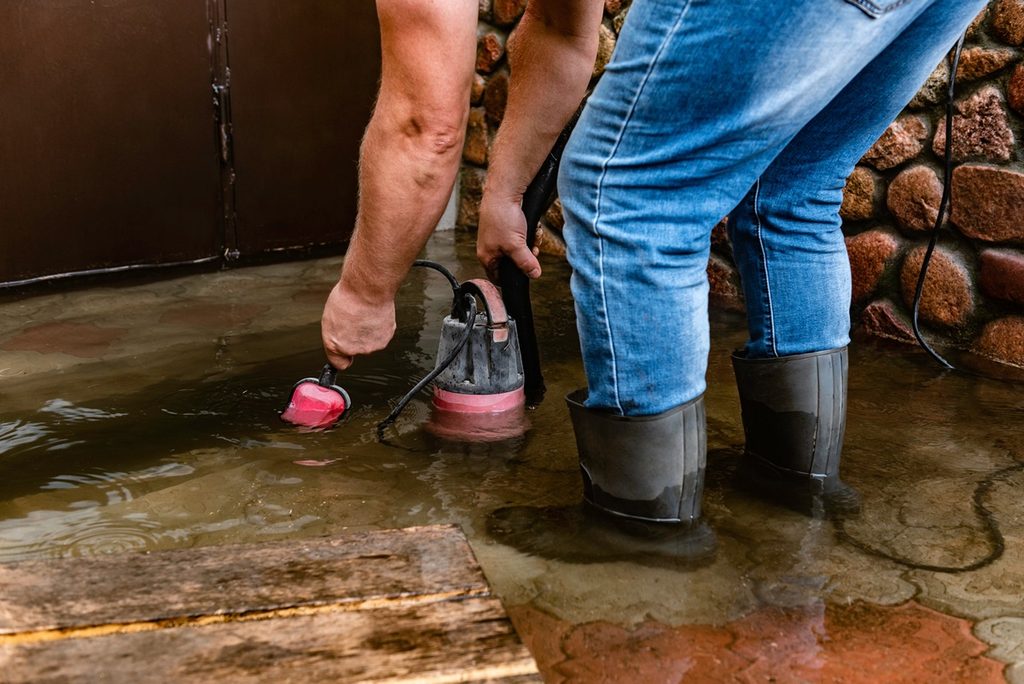
The contamination category is what makes sewage backup claims fundamentally different from a burst pipe or a roof leak. Water from a sewer backup is black water, meaning it contains pathogens and biological material that require professional remediation rather than standard water damage drying. The scope of work is larger, the timeline is longer, the contractor costs are higher, and all of it belongs in the claim. Insurers who price the remediation component of a sewage backup claim using the same rates they would apply to clean water damage are applying the wrong standard. That is a disputable position and it is worth disputing.
Contents that were reached by sewage contamination are almost always total losses. The distinction between an item that can be cleaned and restored versus one that has to be replaced because it absorbed contaminated water is not always how insurers price a contents loss in their initial estimate. Standard depreciation schedules applied to items that are total losses because of what they were exposed to produce settlements that do not reflect what the policy actually owes.
Multi-Unit Buildings And Overlapping Policies
In New York City’s dense multi-unit buildings, a sewage backup rarely affects just one unit. Ground floor commercial tenants, basement storage areas, and lower residential units can all be affected by a single backup event, with multiple policies in play simultaneously. The building owner’s policy, a commercial tenant’s policy, individual unit owner policies, and potentially a landlord policy all have different responses to the same loss event. How those layers interact and how losses get allocated between them is a claims situation that is genuinely complex and that building management will not sort out on your behalf.
When The Cause Gets Disputed
Tree root infiltration into aging sewer lines is a common cause of backups in New York’s older urban infrastructure, and it creates a complication that insurers will use when they can. If the cause of the backup can be characterized as a pre-existing condition rather than a sudden event, the insurer has an argument for denial even when the endorsement exists. A licensed plumber’s assessment of the cause and the evidence for whether the root infiltration was a sudden failure versus a long-developing problem is the documentation that either supports or counters that argument.
Municipal sewer overflow during a heavy storm event creates its own coverage question. When an overwhelmed city sewer system pushes back through private drain lines, the cause of the backup is external rather than internal, and some insurers will try to characterize that as a flood event rather than a sewer backup. Those are two different coverage categories with different policies attached, and the distinction matters enormously for a property owner who has a water backup endorsement but no separate flood policy. How the cause gets documented and how it gets characterized in the claim filing affects which coverage responds.
| Scenario | Typically Covered | Typically Not Covered |
|---|---|---|
| Backup with water backup endorsement | Cleanup, remediation, contents, structural damage up to sublimit | Losses exceeding the endorsement sublimit |
| Backup without endorsement | Nothing from the backup itself | All sewage backup losses |
| Storm-related backup with wind damage | Storm damage component under standard policy | Sewage backup component without endorsement |
| Municipal overflow mischaracterized as flood | Sewer backup endorsement if properly documented | Flood category if no separate flood policy exists |
| Mold resulting from backup | If tied to covered event and remediated promptly | Delayed remediation or pre-existing mold |
| Contents destroyed by sewage contamination | Personal property coverage up to limits | Items exceeding policy limits |
The Mold Risk Nobody Warns You About
According to FEMA, mold colonies begin forming within 24 to 48 hours of excessive moisture exposure, and sewage contaminated moisture accelerates that process because the biological content of the water creates conditions where mold establishes itself faster than in a clean water event. A backup that is remediated but not fully dried, or a claim that closes before the full drying process is confirmed, creates the setup for a mold dispute months later that is harder to win because the connection to the original covered event has to be proven all over again. The FEMA mold guidance at fema.gov is worth reading for anyone managing post-backup moisture concerns.

What To Document Before Cleanup Begins
Document everything before cleanup begins. Standing sewage, affected areas, damaged contents, the drain or fixture the backup came through. That documentation is the foundation of the claim. Once professional remediation starts, the visual record disappears and the claim has to be reconstructed from contractor reports rather than from what was actually there.
| What To Document | Why It Matters |
|---|---|
| Standing sewage before cleanup begins | Establishes scope and contamination level |
| All affected areas including walls and flooring | Captures full extent before remediation starts |
| Damaged contents with identifying information | Supports contents loss calculation |
| Cause of backup with plumber’s written report | Counters pre-existing condition argument |
| Remediation contractor reports and moisture readings | Documents completion of drying and decontamination |
| Mold if present before remediation begins | Ties mold to covered event before remediation starts |
If your sewage backup claim was denied because the endorsement was misapplied, because the remediation scope was underestimated, or because the backup was mischaracterized as a flood event, see how we handle water damage and backup claims. We serve all five NYC boroughs and throughout New York, New Jersey, Connecticut, and Pennsylvania. No upfront cost, no fee unless we recover more than what you have already been offered.